Ashwagandha for Stress and Sleep: Short Trials, Different Extracts, and Long-Term Unknowns
Compare ashwagandha stress and sleep trials with NIH safety guidance on extract variability, liver injury, thyroid effects, and interactions.

Some standardized ashwagandha extracts improved self-reported stress or sleep in short trials, but formulations differ and long-term safety remains uncertain.
The name does not identify one product
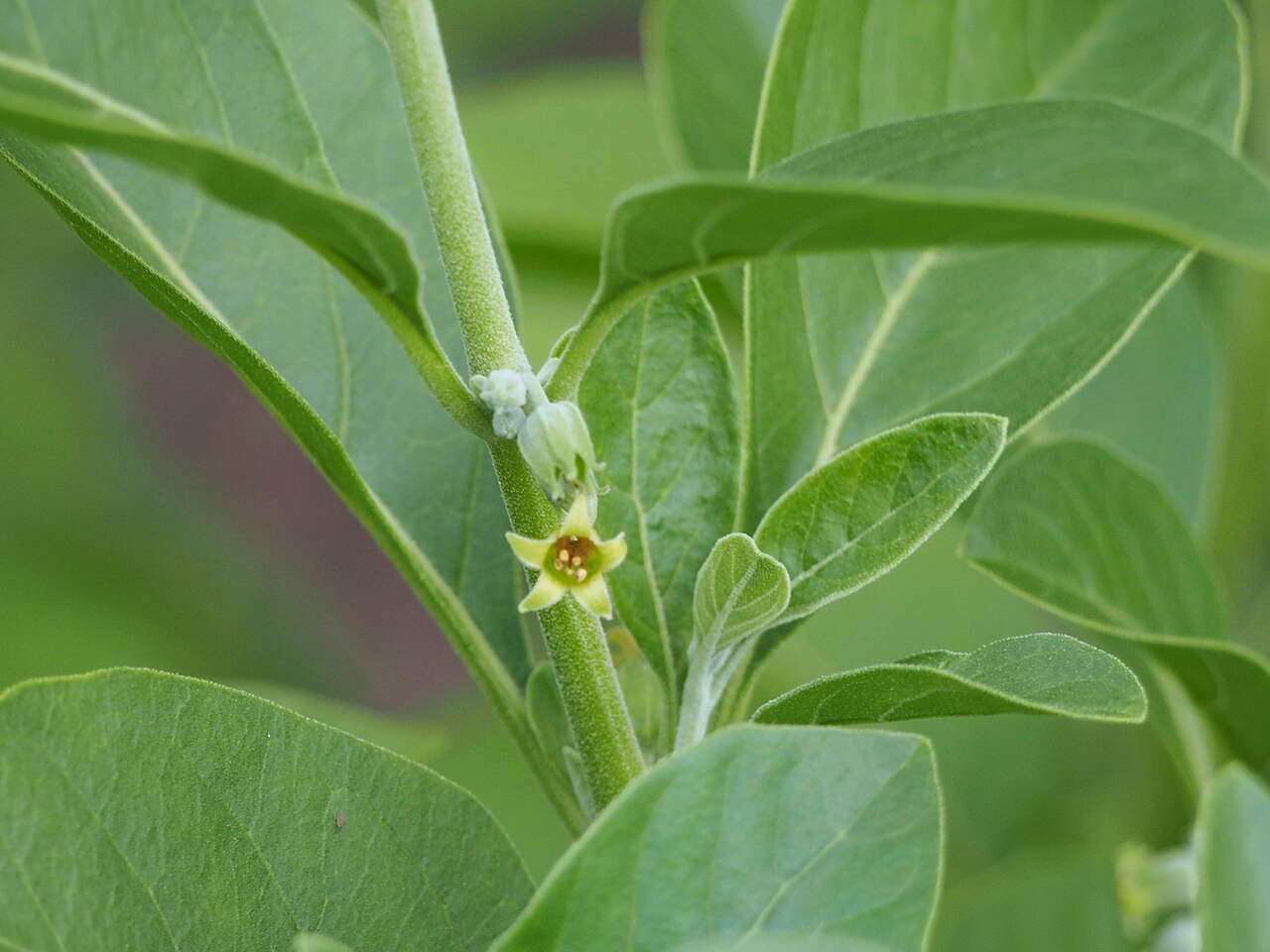
Ashwagandha supplements may use root, root-and-leaf material, water extracts, alcohol extracts, sustained-release preparations, or proprietary concentrates standardized to different withanolide amounts. Two bottles with the same herb name can therefore deliver substantially different exposures.
That variability makes citation matching essential. A trial of one branded extract at 300 milligrams cannot validate every powder, gummy, or tea. The plant amount, extraction ratio, withanolide standardization, dose frequency, and study duration all influence whether a comparison is reasonable.

Stress trials are promising but usually small
Several randomized, placebo-controlled trials in adults with self-reported stress found improvements on perceived-stress scales and, in some cases, lower cortisol with standardized extracts. One eight-week study compared 125 and 300 milligrams twice daily with placebo in 60 adults and reported dose-related changes.
A newer 60-day trial tested sustained-release doses of 150 or 300 milligrams against placebo and assessed stress, sleep, well-being, eating behavior, and cortisol. Such trials support a possible short-term effect, but subjective outcomes, modest sample sizes, proprietary funding, and multiple endpoints can limit certainty.
Sleep findings need endpoint clarity
Some trials report better Pittsburgh Sleep Quality Index scores or longer sleep, while others focus on stressed adults rather than people with diagnosed insomnia. Improved questionnaire scores are meaningful to participants but do not establish treatment for sleep apnea, restless legs, circadian disorders, or chronic insomnia.
A 2026 trial compared ashwagandha, melatonin, their combination, and placebo over eight weeks. Even a favorable comparison would apply to those preparations and adults ages 18 to 50, not every user. Sleep claims should identify whether outcomes were self-reported, wearable-derived, or measured by polysomnography.
NIH safety guidance is cautious
NCCIH and ODS state that ashwagandha appears reasonably tolerated for up to about three months, while long-term safety is unknown. Common effects include stomach upset, loose stools, nausea, and drowsiness. Rare liver-injury reports have been linked to ashwagandha products.
Stop using the product and seek medical advice for jaundice, dark urine, severe itching, unusual fatigue, or persistent abdominal symptoms. Product contamination or undisclosed ingredients can also complicate a case, so retain the bottle and lot information.
Thyroid, pregnancy, and medicine concerns
Ashwagandha may affect thyroid function, and case reports describe thyrotoxicosis resolving after discontinuation. People with thyroid disease or thyroid-hormone treatment should not self-experiment based on an adaptogen claim. Monitoring needs depend on the individual and product.
NCCIH advises avoiding ashwagandha during pregnancy and breastfeeding and around surgery. Potential interactions include sedatives, anticonvulsants, immunosuppressants, diabetes medicines, blood-pressure medicines, and thyroid hormone. Autoimmune disease and hormone-sensitive prostate cancer also require caution.
A careful way to judge a product
Start with the goal: transient perceived stress, sleep quality, or a diagnosed disorder. Compare the exact extract and dose with a relevant trial, and decide in advance how benefit and adverse effects will be assessed. Do not combine several sedating products without professional review.
Ashwagandha is not proven to protect the heart by lowering cortisol, and a stress score is not a cardiovascular endpoint. The evidence supports cautious short-term interest in selected extracts, paired with transparent safety limits—not a universal adaptogen promise or indefinite daily use.
Stress relief is not a substitute for diagnosis
Persistent insomnia, panic, depression, trauma symptoms, loud snoring, witnessed breathing pauses, or severe daytime sleepiness deserve appropriate assessment. A supplement trial in otherwise healthy stressed adults does not establish treatment for these conditions.
Behavioral sleep therapy, regular wake timing, light exposure, exercise, workload changes, and evidence-based mental-health care may address causes that a capsule cannot. A short supplement trial should have a defined stop point and should not delay care when symptoms impair safety, work, relationships, or physical health. Track bedtime, wake time, awakenings, daytime function, and adverse effects rather than relying on a general impression. If benefit disappears when routine factors are controlled, increasing the dose may add risk without solving the underlying problem. Long-term daily use remains outside the strongest safety evidence. Avoid driving or hazardous work if the product causes morning sedation, slowed reaction time, or dizziness, and never combine it casually with alcohol or sleep medicines.
Sources & further reading
This article provides educational information. Ask a qualified clinician or pharmacist about your symptoms, medical conditions, medicines and supplement interactions.