Choline Supplements and TMAO: A Heart-Risk Marker Is Not a Simple Verdict
Choline supplements can raise TMAO, but food form, gut microbes, and kidney function complicate the heart-risk story. Here is how to read the evidence.
Free-choline supplements can raise TMAO more than some food forms, but an elevated marker does not prove that a specific dose causes cardiovascular disease in a healthy person.
Choline is essential, and TMAO is only one pathway
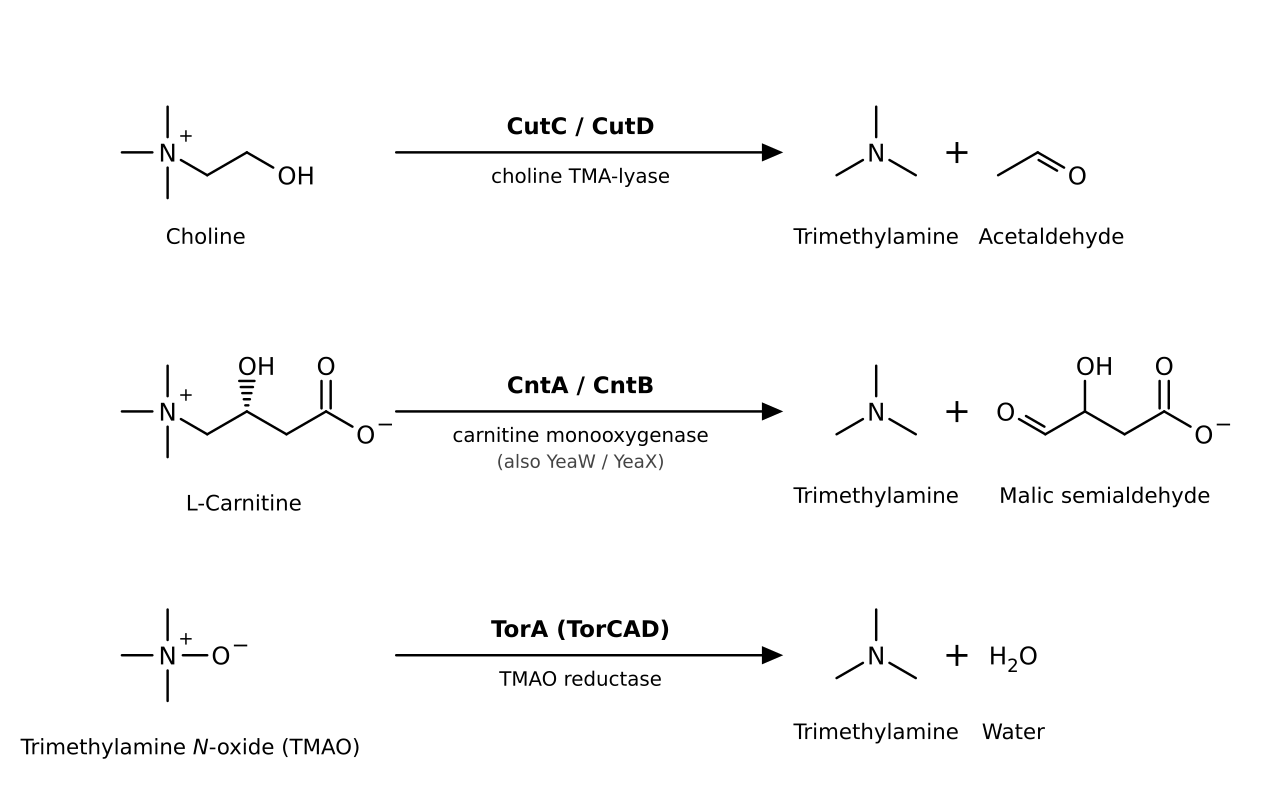
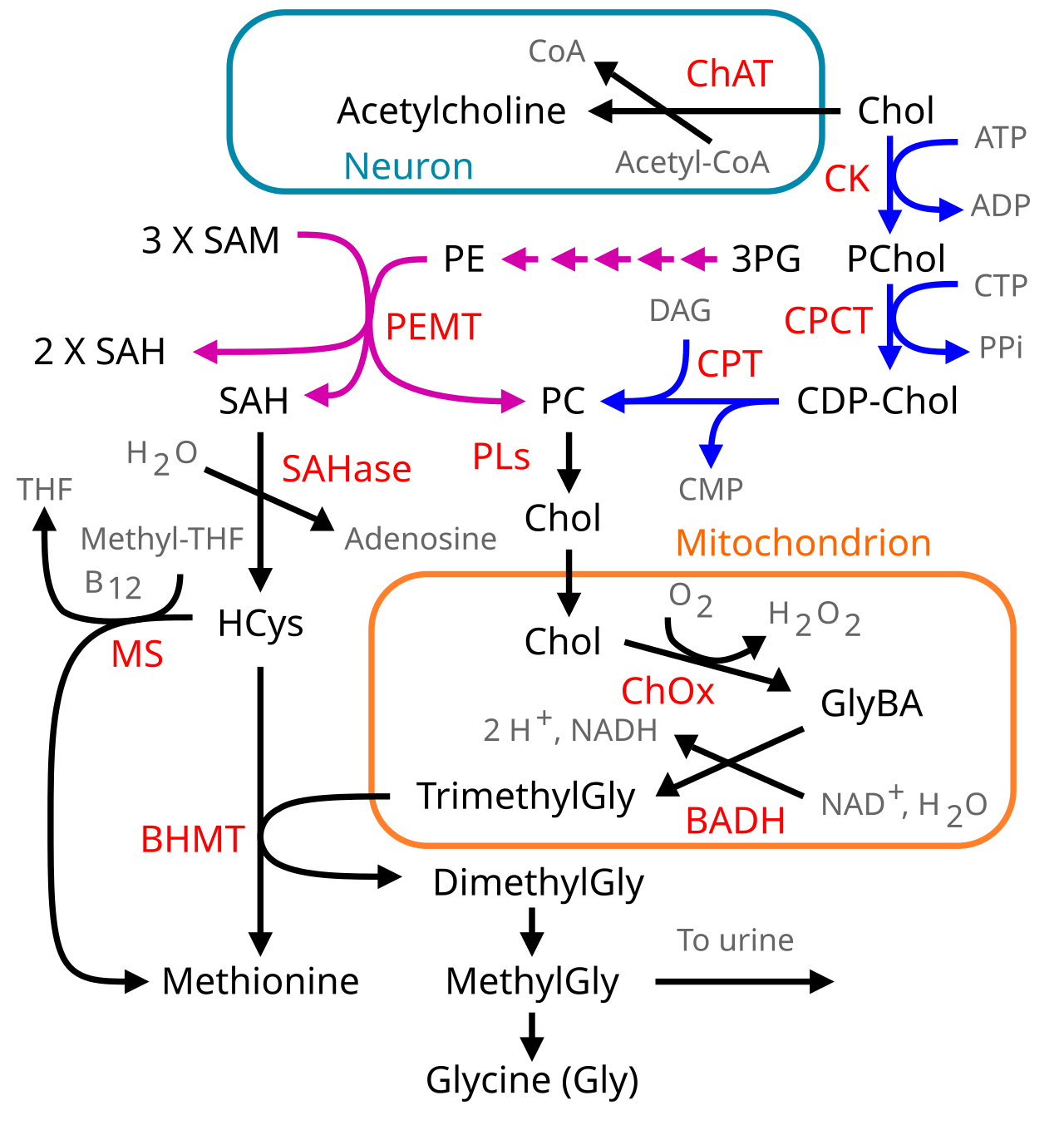
Choline helps build cell membranes, make acetylcholine, and move fat from the liver. The body can make some, but not always enough, which is why choline is an essential nutrient. Gut bacteria can also convert certain choline forms into trimethylamine, or TMA. The liver then oxidizes TMA into trimethylamine N-oxide, better known as TMAO.
Higher blood TMAO often tracks with cardiovascular risk, but interpretation is difficult. Kidney function strongly affects TMAO clearance, diet changes production, and gut microbial communities differ. A risk marker can reflect disease, contribute to disease, or both. Observational association alone cannot tell a supplement user exactly what will happen from one serving.
A human challenge study established microbial involvement
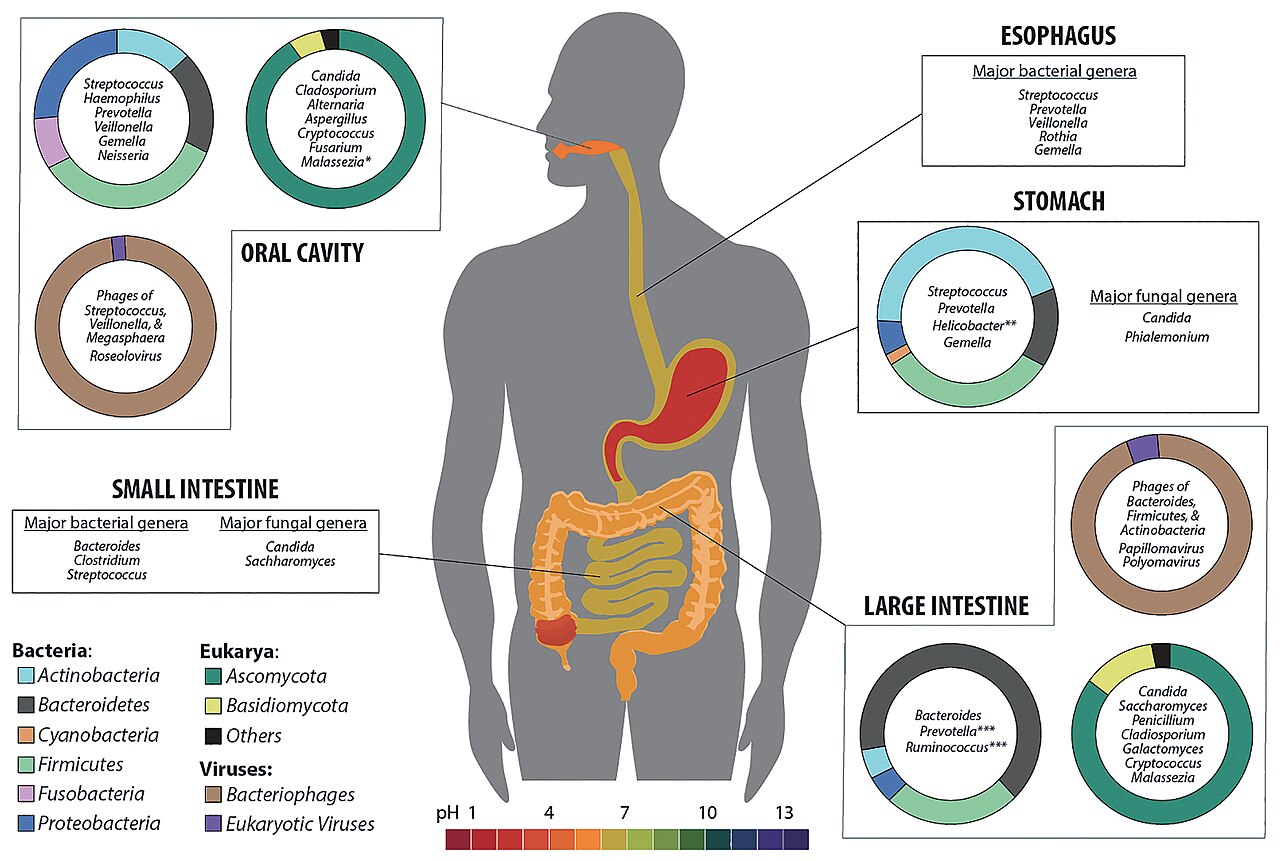
In a landmark human study, participants consumed eggs plus labeled phosphatidylcholine. TMAO rose, then was markedly suppressed after broad-spectrum antibiotics and returned after the antibiotics stopped. In a separate cohort of patients undergoing coronary angiography, higher fasting TMAO predicted more cardiovascular events. The work connected diet, microbes, and risk but did not randomize people to years of choline supplementation.
That distinction matters. Antibiotics were a research tool, not a TMAO treatment, and long-term antibiotic use would be unsafe and disruptive. The event analysis was observational and involved a higher-risk clinical population. It supports careful study of the pathway without proving that normal choline foods or every supplement cause cardiovascular harm.
Choline form changes the TMAO response
A randomized crossover study in 37 healthy men compared meals with choline bitartrate, phosphatidylcholine, or no added choline. Choline bitartrate produced a much larger TMAO response, while phosphatidylcholine did not significantly differ from control. People also separated into higher and lower producers based partly on their gut microbiota. The chemical form and the person both mattered.
Another randomized trial found that choline supplements raised fasting TMAO while eggs did not in participants with normal kidney function. That does not make eggs a free-food verdict or choline bitartrate a proven cardiac toxin. It shows why milligrams of total choline do not capture the complete exposure and why food findings should not be copied onto concentrated supplements.
Avoiding all choline creates a different problem
Low choline intake can contribute to liver and muscle problems, and needs rise in pregnancy because choline supports fetal development. The answer is not to eliminate eggs, fish, soy, beans, or other choline foods based on a biomarker headline. Dietary patterns influence cardiovascular risk through many pathways, including LDL cholesterol, fiber, sodium, and overall energy balance.
Supplement need is more specific. Prenatal care, documented low intake, certain medical nutrition plans, or clinician guidance may justify one. For a healthy adult taking a high-dose product without a clear goal, the TMAO evidence is a reason to review the dose and form—not proof of imminent harm.
Make the decision around need, dose, and kidney function
Read the Supplement Facts panel for the choline form and amount. Add food and multivitamin sources before assuming more is better. People with kidney disease or high cardiovascular risk should discuss supplements with a clinician because both nutrient needs and TMAO handling may differ. Do not use antibiotics, probiotics, or extreme diets as do-it-yourself TMAO treatments.
If choline was recommended for a clear reason, ask whether the dose is still necessary and whether food can meet part of the goal. If it was added for vague brain or liver support, reconsidering concentrated intake is reasonable. The most accurate takeaway is not choline is bad. It is that microbial metabolism makes supplement form and context unusually important.
Routine TMAO testing is not a standard stand-alone screening tool for deciding whether to eat eggs or take a prenatal vitamin. Results can be difficult to interpret without kidney function, diet, and clinical risk. Familiar measures—LDL cholesterol, blood pressure, glucose, smoking, activity, and family history—remain more actionable. A novel marker should add context, not distract from established prevention work.
Sources & further reading
- Intestinal microbial metabolism of phosphatidylcholine and cardiovascular risk ↗
- Effect of Choline Forms and Gut Microbiota Composition on Trimethylamine-N-Oxide Response in Healthy Men ↗
- Dietary Choline Supplements, but Not Eggs, Raise Fasting TMAO Levels in Participants with Normal Renal Function: A Randomized Clinical Trial ↗
- Choline Fact Sheet for Health Professionals ↗