Erectile Dysfunction Can Be a Cardiovascular Clue: What to Check Before Treatment
ED can appear alongside vascular risk factors. Learn what prospective studies found, which symptoms need urgent care, and why screening matters before treatment.
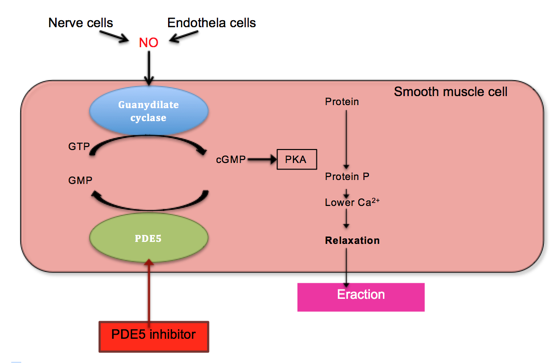
New or persistent ED can be a prompt to review blood pressure, lipids, diabetes, smoking, medications, and exercise safety—not proof that heart disease is already present.
A bedroom symptom can reveal a broader circulation issue
An erection depends on healthy blood inflow, nerve signals, smooth-muscle relaxation, and restricted venous outflow. Diabetes, high blood pressure, smoking, high LDL, medication effects, low testosterone, pelvic surgery, anxiety, and relationship factors can all disrupt that system. Because penile arteries are small, vascular dysfunction may become noticeable there before symptoms appear elsewhere.
That makes erectile dysfunction a clue, not a diagnosis. Many men with ED will not have an imminent heart event, and psychological or medication-related causes are common. The useful response is neither panic nor dismissal. It is a targeted review of cardiovascular risk and sexual-health factors, especially when the change is new, persistent, or occurs with exertional symptoms.

Prospective studies found higher later risk
In the placebo arm of the Prostate Cancer Prevention Trial, men were followed for ED and cardiovascular events. After adjustment, incident ED was associated with a higher rate of subsequent cardiovascular events. The association was similar in scale to some established risk markers. Because this was an observational analysis within a trial cohort, it could not prove ED itself caused the events.
A prespecified substudy of ONTARGET and TRANSCEND also found that ED predicted death and a composite of cardiovascular outcomes among men already at high cardiovascular risk. The treatment assignments did not explain the association. Together, these studies support using ED as a reason to assess risk factors, while age, diabetes, blood pressure, and existing disease still shape the individual picture.
The basic checkup is practical, not exotic
A clinician may review blood pressure, fasting lipids, glucose or A1c, smoking, weight, activity, sleep apnea symptoms, medication use, and family history. Testosterone testing is most useful when symptoms or examination suggest deficiency and should be measured correctly, usually in the morning. A complete medication list matters because antidepressants, blood pressure drugs, opioids, and other treatments can affect sexual function.
Chest pressure, unusual shortness of breath, fainting, or marked exercise intolerance deserves attention before sexual activity or ED treatment. Sexual activity is moderate physical exertion for many people. Someone who cannot safely tolerate similar exertion should be evaluated rather than using a pill to push past a warning sign.
Prescription ED medicines have a crucial nitrate rule
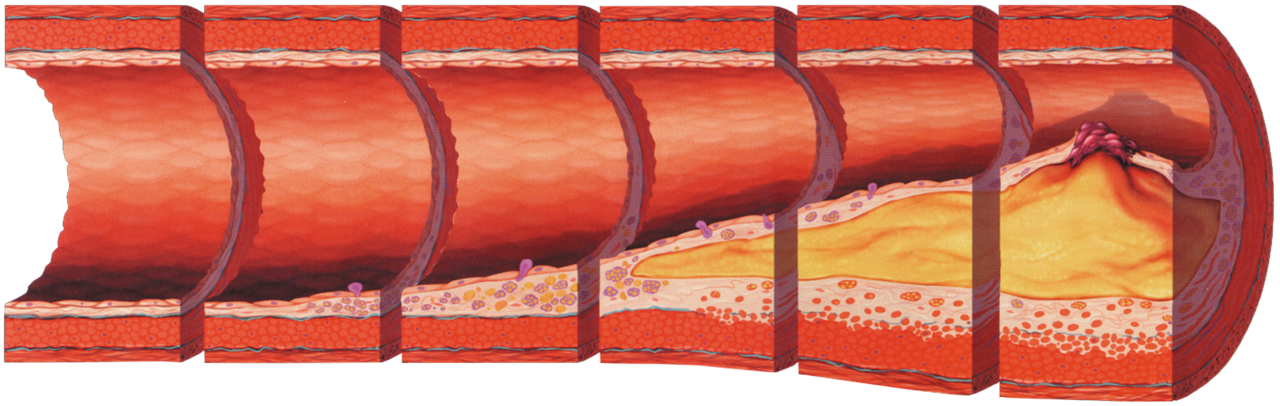
Sildenafil and tadalafil are phosphodiesterase-5 inhibitors that improve the nitric oxide–cGMP erection pathway when sexual stimulation occurs. They are approved prescription medicines, not aphrodisiac supplements, and they do not create desire by themselves. Headache, flushing, nasal congestion, indigestion, and blood pressure effects are common considerations, while sudden vision or hearing changes require urgent advice.
They must not be combined with nitrate medicines such as nitroglycerin because the blood pressure drop can be dangerous. Riociguat is another contraindicated combination. Alpha blockers, low baseline pressure, kidney or liver disease, and several interacting medicines need clinician review. A prescription decision should therefore use an honest health history, not only a preference for a dose.
Online access should still include the whole health picture
Total Male Rx currently presents online assessment for prescription sildenafil and tadalafil, with clinician review required and fulfillment only if approved. That convenience can reduce friction, but it should not shrink the medical story. The intake needs accurate nitrate, blood pressure, heart symptom, medication, and state-eligibility information; a telehealth service is not the same as an over-the-counter supplement.
Use ED as an opening for better care: address smoking, activity, sleep, diabetes control, blood pressure, and lipids while discussing symptom-focused treatment. Seek urgent care for an erection lasting more than four hours or for chest pain during sexual activity. The best outcome is not merely obtaining medication—it is treating the symptom safely while catching modifiable risk that might otherwise stay hidden.
Do not borrow another person’s prescription or combine ED medicines with unlisted enhancement products. Some products sold for sexual performance have contained hidden drug ingredients, making blood pressure and interaction risks impossible to judge from the label. If a prescribed dose is not working, report timing, meals, stimulation, and side effects to the clinician instead of escalating on your own.