Fish Oil Labels: Compare EPA and DHA, Not Just the Number on the Front
Learn how to compare fish oil labels, serving sizes, EPA and DHA amounts, extra vitamins, and clinical claims without confusing oil weight with active content.

The amount of fish oil is not the same as its EPA and DHA content, and a more concentrated label does not alone establish a better clinical outcome.
The largest number may not be the useful one
A fish oil bottle may display a prominent quantity on its front panel while listing smaller EPA and DHA amounts elsewhere. These figures can describe different things. Total oil weight includes constituents beyond the two long-chain omega-3 fatty acids most often discussed in cardiovascular research.
NIH ODS notes that supplement formulations vary widely and advises checking labels for the types and amounts of omega-3s. That makes the detailed panel the starting point for comparison. Before deciding that one bottle offers more than another, identify what each number measures and whether it describes one capsule or a complete serving.
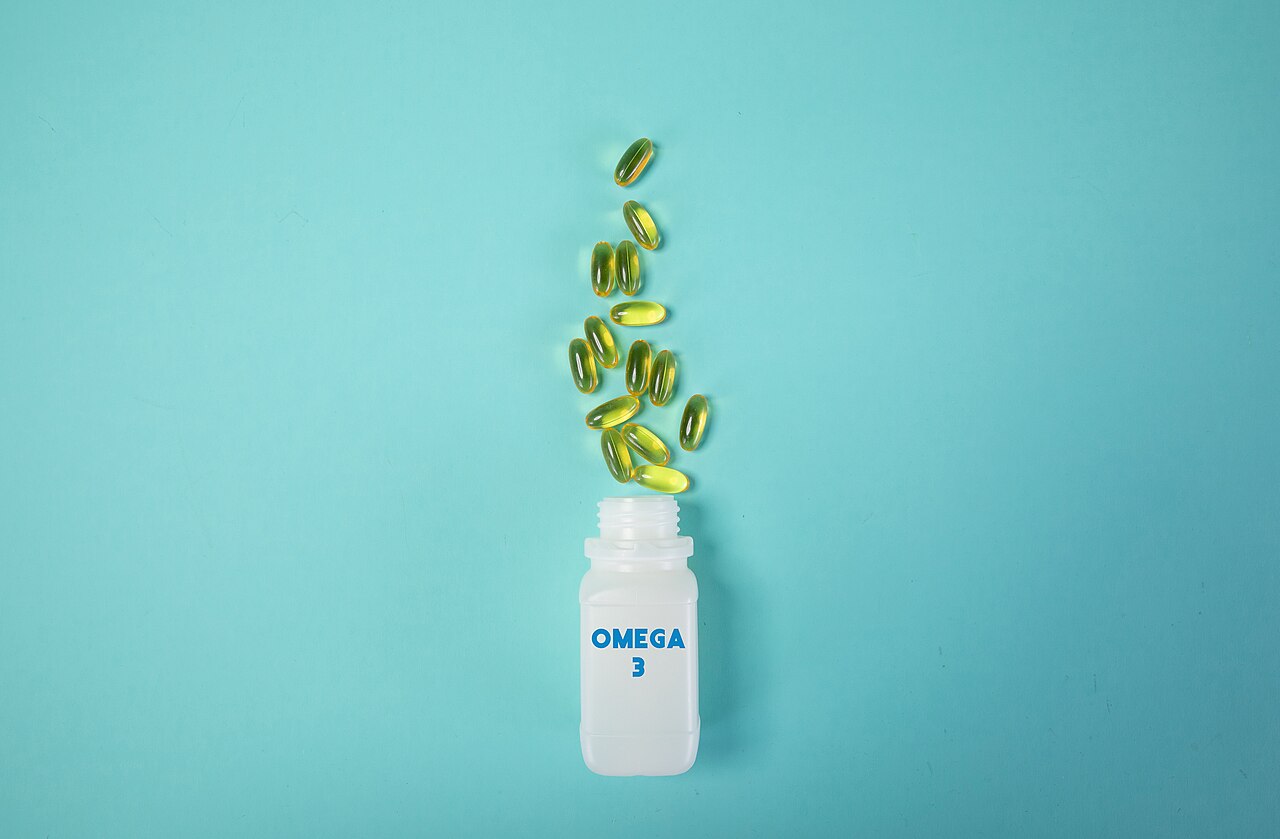
Use the same denominator for both products
A serving may contain one softgel, several softgels, or a measured liquid quantity. Comparing a per-capsule amount with another product's per-serving amount creates a misleading ranking. The same problem affects price comparisons if the number of servings differs from the number of capsules.
Write down the daily serving described by each label, then record EPA, DHA, and the total number of servings per container. Calculate cost using that actual serving. This is a product comparison rather than a dosing recommendation. The amount appropriate for an individual depends on the reason for use, the formulation, and the clinical context, which a label alone cannot determine.
The source can add other nutrients
Fish oil, krill oil, cod liver oil, and algal oil belong to a broad omega-3 market, but they are not identical products. ODS explains that cod liver oil can also provide vitamins A and D. Those additional nutrients matter when someone already uses a multivitamin or separate vitamin products.
An algae-derived product may appeal to someone who avoids fish, while allergies or dietary preferences can shape other choices. These are practical differences, separate from evidence that a product prevents cardiovascular events. Compare the full composition rather than assuming that a different source or a premium price establishes a superior heart health outcome.
Match the label to the cited research
A study of a specific prescription formulation should identify the preparation and participants involved. Its findings do not automatically apply to a retail supplement merely because both contain omega-3s. NCCIH and ODS describe cardiovascular evidence in terms of distinct trials, products, and populations.
When a sales page cites a study, compare the formulation with the bottle being sold. Also check whether the outcome was a triglyceride change or a cardiovascular event. Those are different questions. A detailed label helps reveal what the product contains, but it cannot bridge an unsupported leap from a different preparation's evidence to a broad promise for every buyer.

Quality and safety are separate from concentration
Information about independent testing may help assess identity, purity, or other manufacturing characteristics. It does not prove that a particular serving improves a health outcome. Likewise, a high concentration describes composition rather than establishing a reason to take the product.
Discuss supplements with a clinician or pharmacist when medicines or a cardiovascular condition are involved. ODS describes adverse effects, possible interactions, and safety findings from trials using higher-dose preparations. Do not assume a concentrated product should be used in a larger amount to obtain faster results. The complete label is useful information to bring into an individualized discussion.
A comparison that answers a real question
A useful side-by-side record includes serving size, EPA, DHA, extra vitamins, relevant allergens, storage directions, price per serving, and the evidence behind any specific claim. It should also state the intended purpose. Comparing products without a purpose can lead to buying the largest number rather than solving a defined nutritional or clinical question.
Reading labels carefully cannot guarantee a health benefit, but it can remove avoidable confusion. The practical conclusion is precise: compare like quantities, distinguish composition from clinical outcomes, and keep the product's actual evidence attached. A prominent oil amount is a marketing detail until the rest of the label explains what it represents.
Sources & further reading
This article provides educational information. Ask a qualified clinician or pharmacist about your symptoms, medical conditions, medicines and supplement interactions.