Hawthorn for Heart Failure: Why Modern Trials Do Not Support Replacing Standard Care
Review HERB-CHF and SPICE trial findings, standardized hawthorn extracts, symptom claims, adverse events, and heart-failure medication concerns.
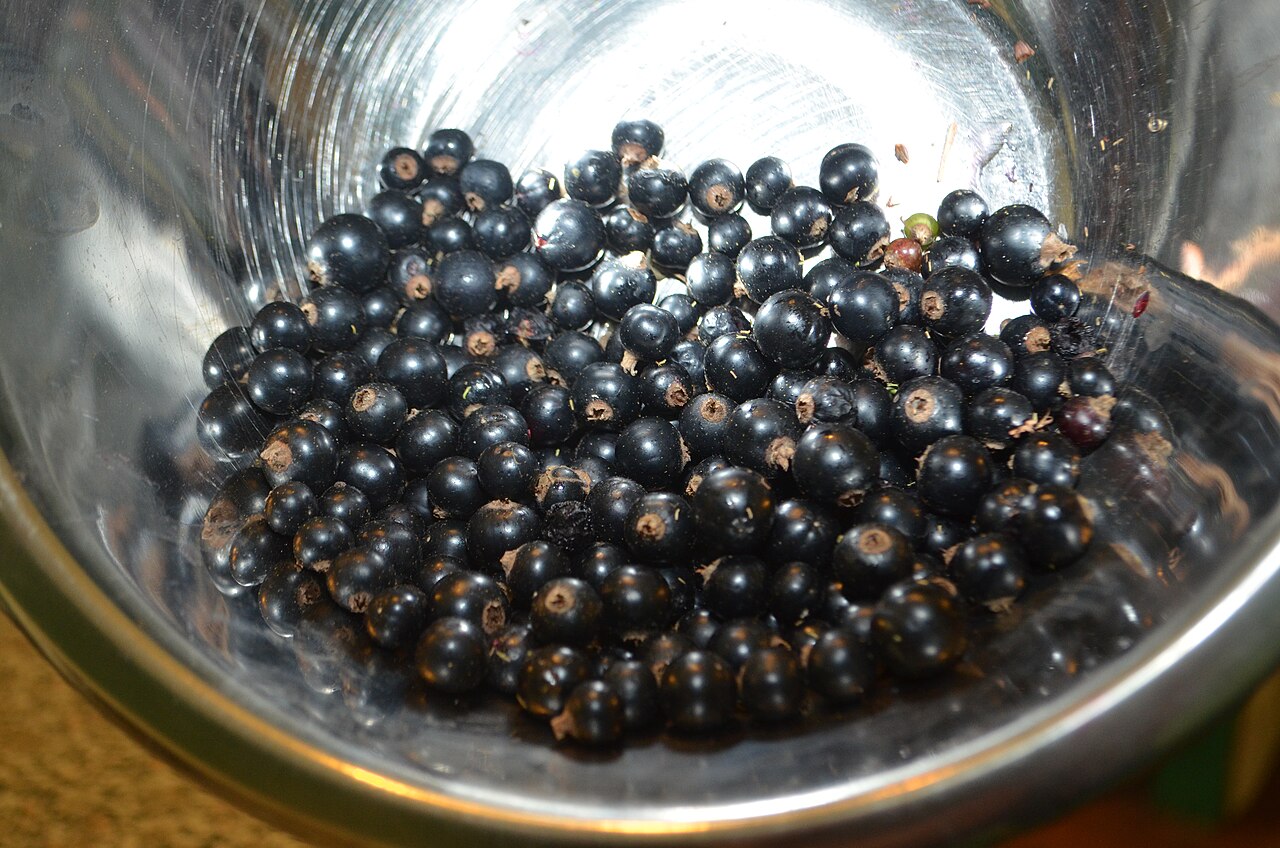
Standardized hawthorn extracts have not shown clear added symptomatic or outcome benefit in modern heart-failure trials and should not replace proven therapy.
Traditional use is not modern outcome evidence
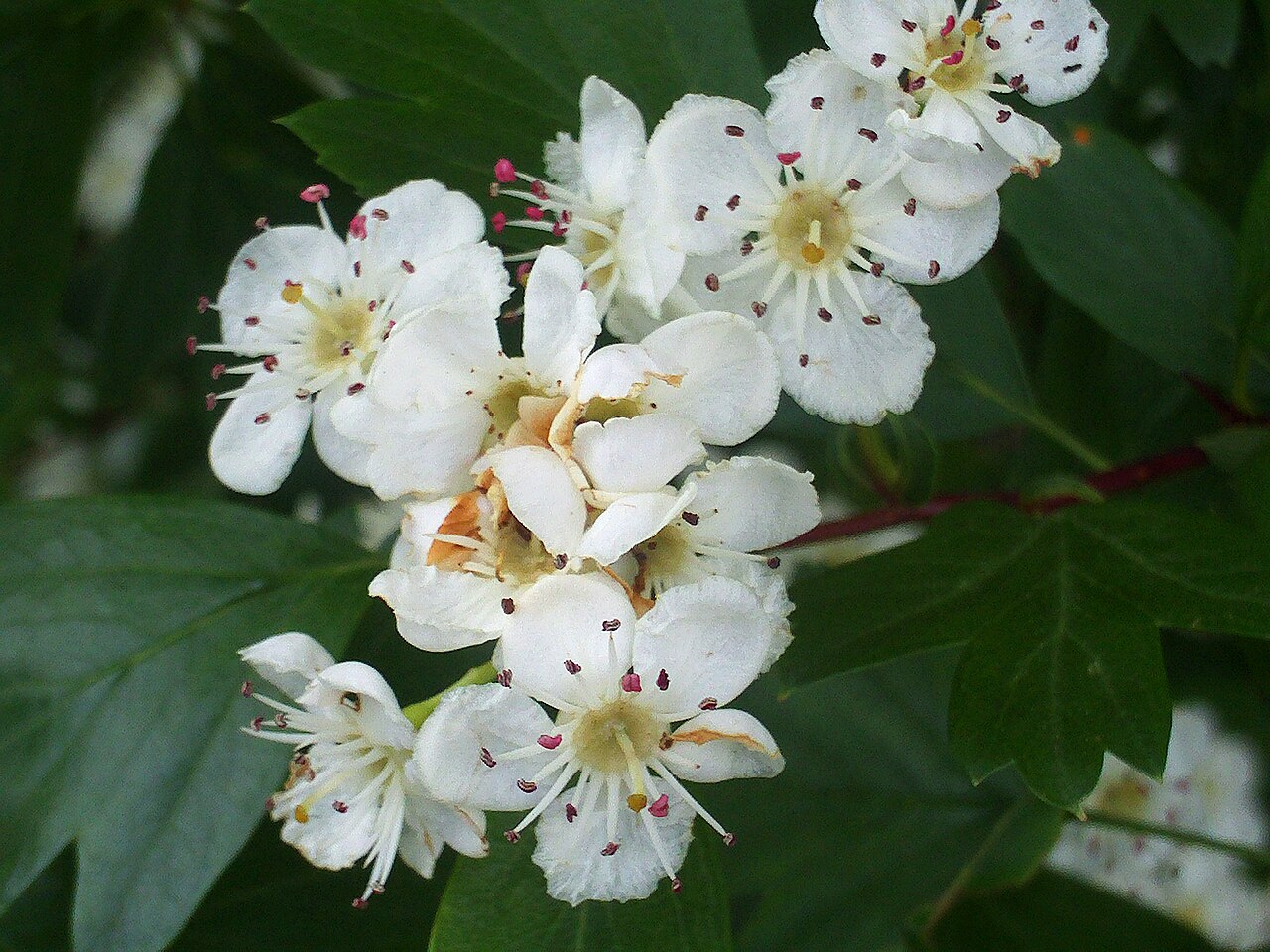
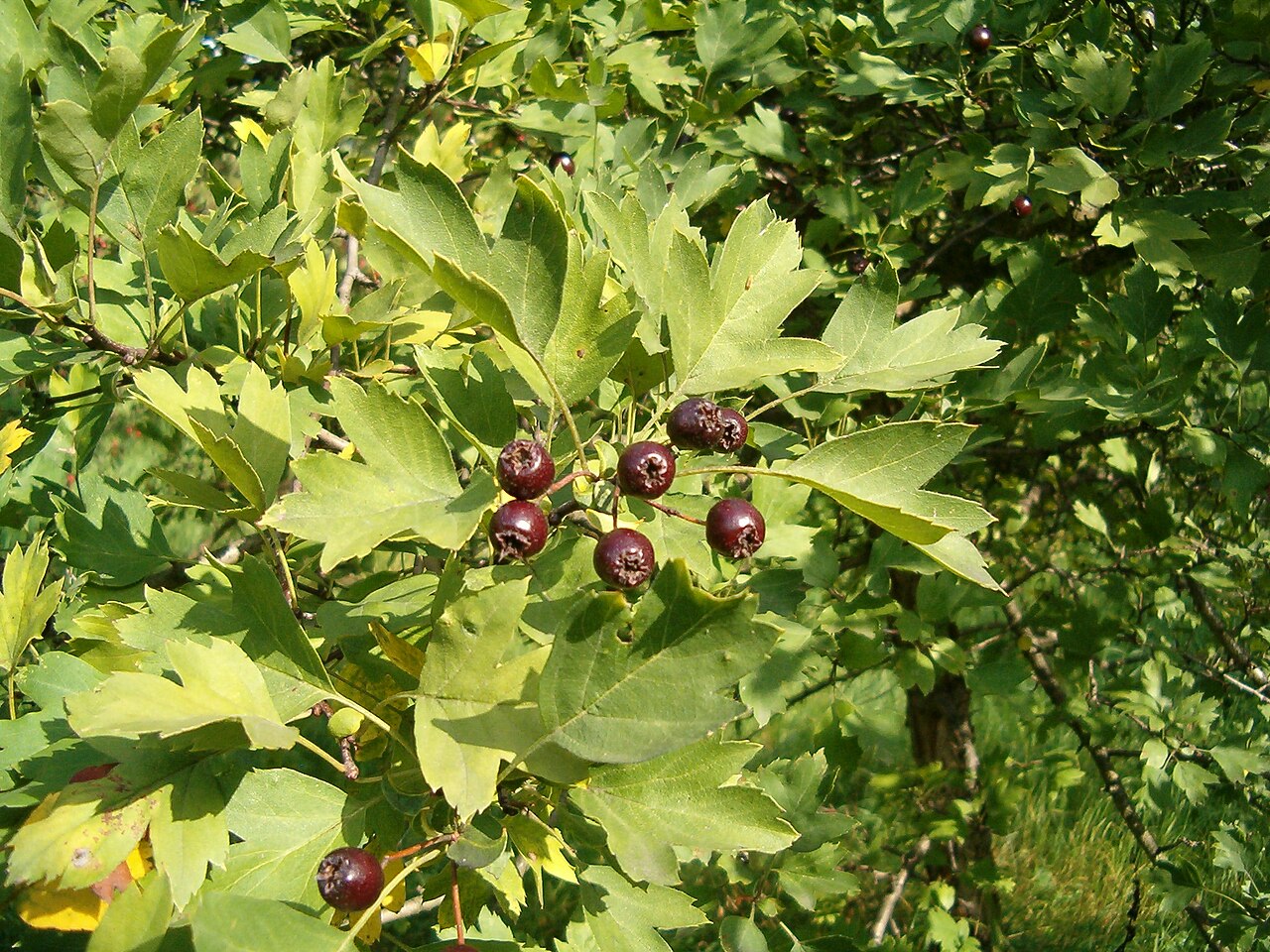
Hawthorn products use Crataegus leaves, flowers, or berries and may be sold as teas, tinctures, capsules, or standardized extracts. Historical use and laboratory effects on blood vessels or heart contraction can justify study, but they cannot establish benefit in heart failure, a condition with substantial hospitalization and mortality risk.
Extracts vary by species, plant part, solvent, and marker compounds. Results from a proprietary standardized extract cannot be assigned to every berry powder or tea. This formulation problem is especially important when a product is taken alongside several cardiovascular medicines.
HERB-CHF found no functional benefit
The NIH-supported HERB-CHF trial randomized 120 adults with NYHA class II or III heart failure to hawthorn extract or placebo for six months in addition to conventional therapy. The primary outcome was change in six-minute walk distance. Hawthorn did not improve walking distance, quality of life, functional capacity, neurohormones, or inflammatory measures.
A small ejection-fraction difference favored hawthorn, but the broader clinical measures were neutral and adverse events were reported more often in the hawthorn group, though most were noncardiac. A seller should not elevate one secondary imaging result above the failed primary functional endpoint.
SPICE addressed events in a larger population
SPICE enrolled more than 2,600 adults with reduced-ejection-fraction heart failure and tested standardized WS 1442 extract against placebo for up to two years. The primary composite of cardiac mortality, nonfatal myocardial infarction, and hospitalization for progressive heart failure was not significantly reduced.
A secondary analysis suggested fewer sudden cardiac deaths in a subgroup with less impaired ejection fraction, but subgroup findings require caution. They do not overturn the neutral primary result or establish a general indication. The tested extract also cannot validate unstandardized retail products.
Heart-failure treatment has changed
Contemporary guideline-directed therapy includes combinations of medicines that reduce hospitalization and death. Trials conducted under earlier treatment patterns may not reflect today’s background care. Any add-on supplement must demonstrate benefit and safety alongside the current regimen, not merely against outdated or incomplete treatment.
Heart-failure symptoms can worsen quickly. Increasing shortness of breath, rapid weight gain, swelling, chest pain, fainting, or new confusion requires prompt medical guidance. Trying hawthorn or increasing a dose should never delay assessment of decompensation.
Interactions and product quality
Hawthorn may affect blood pressure and cardiac function, creating potential interaction concerns with digoxin, nitrates, antihypertensives, and other cardiovascular medicines. Evidence about specific combinations is incomplete. A pharmacist should review the exact extract, dose, and full medication list before use.
Independent testing can help confirm identity or contaminants, but it cannot prove heart-failure benefit. Terms such as heart tonic, circulation support, or clinically studied may imply more than the product’s evidence. Check whether the exact formulation and outcome match the cited trial.
The responsible conclusion
HERB-CHF and SPICE do not support presenting hawthorn as a replacement for standard heart-failure treatment. At most, they leave narrower research questions about specific extracts and subgroups. Those questions belong in adequately powered trials, not in unsupervised consumer experimentation.
People with heart failure should discuss every botanical product with their cardiology team and continue prescribed therapy unless the prescriber changes it. The higher the clinical stakes, the less acceptable it is to substitute mechanism, tradition, or a secondary signal for a successful patient-important endpoint.
Why symptom testimonials are unreliable
Heart-failure symptoms naturally fluctuate with fluid balance, activity, sodium intake, medication adherence, weather, and disease course. Improvement after starting a product may be real to the person yet still unrelated to the supplement. Placebo-controlled trials help separate these influences.
Testimonials also exclude people who stopped because of adverse effects or received no benefit. A standardized walk test, hospitalization endpoint, or mortality analysis is more informative than selected stories. High-stakes products should be judged by systematic follow-up of everyone assigned, not only enthusiastic users. Adjudicated trials also capture worsening disease and hospital care that users may not connect to a supplement. Complete follow-up protects against the false comfort created when only successful experiences are visible.
Sources & further reading
This article provides educational information. Ask a qualified clinician or pharmacist about your symptoms, medical conditions, medicines and supplement interactions.