Saffron for Women’s Sexual Function: Small Trials, Specific Populations, Careful Expectations
Small trials suggest saffron may improve some sexual-function scores in women, but population, extract, dose, and cause of symptoms all matter.
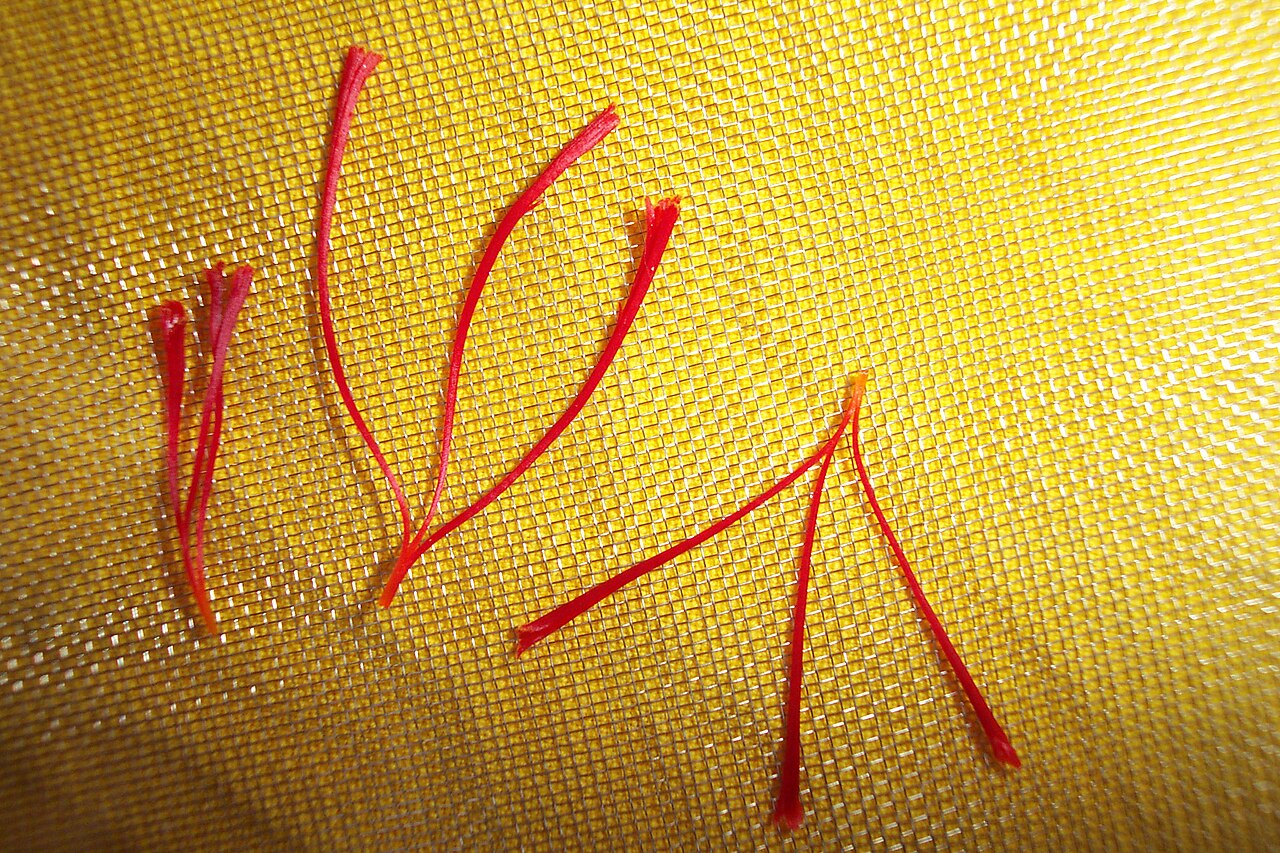
Saffron improved some questionnaire domains in small short trials, but the evidence does not establish a universal libido effect or apply automatically to every gummy or extract.
Sexual function is not one switch
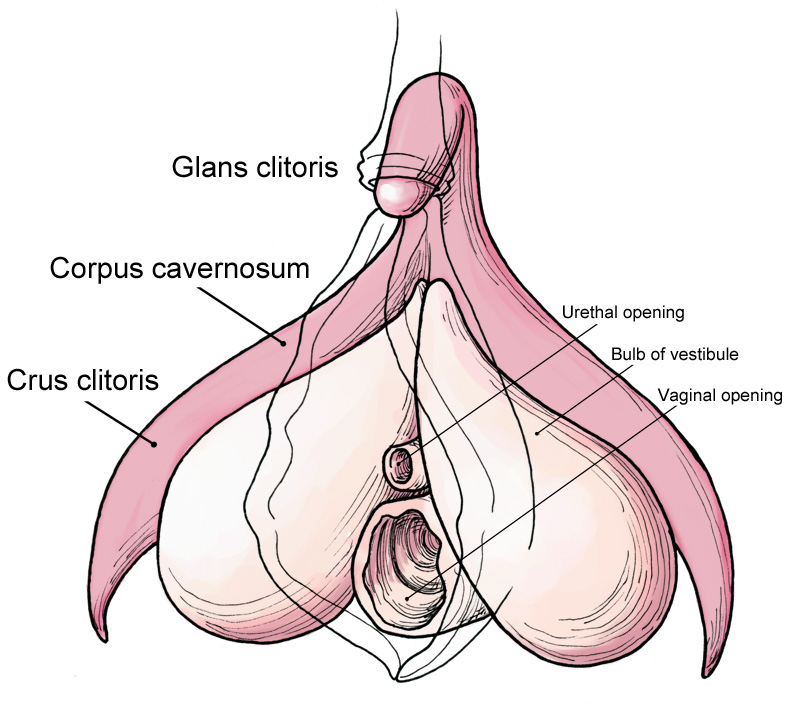
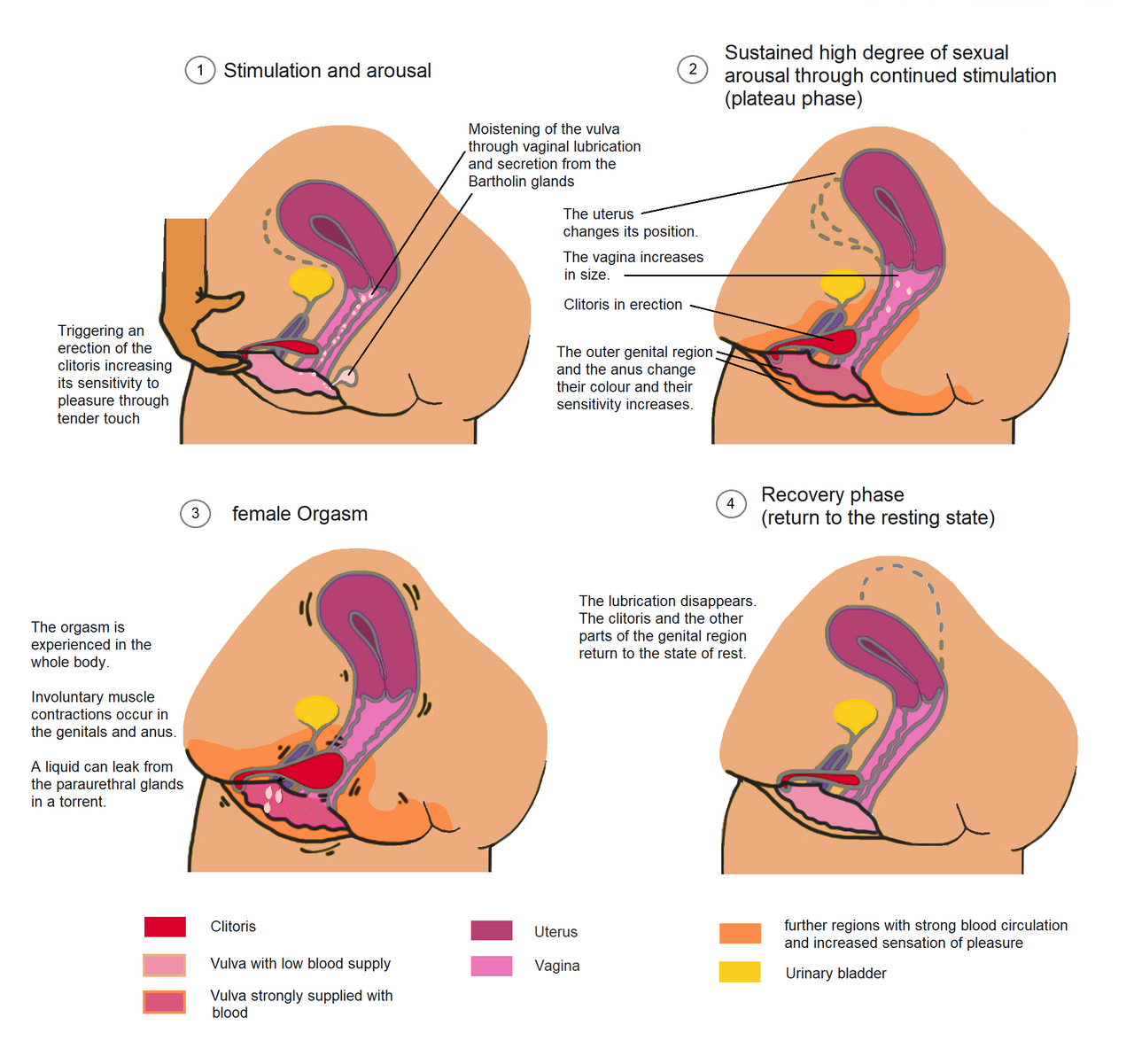
Desire, mental arousal, genital blood flow, lubrication, orgasm, comfort, and satisfaction overlap, but they are not identical. A product may change one questionnaire domain without improving the concern that matters most to a particular woman. That is why a headline saying libido improved can oversimplify a trial that measured several parts of sexual function.
Low desire can relate to menopause, pain, vaginal dryness, depression, stress, relationship context, sleep, illness, or medications—especially some antidepressants. A botanical trial may be relevant to one cause and not another. Before evaluating saffron, define the symptom, its timing, and whether pain, bleeding, or a new medication deserves a clinical review.
One trial studied women taking fluoxetine
A 2013 double-blind trial enrolled 38 women with depression who were stable on fluoxetine and experiencing sexual dysfunction. Participants received saffron or placebo for four weeks. Saffron improved the total Female Sexual Function Index and the arousal, lubrication, and pain domains, but not desire, satisfaction, or orgasm. The small sample and short follow-up limit certainty.
This population matters. Fluoxetine-related sexual dysfunction is not the same as low desire after menopause, pain from a pelvic condition, or relationship distress. The trial suggests a possible option worth further research; it does not show that saffron broadly boosts libido in all women or that any retail saffron product matches the studied preparation.
A larger trial still left uncertainty
A three-center randomized trial enrolled women with severe sexual dysfunction and compared 30 mg saffron daily with placebo for six weeks. Total scores improved over time in both groups, with a borderline treatment difference favoring saffron. Desire, lubrication, and satisfaction were among the domains showing greater improvement. Adverse-event patterns were similar, and the authors called for more robust research.
The study was larger than the fluoxetine trial but still involved fewer than 100 participants and a brief treatment window. Questionnaire changes are meaningful when they reflect lived improvement, yet they do not establish long-term safety, optimal dose, or effectiveness across different causes of low desire. Replication in diverse populations would make the conclusion stronger.
Extract identity matters more than the word saffron
Saffron is the dried stigma of Crocus sativus, and supplements may use powders or extracts with different concentrations of crocin, crocetin, and safranal. Trial results belong to the tested preparation and dose. A gummy, tea, spice serving, and standardized capsule are not interchangeable simply because each mentions saffron.
Saffron can cause adverse effects and may be unsuitable in pregnancy at medicinal doses. Anticoagulants, low blood pressure, allergies, and complex medication use are reasons to ask a clinician or pharmacist before experimenting. Very high doses are not a shortcut to a stronger result. Product quality and accurate labeling matter because saffron is expensive and vulnerable to adulteration.
Use a product reference to ask better questions
Flirty Time by Liva is positioned as a women’s libido gummy. That format may be convenient, but category and dosage form do not tell you whether the finished formula matches a saffron trial. Check the full Supplement Facts panel, ingredient amounts, serving size, recurring-purchase terms, and contraindications; ingredient research is not finished-product outcome evidence.
A practical close starts with the cause. Review pain, dryness, mood, medication timing, sleep, and relationship factors, and seek care for bleeding or persistent pelvic pain. If saffron remains a reasonable option, choose a transparent formula and set a specific goal rather than expecting a universal aphrodisiac effect. Small trials justify curiosity, not guaranteed results.
For antidepressant-related symptoms, do not stop or reduce medication without the prescriber. Options may include adjusting dose, timing, or the medication itself, but relapse risk and mental-health stability come first. For menopause-related dryness or pain, local treatments may address the mechanism more directly than a libido supplement. Matching the intervention to the cause is more useful than treating every concern as low desire.