Cocoa Flavanol Supplements After COSMOS: A Secondary Signal Is Not a Proven Heart Benefit
Read the COSMOS cocoa extract trial accurately, from its neutral primary endpoint to secondary findings, adherence analyses, and product differences.

COSMOS did not significantly reduce its primary cardiovascular endpoint; interesting secondary findings remain hypotheses rather than proof that retail cocoa supplements prevent events.
Why cocoa moved from food to supplement research
Cocoa contains flavanols that can influence vascular biology, and short trials have examined blood pressure, blood flow, and platelet-related measures. Those mechanisms made a larger outcomes trial reasonable. They did not guarantee fewer heart attacks or strokes. A favorable change in a risk factor or laboratory measure is an intermediate result until clinical events are tested directly.
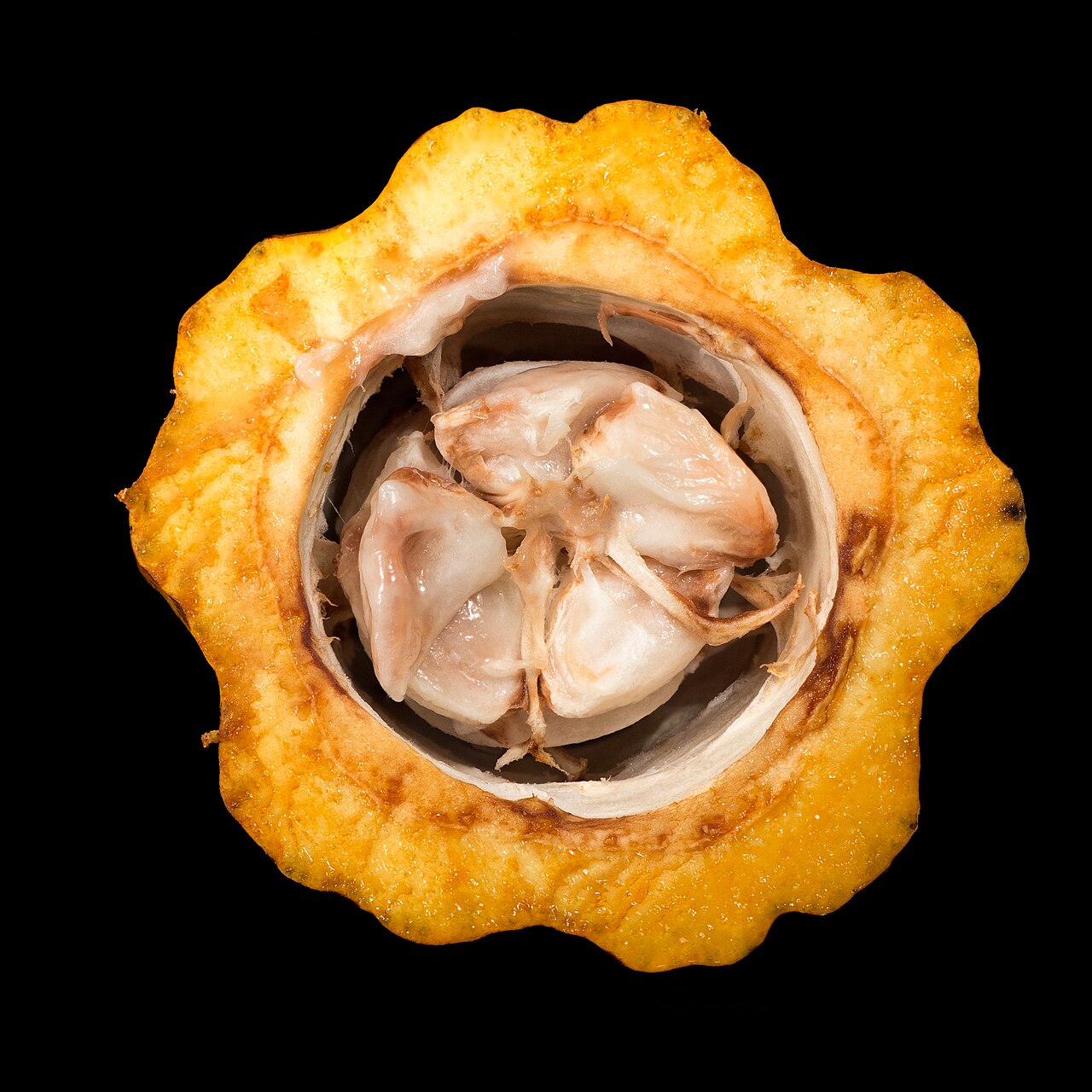
Cocoa products also vary widely. Chocolate may contain sugar, fat, calories, and processing-related differences in flavanol content. An extract capsule is not interchangeable with a candy bar, cocoa powder, or every product labeled dark chocolate. Any claim must stay attached to the formulation and amount actually studied.

The primary COSMOS result
COSMOS randomly assigned 21,442 older U.S. adults to a cocoa extract providing 500 mg of flavanols daily, including 80 mg of epicatechin, or placebo. The primary composite included myocardial infarction, stroke, cardiovascular death, revascularization, unstable angina, carotid artery surgery, and peripheral artery surgery. After a median 3.6 years, the hazard ratio was 0.90.
The 95% confidence interval was 0.78 to 1.02 and the P value was 0.11, so the primary intention-to-treat analysis was not statistically significant. That is the result that should lead a summary. Saying the supplement prevented cardiovascular disease because the point estimate was below 1 leaves out the uncertainty the confidence interval and prespecified analysis were designed to show.
How to read the secondary findings
Cardiovascular death was lower in the cocoa group in a secondary analysis, and a per-protocol analysis that censored participants after nonadherence suggested fewer total events. Both findings are scientifically interesting. Neither has the same evidentiary weight as a successful primary intention-to-treat endpoint. Multiple comparisons increase the chance that at least one secondary result looks favorable.
Per-protocol analyses can also lose part of randomization’s protection because adherence may relate to health, behavior, or follow-up. The investigators appropriately called for additional research. A retail claim that highlights the 27% lower cardiovascular death result while hiding the neutral primary endpoint turns a hypothesis-generating signal into a stronger conclusion than the trial supports.
Long-term blood pressure findings add context
A later COSMOS analysis examined incident hypertension and did not find an overall reduction with long-term cocoa extract supplementation. This does not erase earlier short-term blood-pressure studies; it shows that different endpoints, populations, and durations can yield different answers. A small short-term pressure change should not be assumed to guarantee fewer diagnoses or cardiovascular events years later.
Similarly, a 2015 randomized trial in healthy adults evaluated several cocoa flavanol amounts and durations for blood pressure and vascular measures. Such studies help establish dose-response and safety information, but they are not substitutes for event trials. The full evidence chain should be visible instead of collapsing every vascular measurement into one broad heart-protection claim.
What to compare on a cocoa product
Check the actual flavanol amount, not only total cocoa extract or cocoa powder. Look for the epicatechin amount when relevant, serving size, added stimulants, allergens, and the number of capsules needed. A proprietary blend can make comparison with COSMOS impossible. Independent testing may address identity or contaminants, but it cannot prove a cardiovascular outcome.
People using blood-pressure medicine, anticoagulants, or several supplements should review the complete product with a pharmacist or clinician. Cocoa extracts may also contain caffeine or theobromine. The balanced conclusion is neither that cocoa is useless nor that it prevents heart disease: one large trial produced a neutral primary result and secondary signals that deserve confirmation before becoming consumer promises.
Chocolate is not a dose-matched substitute
A consumer cannot reproduce the COSMOS intervention simply by eating more chocolate. Flavanol content is rarely standardized on candy labels, and added calories, sugar, and saturated fat change the nutritional tradeoff. Dark percentage describes cocoa solids, not a guaranteed research dose.
Conversely, the trial does not show that ordinary cocoa foods are harmful. It answers a narrower question about one standardized extract in older adults. Keeping that boundary clear prevents a neutral supplement trial from becoming either a license for unlimited chocolate or a rejection of cocoa as a food.
Sources & further reading
This article provides educational information. Ask a qualified clinician or pharmacist about your symptoms, medical conditions, medicines and supplement interactions.