Coffee and Heart Rhythm: What CRAVE and DECAF Say—and What They Do Not
Compare randomized coffee studies on premature beats, sleep, activity, and atrial-fibrillation recurrence without universalizing the results.
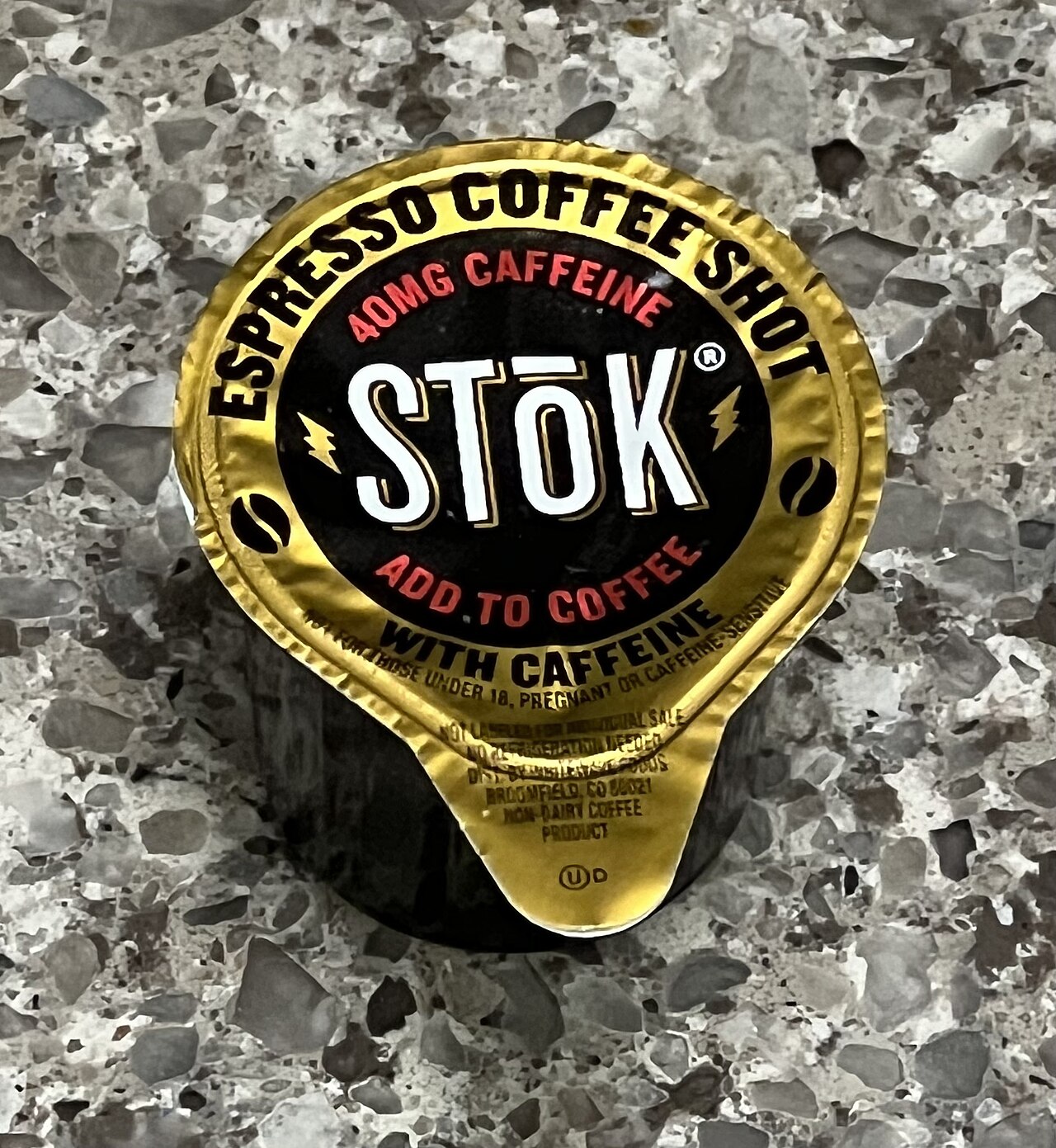
Randomized trials do not support a universal coffee ban for rhythm concerns, but responses vary and one trial found more ventricular premature beats and less sleep.
Coffee is more than caffeine
Coffee contains caffeine plus hundreds of other compounds, and preparation changes exposure. Espresso, drip, instant, cold brew, and unfiltered coffee differ in caffeine, diterpenes, serving size, and additives. A cup in a trial may not resemble a large café drink.
People also metabolize caffeine differently because of genetics, medicines, smoking, pregnancy, and habitual use. A population average cannot determine whether one person experiences palpitations, anxiety, reflux, or insomnia.
CRAVE used a randomized case-crossover design
CRAVE assigned 100 healthy adults to consume or avoid caffeinated coffee on randomly selected days while wearable devices measured rhythm, steps, sleep, and glucose. Coffee did not significantly increase daily premature atrial contractions, the trial’s primary rhythm outcome.
Coffee days had more premature ventricular contractions, more steps, and less sleep. The trial lasted two weeks and enrolled generally healthy volunteers, so it does not establish long-term safety in people with structural heart disease or severe arrhythmias.
DECAF studied people after cardioversion
DECAF randomized 200 current or recent coffee drinkers with persistent atrial fibrillation or flutter undergoing cardioversion to caffeinated coffee consumption or caffeine abstinence. Over six months, recurrence was lower in the coffee group, which averaged about one cup daily.
The trial was open-label, participants already had a history of coffee use, and the abstinence group avoided other caffeine sources as well. The result does not show that nonusers should start coffee, that higher doses are better, or that coffee treats atrial fibrillation.
Different rhythm outcomes can move differently
Premature atrial contractions, premature ventricular contractions, atrial fibrillation, and ventricular tachycardia are not interchangeable. A beverage can have neutral average effects on one rhythm and a different effect on another. Sensation also does not identify the rhythm causing a palpitation.
This is why a headline saying coffee prevents arrhythmia or causes arrhythmia is too broad. The type of rhythm, population, dose, and duration must remain attached to the result.
Sleep may be the more important pathway
CRAVE found shorter sleep on coffee days. Poor sleep can worsen blood pressure, mood, glucose regulation, and perceived palpitations. Even if coffee does not directly trigger atrial fibrillation on average, late timing may create an indirect problem for a sensitive user.
Moving caffeine earlier, reducing the serving, or choosing decaf may preserve enjoyment while improving sleep. Decaf still contains small amounts of caffeine and coffee compounds, so individual testing is more useful than the label alone.
When symptoms need evaluation
New sustained palpitations, fainting, chest pain, severe shortness of breath, or a very rapid persistent pulse require medical evaluation. A smartwatch alert can provide useful timing but cannot replace a diagnostic electrocardiogram.
People with known arrhythmia should follow individualized advice and record beverage timing, dose, sleep, alcohol, exercise, and symptoms. Stopping prescribed medicine because coffee looked favorable in a trial would be unsafe.
A nuanced conclusion
Moderate coffee intake is not automatically prohibited for everyone with rhythm concerns. CRAVE and DECAF weaken a universal caffeine-ban narrative, while also showing tradeoffs and population limits.
The best decision is individualized: use the smallest enjoyable amount, protect sleep, and assess reproducible symptoms. Trial averages can guide that experiment, but they cannot guarantee tolerance or convert coffee into an arrhythmia therapy.
Unfiltered coffee raises a different heart question
Coffee’s rhythm effects should be separated from its lipid effects. French press, boiled coffee, and some espresso preparations retain diterpenes such as cafestol that can raise LDL cholesterol, while paper filtering removes much of them. A person may tolerate caffeine well yet still prefer filtered coffee because of LDL concerns.
Sugar, cream, syrups, and very large servings can dominate the nutritional profile. Energy drinks are not coffee and often combine caffeine with other stimulants. Trial findings from one cup of brewed coffee cannot validate high-dose pre-workouts, concentrated caffeine powders, or several café drinks consumed close together. Anyone testing a personal trigger should change one variable at a time and repeat the observation, because stress, alcohol, illness, dehydration, and poor sleep can produce the same symptoms.
Sources & further reading
This article provides educational information. Ask a qualified clinician or pharmacist about your symptoms, medical conditions, medicines and supplement interactions.