Curcumin for Exercise Recovery: Formulation Hype Runs Ahead of Consistent Performance Evidence
Review curcumin recovery trials, soreness and biomarker outcomes, formulation differences, bioavailability claims, and medication safety.
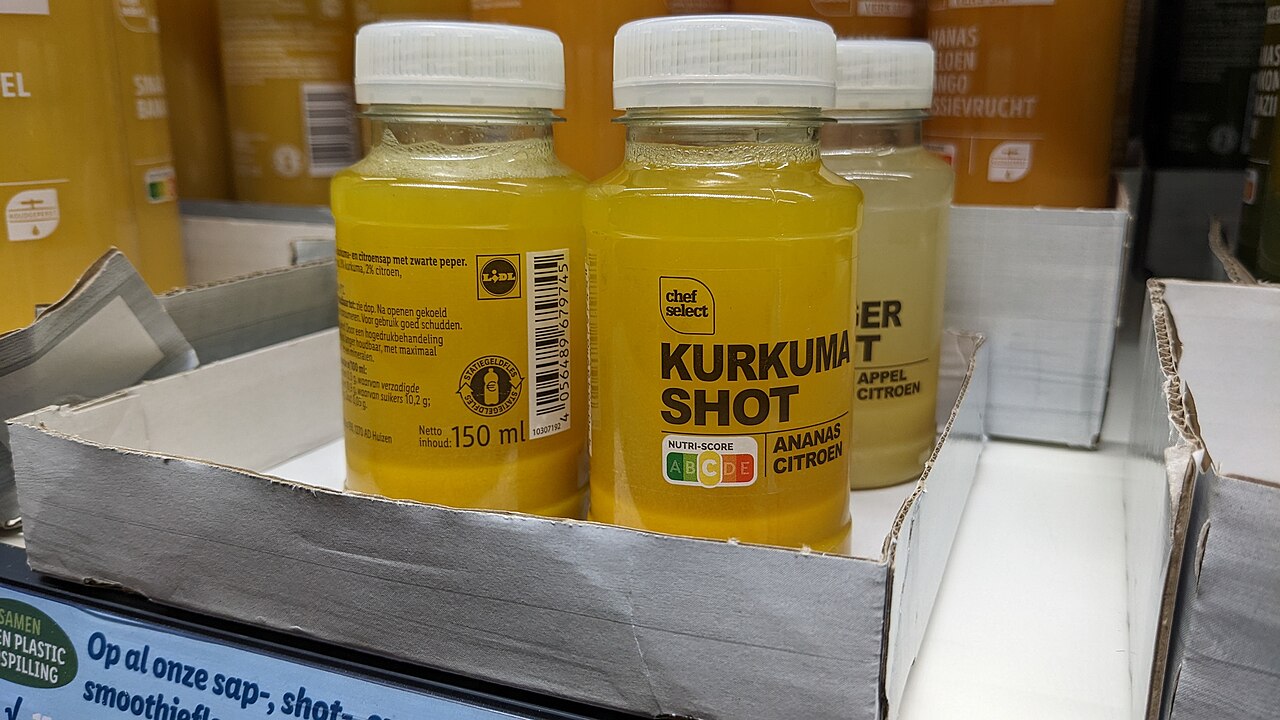
Small trials suggest curcumin may affect selected recovery markers, but soreness and performance results are inconsistent and formulation-specific.
Recovery is not one outcome
Exercise-recovery studies measure soreness, creatine kinase, inflammatory markers, oxidative stress, strength, power, range of motion, perceived fatigue, and time to perform again. A supplement can change one measure without improving the others. Marketing that combines every endpoint into faster recovery hides these distinctions.
The exercise protocol also matters. Downhill running, eccentric resistance exercise, repeated sprints, and normal training create different muscle stress. Results in untrained or moderately active adults may not predict benefit for experienced athletes whose bodies have adapted to the workload.

Curcumin products are unusually hard to compare
Curcumin has low oral bioavailability, so products use piperine, lipid carriers, nanoparticles, phospholipid complexes, or other delivery systems. A milligram of one formulation may not produce the same exposure as a milligram of another. Higher absorption is not itself proof of better recovery.
Trials should identify total curcuminoids, delivery technology, dosing schedule, fed or fasted use, and duration. A seller citing a different proprietary formulation has not shown that its product works. Bioavailability language can explain exposure, but the clinically relevant endpoint must still improve.
A recent systematic review found low-certainty evidence
A 2026 systematic review included 15 randomized, double-blind, placebo-controlled trials in active people and athletes. Favorable findings appeared more consistently for oxidative-stress measures than for muscle damage, inflammation, soreness, fatigue, or performance. Evidence certainty was low or very low because studies were small and heterogeneous.
The review excluded artificial muscle-damage studies and combination products to improve real-world relevance, yet conclusions remained cautious. That is important: even with stricter inclusion criteria, the evidence did not support a broad recommendation for athletic performance or universal recovery.
Individual trials can produce selective positives
A 2025 crossover trial of 44 moderately active adults tested a bioavailable turmeric formulation around downhill running. The primary soreness area-under-the-curve outcome did not significantly differ from placebo. Some later recovery and muscle-function measures favored the supplement, particularly in men.
A 2019 randomized trial in 19 men tested 1.5 grams of curcumin daily around a muscle-damaging protocol and assessed oxidative stress, inflammation, creatine kinase, and soreness. Small samples and many time points increase uncertainty. Secondary improvements should not be rewritten as a successful primary outcome.

Safety and anti-inflammatory tradeoffs
Curcumin commonly causes gastrointestinal symptoms in some users. Concentrated products may interact with anticoagulant or antiplatelet therapy, and piperine can alter drug metabolism. Gallbladder disease, surgery, pregnancy, and liver concerns warrant individualized review.
Inflammation is part of training adaptation as well as soreness. It is not established that suppressing selected biomarkers improves long-term strength or endurance gains. Athletes should separate a short-term comfort goal from an adaptation or performance claim.
A practical decision rule
Match the product to a trial with the same formulation, dose, exercise context, and outcome. Decide whether a small change in soreness or a laboratory marker matters enough to justify cost and interaction risk. Test permitted products during training, not for the first time before competition.
Sleep, protein intake, total calories, carbohydrate availability, training design, and rest remain the foundation of recovery. Curcumin may be a candidate adjunct for selected situations, but current evidence does not support treating it as a reliable performance enhancer or replacement for evaluating persistent pain or injury.
Persistent soreness may be an injury signal
Delayed-onset soreness usually peaks after unfamiliar loading and improves over several days. Focal pain, major swelling, weakness, joint instability, dark urine, numbness, or pain that worsens instead of improving should not be masked with supplements while training continues.
Recovery studies enroll screened participants under controlled protocols and do not provide a diagnosis for an athlete with ongoing symptoms. A sports clinician or physical therapist can assess training load, technique, and injury. The goal is not merely to lower a soreness score but to return safely without hiding a problem. Anti-inflammatory supplements can also complicate interpretation of pain during a return-to-training progression. Objective strength, range of motion, workload tolerance, and symptom trajectory provide a better picture than temporary comfort alone. Athletes subject to testing should also choose independently certified products because botanical formulas can be contaminated or adulterated.
Sources & further reading
This article provides educational information. Ask a qualified clinician or pharmacist about your symptoms, medical conditions, medicines and supplement interactions.