Beetroot Juice for Performance and Blood Pressure: Nitrate Dose Is Only Part of the Story
A guide to beetroot juice trials for exercise and blood pressure, including nitrate standardization, mixed outcomes, and medication considerations.
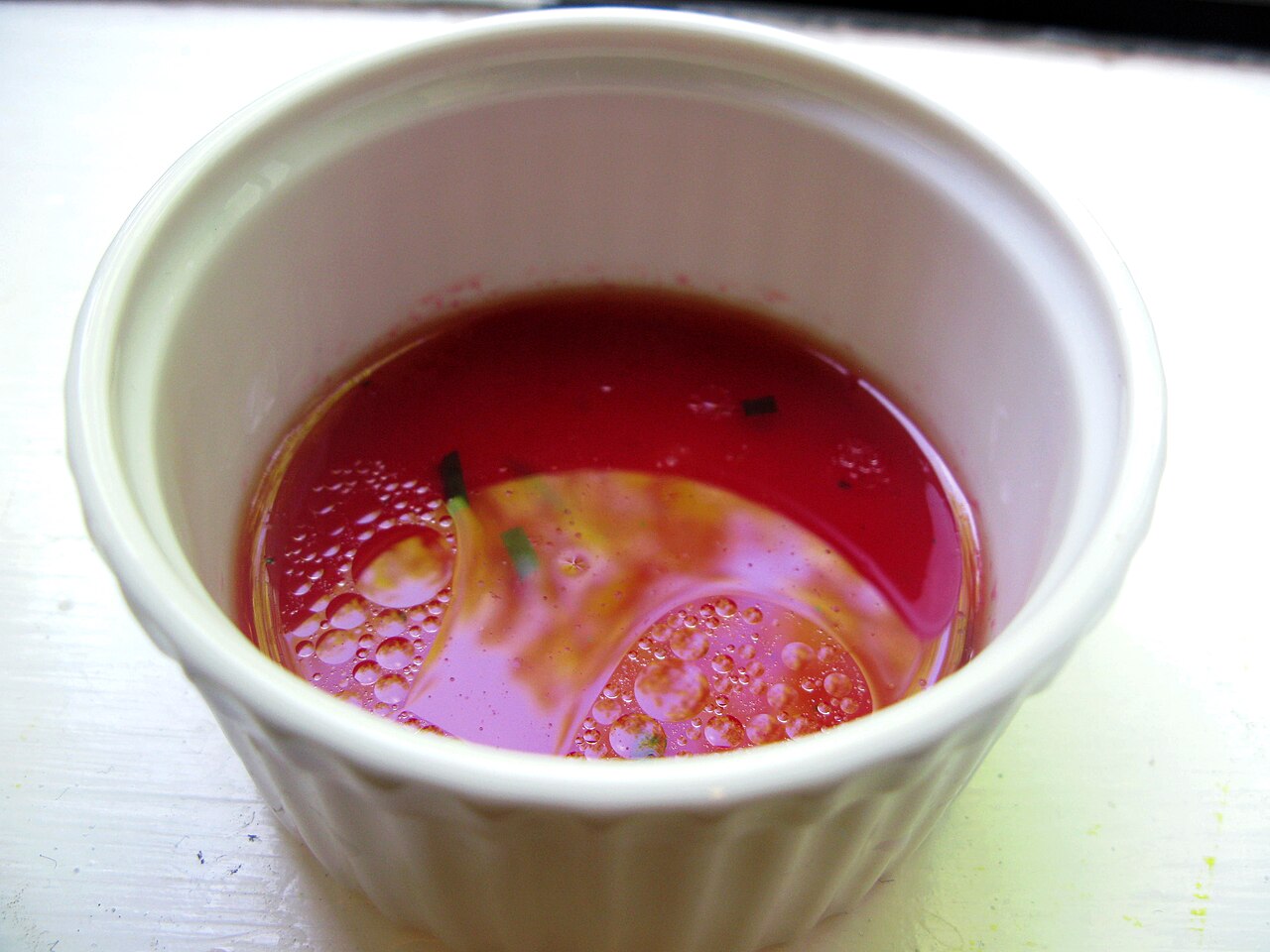
Beetroot juice can affect nitric-oxide biology and may modestly lower clinic blood pressure, but performance results and longer-term pressure findings are inconsistent.
Dietary nitrate connects two marketing categories
Beetroot juice supplies nitrate, which oral bacteria and the body can convert through a pathway that increases nitric-oxide availability. Sports products use this mechanism to promise endurance or power, while heart-health products emphasize blood pressure. The same pathway does not guarantee success for every endpoint, athlete, dose, or clinical population.
Nitrate content varies across juice shots, powders, whole beets, and placebo-depleted products. Some labels state milligrams while studies report millimoles, making direct comparison difficult. A serving described only as concentrated beetroot may not reveal whether it resembles the intervention in a trial.
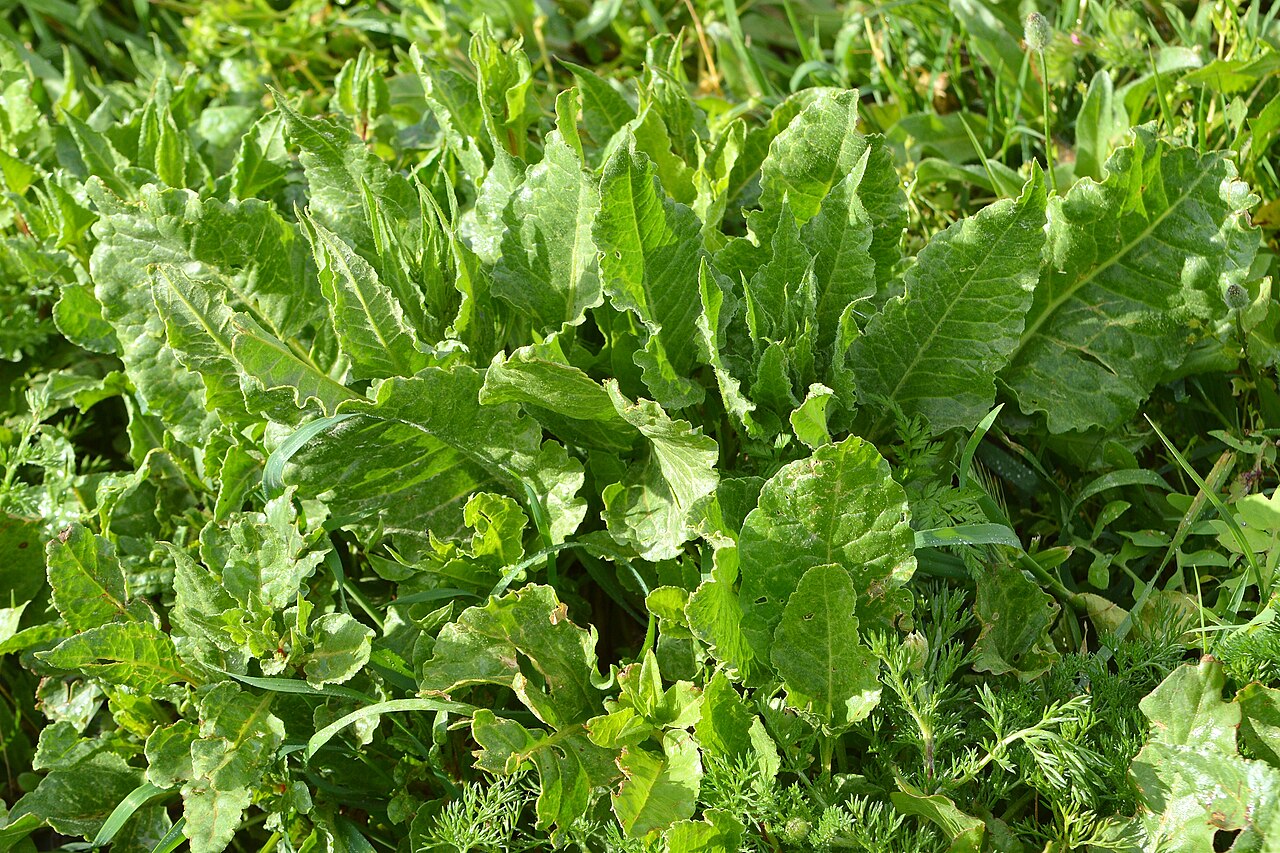
Blood-pressure reviews show a qualified signal
A 2024 systematic review of 11 randomized trials in adults with hypertension found that beetroot juice lowered clinic systolic pressure by about 5.3 mm Hg on average. It did not significantly change clinic diastolic pressure or 24-hour ambulatory outcomes, and heterogeneity was moderate to high. The authors rated the evidence low certainty.
Clinic and ambulatory pressure are not identical endpoints. A favorable office result can coexist with a neutral 24-hour average. Trials also differ in background medicine, starting pressure, nitrate dose, and duration. Beetroot juice should therefore be described as a possible adjunct under study, not a replacement for prescribed antihypertensive treatment.
Individual trials point in different directions
A 12-week randomized trial compared increased nitrate-rich vegetables, beetroot juice providing roughly 400 mg nitrate daily, and no intervention in adults with prehypertension or hypertension. The study found lower ambulatory pressure with the nitrate-rich approaches. Other trials in treated hypertension have reported no meaningful pressure reduction despite increased nitrate exposure.
A more recent four-week trial in older adults with hypertension changed nitrate metabolism without improving vascular function or pressure. Conflicting results are not a reason to ignore research; they are a reason to specify the tested population and endpoint. Selecting only the largest favorable number creates a certainty the full evidence does not support.
Performance findings depend on the task
Sports studies examine time trials, oxygen cost, repeated sprints, peak power, handgrip strength, and perceived exertion. These outcomes should not be merged into one statement that beetroot boosts performance. A 2026 review of sprint research found some favorable measures, but no significant benefit for several common sprint, jump, heart-rate, lactate, or exertion outcomes, with low certainty overall.
Training status may matter because highly trained athletes can respond differently from recreational participants. Timing, mouthwash use, diet, and the nitrate-depleted placebo can also influence results. A product should cite the specific exercise outcome and not imply that a handgrip or laboratory result guarantees faster race performance.

Safety, labeling, and practical use
Beeturia—pink or red urine or stool—can occur and is usually harmless, but gastrointestinal symptoms are possible. Beetroot also contains oxalate, which may matter to people with certain kidney-stone histories. Concentrated shots can add sugar, sodium, or other ingredients, so the complete label matters more than the vegetable image.
Because beetroot juice may lower pressure, people using antihypertensives, nitrates, or several vasodilating supplements should seek individualized advice and watch for dizziness or faintness. Do not adjust medicine around a workout supplement without the prescriber. The evidence supports a nuanced candidate effect, not a universal performance enhancer or blood-pressure treatment.
Practical trial matching for athletes
Before buying, convert the label’s nitrate amount into the same unit used by the study and confirm whether the product is standardized batch to batch. Note timing, training status, and whether the trial used an identical-tasting nitrate-depleted placebo.
Test any permitted product in training before competition, not for the first time on race day. Sports-governing rules and team policies may also matter for multi-ingredient formulas. Even when nitrate itself is allowed, contamination risk and added stimulants can turn a simple juice shot into a different product. Record gastrointestinal tolerance, perceived effort, and performance under comparable training conditions rather than judging one unusually good session.
Sources & further reading
- Beetroot Juice and Blood Pressure in Hypertension: Systematic Review and Meta-analysis ↗
- Increasing Nitrate-Rich Vegetables Lowers Ambulatory Blood Pressure: Randomized Trial ↗
- Beetroot Juice and Sprint Performance: Systematic Review and Meta-analysis ↗
- Four Weeks of Beetroot Juice in Older Adults With Hypertension ↗
This article provides educational information. Ask a qualified clinician or pharmacist about your symptoms, medical conditions, medicines and supplement interactions.