DASH, Sodium, and Blood Pressure: What the Controlled Feeding Trials Actually Tested
A practical guide to DASH and sodium research, including controlled feeding results, limits, label reading, and safe potassium considerations.
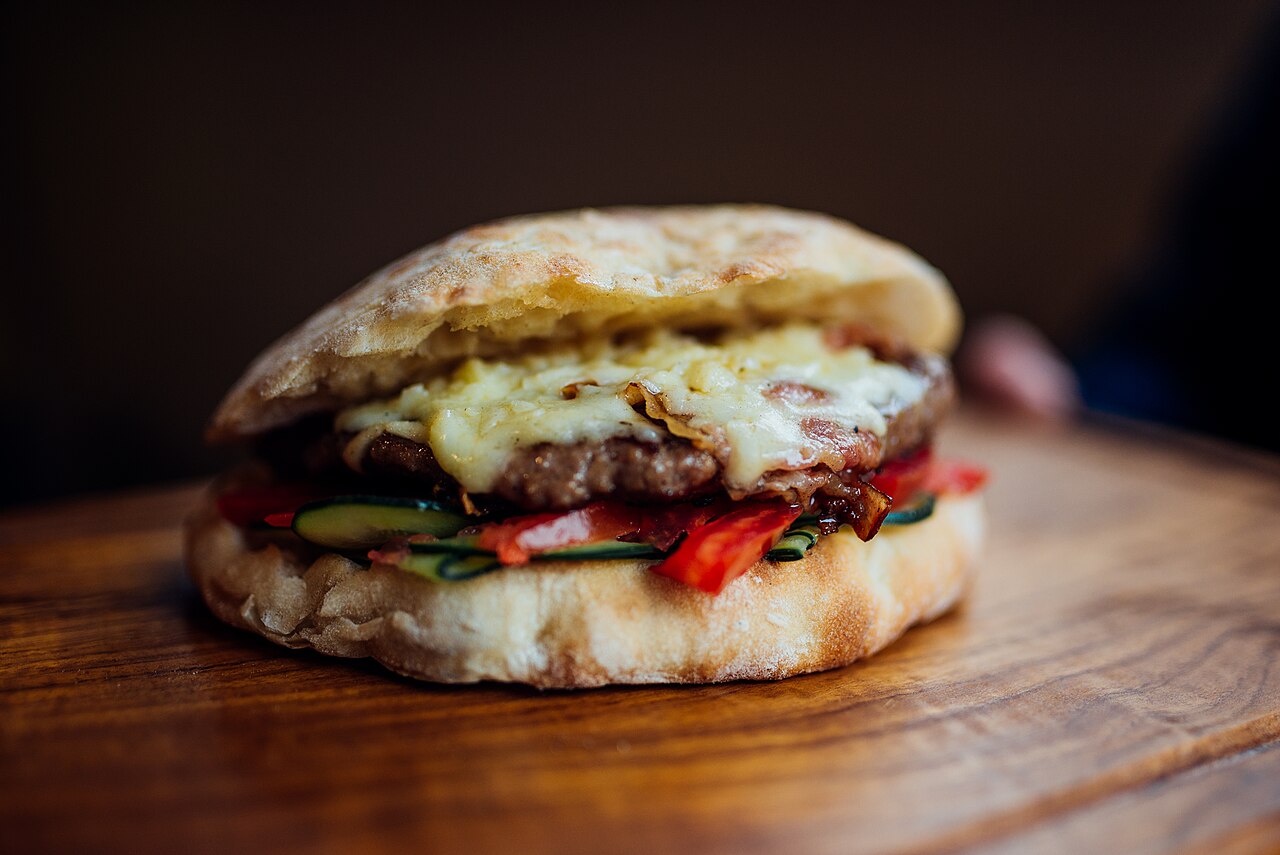
DASH and lower sodium reduced blood pressure in controlled feeding research, but the evidence supports a complete eating pattern—not a single food or supplement shortcut.
What DASH means in the research
DASH is a dietary pattern built around vegetables, fruit, grains, low-fat dairy, beans, nuts, fish, and poultry, with less saturated fat and fewer sweets than a typical U.S. pattern. It is not a branded supplement plan. That distinction matters because controlled trials supplied complete menus, allowing researchers to compare patterns while limiting the usual uncertainty of self-reported food intake.
The original DASH work measured blood pressure, not a guarantee against every cardiovascular event. A blood-pressure change is clinically relevant, but it remains a specific endpoint. Marketing that assigns the trial’s result to one mineral, powder, or packaged meal goes beyond what the design tested. The evidence belongs to the pattern and the study conditions in which it was produced.
What the DASH-Sodium trial found
The DASH-Sodium trial enrolled 412 adults and assigned them to a DASH or control diet. Within each diet, participants ate high-, intermediate-, and low-sodium menus for 30 days each. Lower sodium reduced systolic pressure on both patterns, and the combination of DASH with the lowest sodium level produced the lowest average readings. Effects were larger among some participants with higher starting pressure.
A later analysis of stored samples found that DASH and sodium reduction affected biomarkers related to cardiac injury and strain in different ways. Those findings add biological context, but they do not turn biomarkers into proof of fewer heart attacks. The most defensible conclusion remains that controlled changes in diet composition and sodium lowered measured pressure over relatively short feeding periods.
Sodium reduction is not sodium elimination
Sodium is an essential nutrient, and the trials compared defined intake levels rather than removing it. In daily life, much sodium comes from breads, sauces, soups, restaurant meals, and packaged foods—not only the salt shaker. Comparing milligrams per serving is useful, but serving sizes must match the amount actually eaten. A package labeled reduced sodium can still contribute substantially across several servings.
Home cooking can make intake easier to see, yet restaurant and prepared foods can still fit within a broader plan when portions and frequency are considered. Sudden, extreme restriction is not the lesson of DASH-Sodium. People with heart failure, kidney disease, low blood pressure, heavy sweat losses, or prescribed dietary limits need individualized guidance rather than a universal number copied from a general article.
Potassium-rich foods and supplement caution
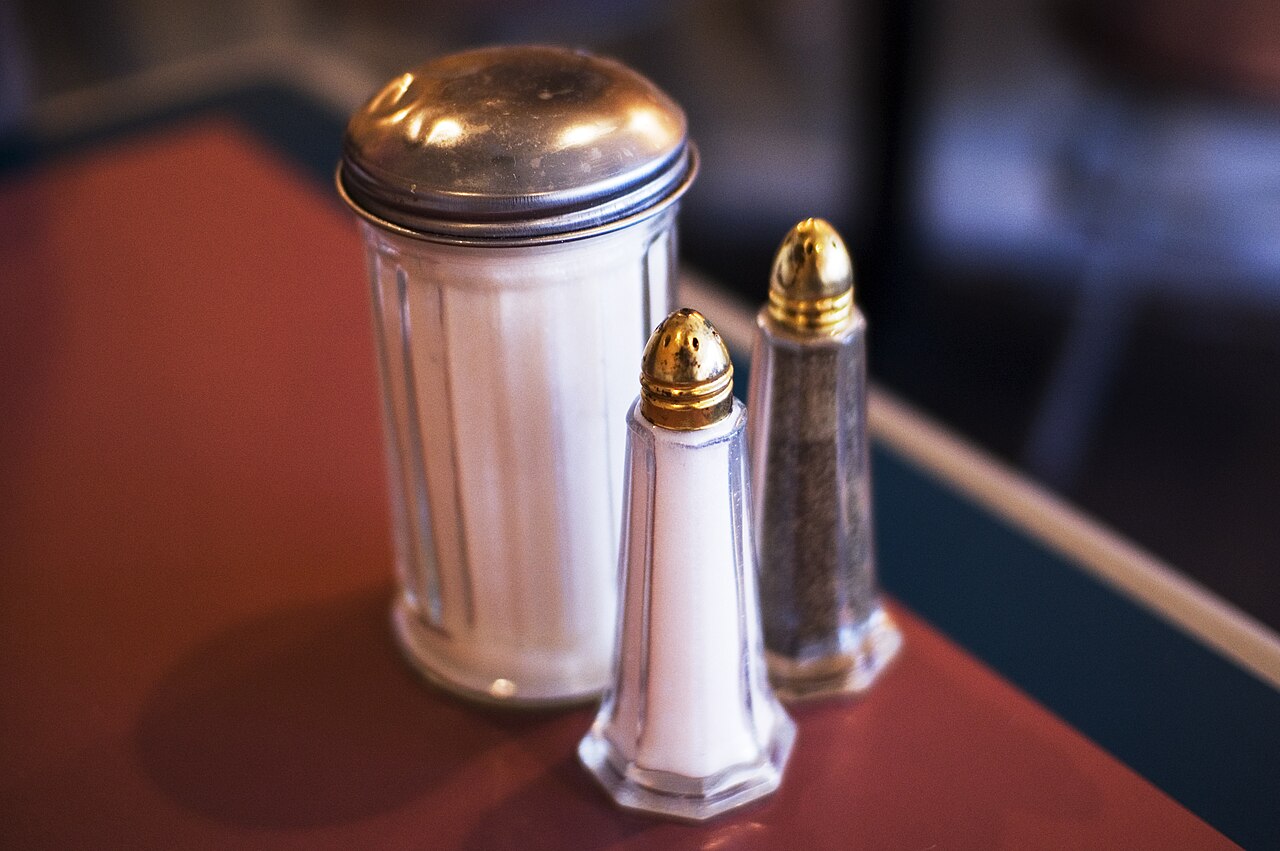
DASH naturally includes many potassium-containing foods. That does not mean a potassium pill or potassium-based salt substitute recreates the diet. Supplements and salt substitutes can produce concentrated exposure, while foods arrive with fiber, water, and other nutrients. Kidney function and several medicines can also change the safety of extra potassium, making a medication review important.
Anyone taking an ACE inhibitor, angiotensin receptor blocker, or potassium-sparing diuretic should ask a clinician or pharmacist before adding concentrated potassium. The same applies to people with kidney disease or a prior high potassium result. A heart-healthy label on a shaker does not replace that check, and medication should never be changed simply to accommodate a supplement.
Turning a trial menu into ordinary meals
A practical approach is to build meals around minimally processed foods, then identify the largest recurring sodium sources. Swapping one frequently eaten sauce, soup, deli meat, or snack can matter more than buying a specialty product used occasionally. Taste can adapt gradually when herbs, acids, spices, and aromatic vegetables replace part—not necessarily all—of the salt.
Track the pattern rather than judging one meal. Blood pressure should be measured with a validated device and a consistent technique if a clinician recommends home monitoring. A few readings cannot diagnose or rule out hypertension, and an improved diet is not a reason to stop prescribed treatment. DASH is best understood as an evidence-based framework that can be tailored with professional help. Progress is better judged through a sustained routine, properly collected readings, and clinician-guided changes than through a single unusually favorable day.
Sources & further reading
This article provides educational information. Ask a qualified clinician or pharmacist about your symptoms, medical conditions, medicines and supplement interactions.