Hibiscus Tea and Blood Pressure: Promising Short Trials, Product Differences, and Safety Gaps
Review hibiscus tea blood-pressure trials, realistic effect estimates, preparation differences, medication questions, and evidence limits.
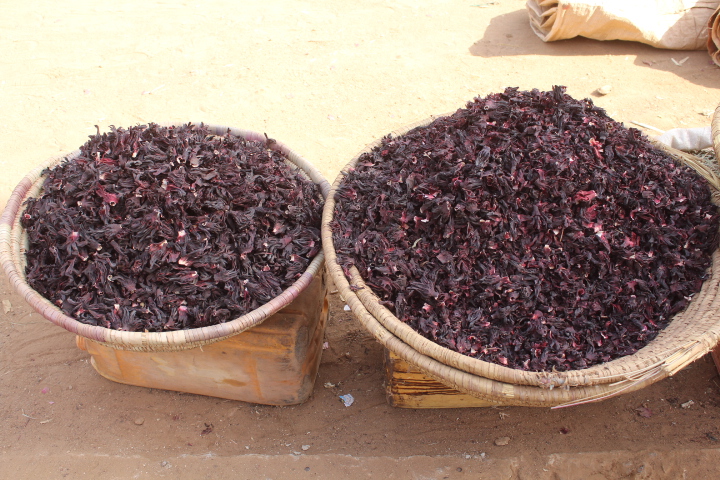
Small, short trials suggest hibiscus can lower blood pressure, but formulations vary and the evidence does not support replacing prescribed treatment.
Hibiscus is a beverage and a research intervention
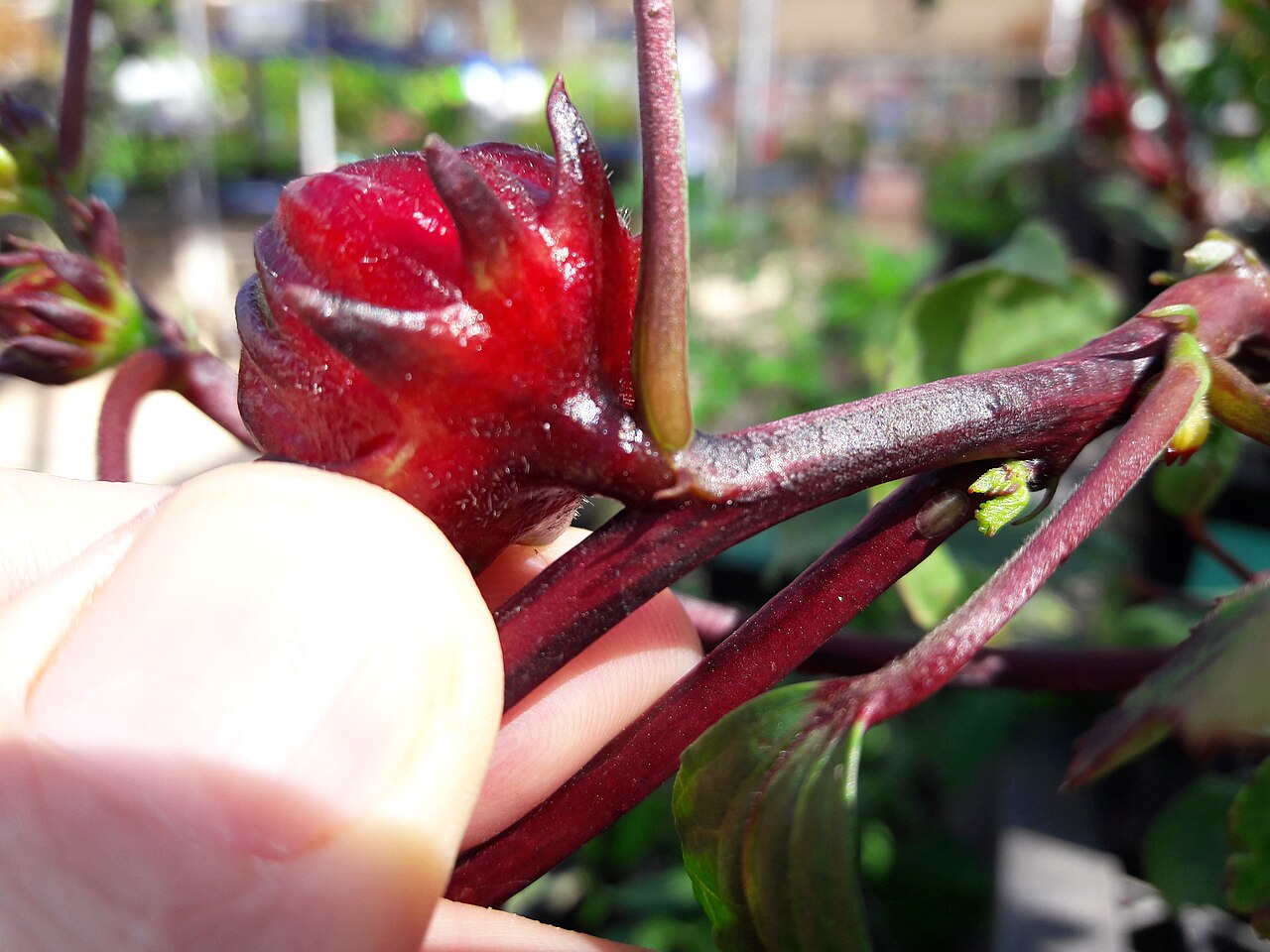
Hibiscus sabdariffa, also called roselle or sour tea, appears in brewed beverages, powders, gummies, and concentrated extracts. These forms should not be treated as one standardized intervention. Plant variety, extraction, dose, steeping, and added ingredients can alter exposure. A familiar tea ritual therefore does not automatically validate a capsule with a different composition.
Blood pressure is a plausible outcome to study, but a short change in a clinic reading is not the same as proven prevention of stroke or heart attack. A responsible review distinguishes those endpoints and describes the comparison group, starting blood pressure, medication use, and duration before translating a result into practical advice.
What a placebo-controlled tea trial found
A 2010 randomized, double-blind, placebo-controlled trial enrolled 65 adults with prehypertension or mild hypertension who were not taking blood-pressure medicine. Participants drank three 240-milliliter servings of brewed hibiscus tea or a placebo beverage daily for six weeks. Systolic pressure fell more in the hibiscus group, with a between-group result that reached statistical significance.
Diastolic pressure also declined within the hibiscus group, but the difference from placebo was not statistically significant. The trial was small and short, and its participants do not represent everyone with hypertension. The finding supports further study and a possible adjunctive dietary role; it does not establish hibiscus as a substitute for diagnosis, monitoring, or medication.
Other trials do not create one universal dose
Later studies have tested roselle drinks, standardized extracts, and products in people with metabolic syndrome or hypertension. Some report lower pressure or favorable metabolic markers, while designs and comparators differ. An active-drug comparison is especially easy to misread: showing improvement from baseline does not prove equivalence unless the trial was designed and powered to establish it.
Systematic reviews pool these studies but inherit their differences. A recent overview found an overall blood-pressure signal across randomized trials, yet formulation diversity and study quality still limit confidence about a retail product. The most useful label question is not merely whether it contains hibiscus, but whether its preparation and amount resemble the evidence being cited.
Safety and interaction questions remain
Tea consumed as a food may not carry the same exposure as a concentrated extract. Hibiscus can also contribute acidity, and blends may include licorice, caffeine, or other botanicals with their own cardiovascular effects. Pregnant or breastfeeding people and those with liver, kidney, or blood-pressure concerns should seek individualized guidance because supplement safety data are incomplete.
Combining an herbal product with antihypertensive medicine could potentially produce unwanted low pressure, dizziness, or falls, even when each is tolerated alone. Bring the exact label to a clinician or pharmacist. Do not skip or reduce a prescription to make room for tea, and do not use a home reading as the sole basis for changing treatment.
How to test a personal routine safely
If a clinician agrees that hibiscus is reasonable, keep the preparation consistent and monitor pressure using a validated upper-arm device and standardized technique. Sit quietly, support the arm, use an appropriate cuff, and record repeated readings rather than reacting to one number. Note symptoms and the timing of beverages, medicines, caffeine, exercise, and meals.
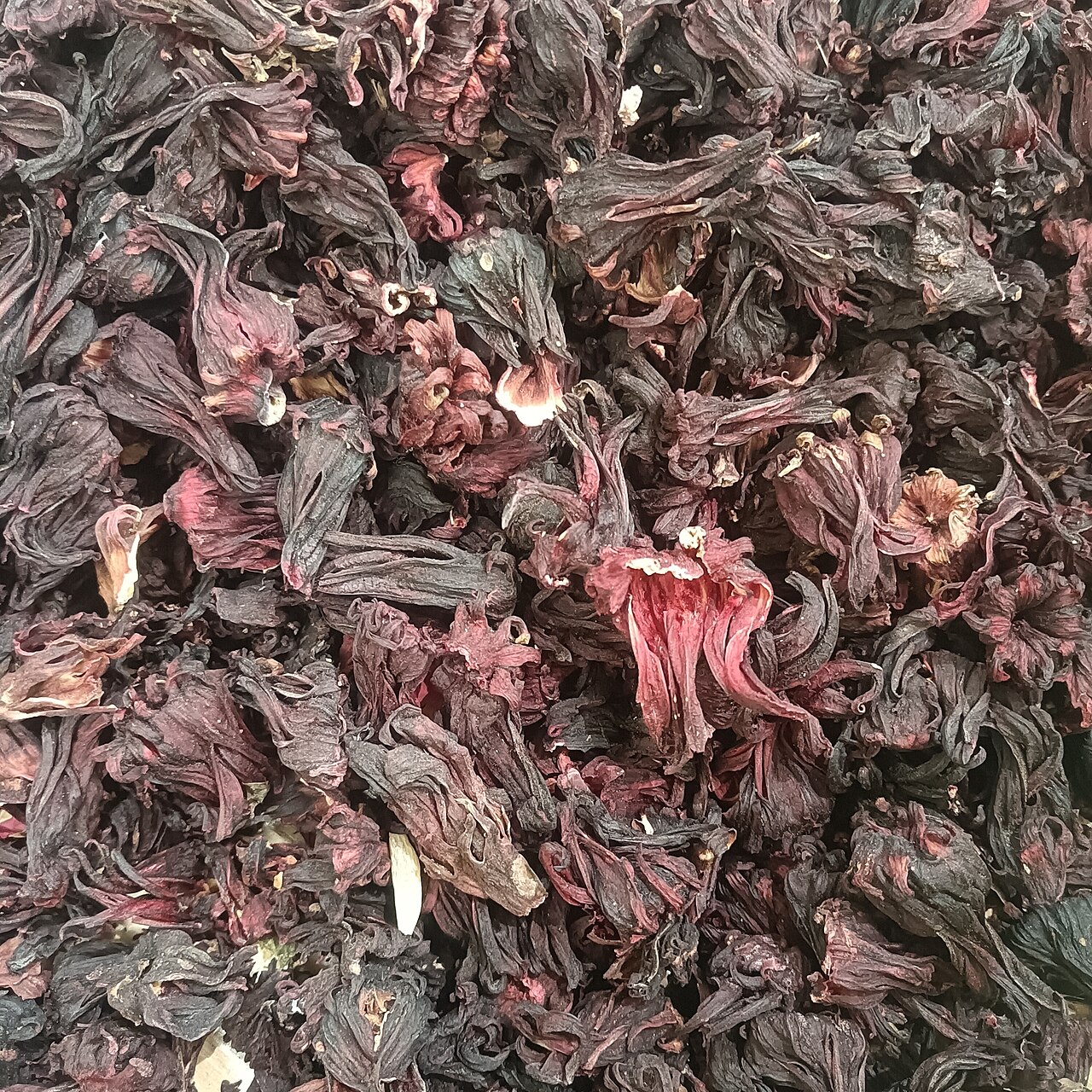
Choose unsweetened products when added sugar would undermine the dietary goal, and remember that a vivid red color does not indicate a standardized dose. The evidence is encouraging enough to study, but not strong enough for treatment claims. Hibiscus is best framed as a possible food-based adjunct whose formulation, interactions, and measured response still matter.
Reading future hibiscus research
Look for trials that identify the plant material, extraction method, dose, and chemical standardization. A tea-bag study and a concentrated capsule study should not be pooled in a consumer’s mind merely because both use the word hibiscus.
Longer studies should also report medication changes, adverse effects, ambulatory pressure, and adherence. Until those data are stronger, claims about preventing cardiovascular events or matching prescription treatment are premature. The appropriate language is possible blood-pressure support, paired with clear limits and safety review. Consumers should also distinguish an unsweetened tea from gummies or drink mixes whose sugar, dose, and added botanicals alter the comparison.
Sources & further reading
This article provides educational information. Ask a qualified clinician or pharmacist about your symptoms, medical conditions, medicines and supplement interactions.