Pomegranate Juice and Blood Pressure: Small Trials, Sugar Tradeoffs, and No Event-Proof Shortcut
Review pomegranate juice and extract trials, pooled blood-pressure findings, formulation differences, sugar content, and medication considerations.

Pomegranate products may modestly lower blood pressure in some short trials, but evidence is heterogeneous and does not establish cardiovascular-event prevention.
Juice, extract, and whole fruit differ
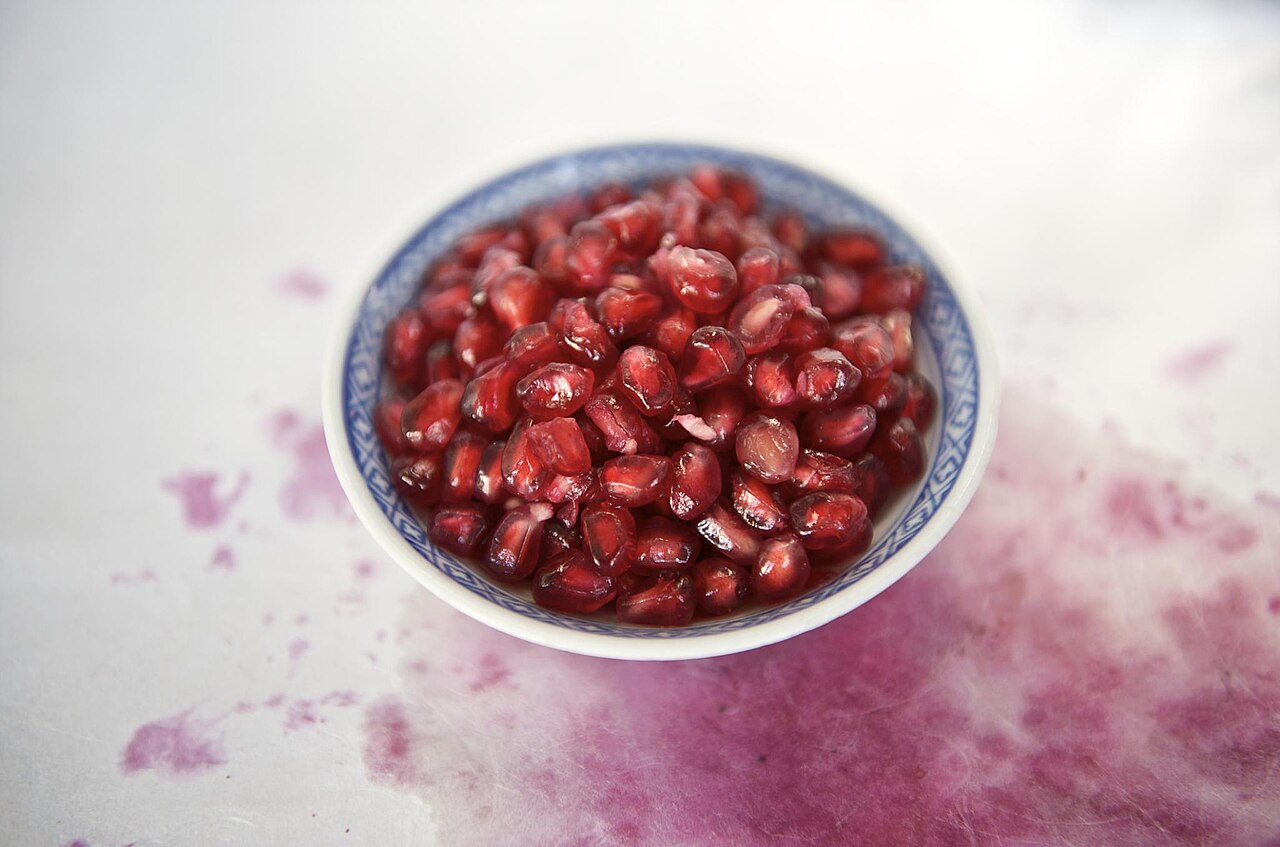
Pomegranate juice provides polyphenols, natural sugar, potassium, and calories, while extracts can concentrate selected compounds without the same food matrix. Whole arils add fiber. These forms should not be treated as dose-equivalent merely because they come from the same fruit.
Commercial juices may be blends, sweetened drinks, concentrates, or small flavor additions. The ingredient list and serving size determine whether a bottle resembles a research product. A red color and antioxidant language do not reveal polyphenol content or clinical evidence.
Short randomized trials report mixed blood-pressure effects
A placebo-controlled trial in 51 healthy adults assessed pomegranate juice for four weeks and measured pulse-wave velocity, blood pressure, and antioxidant status. Other trials enrolled people with metabolic syndrome, diabetes, overweight, or hypertension. Some found lower systolic or diastolic pressure; others produced smaller or neutral findings.
These studies are generally short and modest in size. Blood-pressure technique, baseline values, medication use, juice dose, and comparator drinks vary. A favorable result in one selected population should not be generalized to every person or every pomegranate supplement.
Meta-analyses find a pooled signal with uncertainty
Systematic reviews of randomized trials have reported average reductions in systolic and, in some analyses, diastolic pressure. Updated reviews also emphasize heterogeneity and the need for larger, higher-quality trials. A pooled average can be useful while still being too uncertain for a treatment recommendation.
Blood-pressure reduction is not direct evidence that pomegranate prevents stroke, myocardial infarction, or cardiovascular death. Event trials would require larger populations and longer follow-up. Marketing that turns a short pressure study into an artery-cleansing or heart-protection claim crosses that evidentiary gap.
Sugar and calorie tradeoffs matter
Juice removes most of the fruit’s fiber and can deliver substantial carbohydrate quickly. For someone managing weight, triglycerides, or glucose, the serving and frequency matter. Unsweetened does not mean sugar-free; it means no sugar was added beyond what the fruit provides.
Using a small juice portion in place of soda differs from adding it to an otherwise unchanged diet. Extract capsules avoid beverage sugar but introduce different dose, absorption, and quality questions. One form cannot borrow the other’s trial result without a valid comparison.
Medication and symptom review
Because pomegranate may affect blood pressure, people taking antihypertensives should monitor for dizziness and discuss concentrated use with a clinician. Interaction evidence for medicines is less established than for grapefruit, but uncertainty is not proof of no interaction. The exact product and medication list matter.
People with kidney disease may have individualized potassium or fluid guidance. New weakness, faintness, chest pain, or severe headache should not be managed by adjusting juice intake. Home pressure readings require a validated cuff and consistent technique.
A balanced conclusion
Pomegranate is a nutritious food, and short trials justify continued research into vascular effects. The current evidence supports cautious language about a possible modest blood-pressure contribution, not a promise of cardiovascular prevention or medication replacement.
Choose a form for its nutritional fit, compare serving sizes, and keep the claim attached to the studied endpoint. The most useful heart-health plan still addresses dietary pattern, activity, smoking, sleep, weight, lipids, glucose, and prescribed treatment rather than relying on one polyphenol-rich product.
Antioxidant tests do not prove clinical benefit
Pomegranate products often advertise antioxidant capacity measured in a laboratory. Those assays show how compounds behave under test conditions, not whether drinking the product prevents arterial disease in people. Higher assay values are not a validated ranking of cardiovascular benefit.
Human metabolism transforms polyphenols, and gut microbes influence the metabolites produced. This variability may help explain different responses, but it does not justify microbiome-based promises without direct trials. Clinical outcomes, not color intensity or test-tube antioxidant scores, should set the strength of the claim. Processing and storage can further change polyphenol content, so even products with similar nutrition panels may not match the research material. Batch-specific standardization would improve comparison, but it still would not turn an antioxidant measurement into proof of fewer clinical events. Transparent product characterization is therefore essential for any future recommendation.
Sources & further reading
This article provides educational information. Ask a qualified clinician or pharmacist about your symptoms, medical conditions, medicines and supplement interactions.