Red Yeast Rice: Why an Unlisted Monacolin Amount Matters
Understand variability in red yeast rice products, monacolin K, statin-like effects, contamination concerns, and the limits of a natural cholesterol claim.
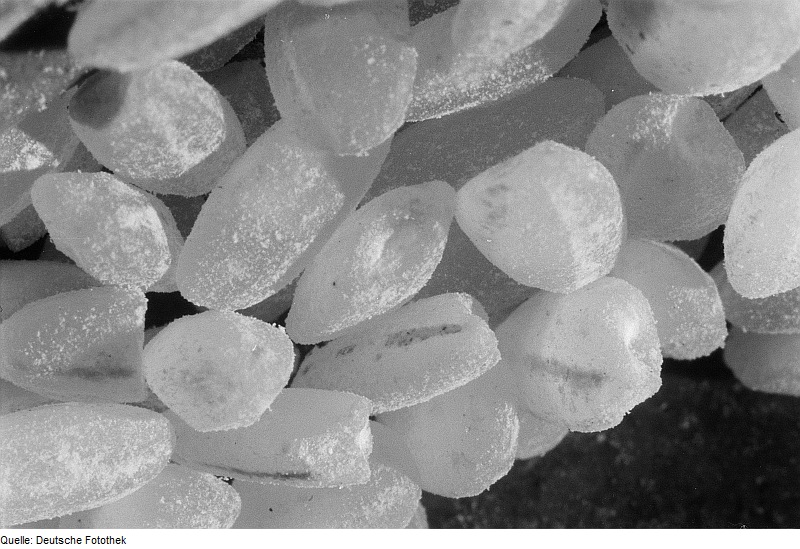
Red yeast rice products can vary substantially in active constituents; a natural label does not eliminate medicine-like effects or safety concerns.
A familiar label can conceal an uncertain exposure
Red yeast rice is often positioned as a natural approach to cholesterol management. The name identifies a fermented product, but it does not tell a consumer how much of every biologically active constituent is present. That missing information matters when people are trying to predict both benefit and risk.
NCCIH describes variability in monacolin K among commercial products and notes that its quantity is generally not included on labels. A bottle's total red yeast rice amount therefore does not necessarily reveal the amount of a constituent responsible for a clinically relevant effect. Comparing only the front-panel quantity can create a false sense of precision.

Why monacolin K is central to the discussion
Monacolin K is structurally identical to lovastatin, a cholesterol-lowering medicine. That fact explains why the phrase natural does not settle the safety question. A constituent capable of medicine-like effects can also have relevant adverse effects and interactions. Its origin does not change the need to understand the exposure.
NCCIH also explains that U.S. products with enhanced or added lovastatin cannot legally be marketed as dietary supplements. A consumer article should describe this distinction without implying that every product has the same composition or regulatory status. The practical problem is that a shopper may lack the information needed to predict which exposure a particular bottle provides.
Variability limits straightforward benefit comparisons
Research involving a defined preparation does not automatically establish the effects of a different retail product. If active constituent levels vary, a similar total ingredient weight may produce a different exposure. This weakens attempts to translate a favorable study into a broad promise for every product sharing the name.
Ask which preparation was studied and whether the marketed product is demonstrably comparable. Also separate cholesterol measurements from direct evidence about cardiovascular outcomes. A sales page can list favorable findings while leaving the crucial product comparison unanswered. Clear reporting identifies that gap rather than assuming that all fermented rice preparations have interchangeable clinical effects.
Safety includes more than ordinary digestive effects
NCCIH describes statin-like adverse effects and drug interactions with products containing significant monacolin K. It also highlights citrinin, a contaminant that can damage kidneys, and recommends against red yeast rice during pregnancy or breastfeeding. These concerns belong in the central discussion, not under a vague reassurance that the product is traditional.
Someone already taking cholesterol medicines or other treatment should bring the label to a clinician or pharmacist before considering use. Do not use a supplement to make an unsupervised medicine substitution. Product testing may address selected quality questions, but a testing claim must be evaluated for what was actually measured and whether it covers the relevant preparation.

A natural alternative is still an intervention
The word alternative can imply avoiding the risks of a medicine while keeping its benefits. That assumption needs evidence. If a product contains a pharmacologically active constituent, its effects cannot be evaluated by origin alone; if it contains very little, its proposed benefit may be uncertain. Both sides of that tension matter.
NCCIH's cholesterol resources place supplements within a broader discussion of evidence and clinical care. A useful consultation can address the person's cholesterol results, cardiovascular risk, treatment history, and concerns about existing medicines. Those details make the conversation more informative than asking which natural product lowers a number most quickly.
What shoppers should be able to learn
A reliable product assessment asks about constituent amounts, batch consistency, relevant contamination testing, study comparability, and potential interactions. If key information is unavailable, that uncertainty should influence confidence. A precise-sounding serving amount does not answer every question about what is being taken.
Red yeast rice illustrates why supplement reporting needs more than an ingredient name and a benefit headline. The useful conclusion is that uncertain exposure can make both effectiveness and safety difficult to predict. Clinical decisions should reflect that uncertainty, with a complete view of other medicines and a clear distinction between a defined research preparation and the product being considered.
Sources & further reading
This article provides educational information. Ask a qualified clinician or pharmacist about your symptoms, medical conditions, medicines and supplement interactions.