Zinc Supplements: When More Can Lower Copper—and Even HDL Cholesterol
Learn the adult zinc upper limit, copper-deficiency mechanism, medicine interactions, hidden sources, toxicity signs, and when testing is appropriate.
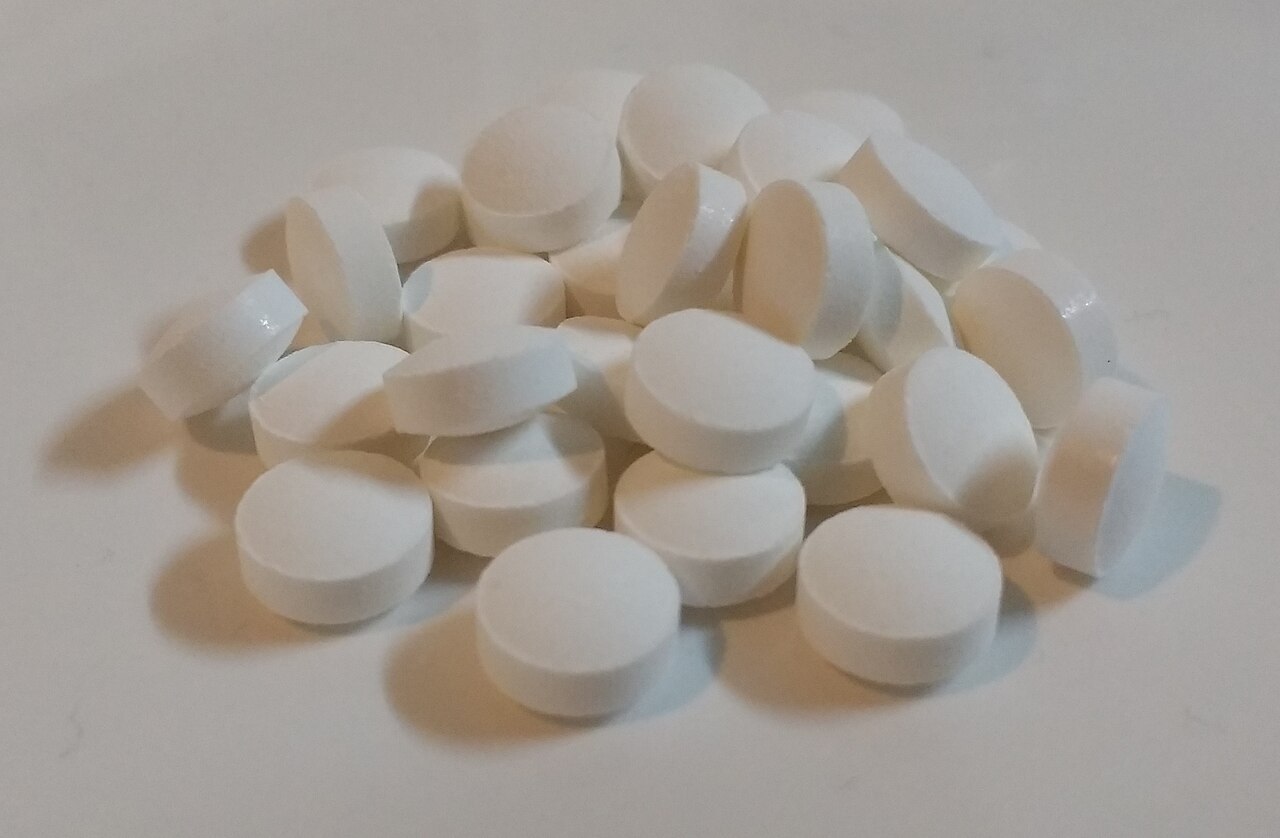
Long-term high-dose zinc can impair copper absorption, cause neurologic and blood problems, and lower HDL; total intake across products matters.
Zinc is essential but tightly balanced
Zinc supports immune function, wound healing, DNA synthesis, growth, and taste. Deficiency is important to identify, but essential nutrients can become harmful when supplemental intake greatly exceeds need.
Food sources include meat, shellfish, dairy, beans, nuts, and fortified cereals. Absorption varies, especially with phytate-rich diets. A supplement decision should consider diet, symptoms, medical conditions, and total intake rather than the highest percentage Daily Value.

The adult upper limit is 40 milligrams
NIH’s Office of Dietary Supplements lists a tolerable upper intake level of 40 milligrams daily for adults from food and supplements. The upper limit is not a target. Medical treatment above it should occur under professional supervision.
Cold remedies, multivitamins, testosterone products, immune blends, and standalone tablets can stack unexpectedly. Zinc-containing denture adhesive can add another source. The milligrams per serving and number of daily servings both matter.
High zinc can create copper deficiency
Excess zinc increases intestinal metallothionein, which binds copper and reduces its absorption. Weeks of 50 milligrams or more can lower copper status. Copper deficiency can cause anemia, low white blood cells, numbness, weakness, balance problems, and spinal-cord injury.
Neurologic damage may be mistaken for vitamin B12 deficiency or another disorder. Adding copper without stopping excessive zinc can miss the cause. Symptoms require evaluation and laboratory guidance rather than self-correction with another supplement.
HDL and immune effects can move the wrong way
NIH notes that 50 milligrams or more for weeks can reduce immune function and lower HDL cholesterol. That is especially relevant when zinc is marketed for long-term wellness or male health.
A lower HDL value does not alone diagnose harm, but it demonstrates that more zinc is not metabolically neutral. Short-term cold-lozenge research should not be used to justify indefinite high-dose tablets.
Medicine interactions
Zinc can bind quinolone and tetracycline antibiotics and reduce absorption of both the mineral and medicine. It also interacts with penicillamine. Timing instructions differ by drug, so a pharmacist should provide the spacing plan.
Thiazide diuretics can increase zinc excretion. That does not mean every user needs supplementation. Medicine effects, diet, and symptoms should be assessed together.
Signs of acute and chronic excess
Nausea, vomiting, abdominal pain, headache, dizziness, and loss of appetite can occur with excessive intake. Chronic toxicity may present more subtly through anemia, infection, or neurologic symptoms.
Keep product bottles and record daily use when seeking care. Laboratory interpretation may include zinc, copper, blood count, and other tests chosen by the clinician. Serum zinc alone has limitations and should not be interpreted in isolation.
A safer decision
Use zinc to meet a defined nutritional or medical need, not as an open-ended megadose. Review every product and stay below the upper limit unless treatment is supervised.
If long-term supplementation is considered, ask why, for how long, and how copper status will be protected. The goal is adequacy, not maximizing a nutrient whose excess can reproduce the very fatigue, immune, and neurologic problems a user hopes to avoid.
Cold remedies are a separate evidence question
Zinc lozenges have been studied for shortening common-cold duration when started early, but formulations and elemental doses vary and results are inconsistent. Intranasal zinc has been linked to permanent loss of smell and should be avoided. A short lozenge course does not justify a year-round high-dose tablet.
Consumers should calculate elemental zinc rather than the total weight of zinc gluconate or acetate. Lozenges can deliver repeated doses across a day, and a multivitamin adds more. Nausea may occur before a user recognizes that the daily total is far above the upper limit.
Copper balance is not solved by a fixed ratio
Some manufacturers add copper to high-zinc products and claim a protective ratio. Individual absorption, diet, duration, and medical conditions vary, so a fixed formula cannot guarantee safety. Added copper can also become excessive when several products are combined.
The better strategy is to avoid unnecessary chronic high-dose zinc. When treatment requires it, clinicians can select monitoring based on the indication and duration. Supplements should not turn one nutrient interaction into an invitation to stack another nutrient without a defined medical purpose.
Sources & further reading
This article provides educational information. Ask a qualified clinician or pharmacist about your symptoms, medical conditions, medicines and supplement interactions.