One Avocado a Day: The Cardiometabolic Result Depends on What It Replaces
Examine controlled avocado trials, non-HDL and triglyceride findings, calorie substitution, whole-food context, and practical limits.

Replacing solid fats and added sugars with avocado improved selected lipids in a controlled trial; simply adding avocado calories is a different intervention.
Replacement is the central question
Avocados provide monounsaturated fat, fiber, potassium, folate, and plant compounds, but they are also energy-dense. A study that swaps avocado for butter, solid fat, or added sugar is not evidence that adding an avocado to an unchanged diet produces the same result.
Nutrition headlines often name the added food and omit the displaced one. That omission can reverse the practical advice. The relevant question is not whether avocado is healthy in isolation, but how the entire meal changes when it appears.
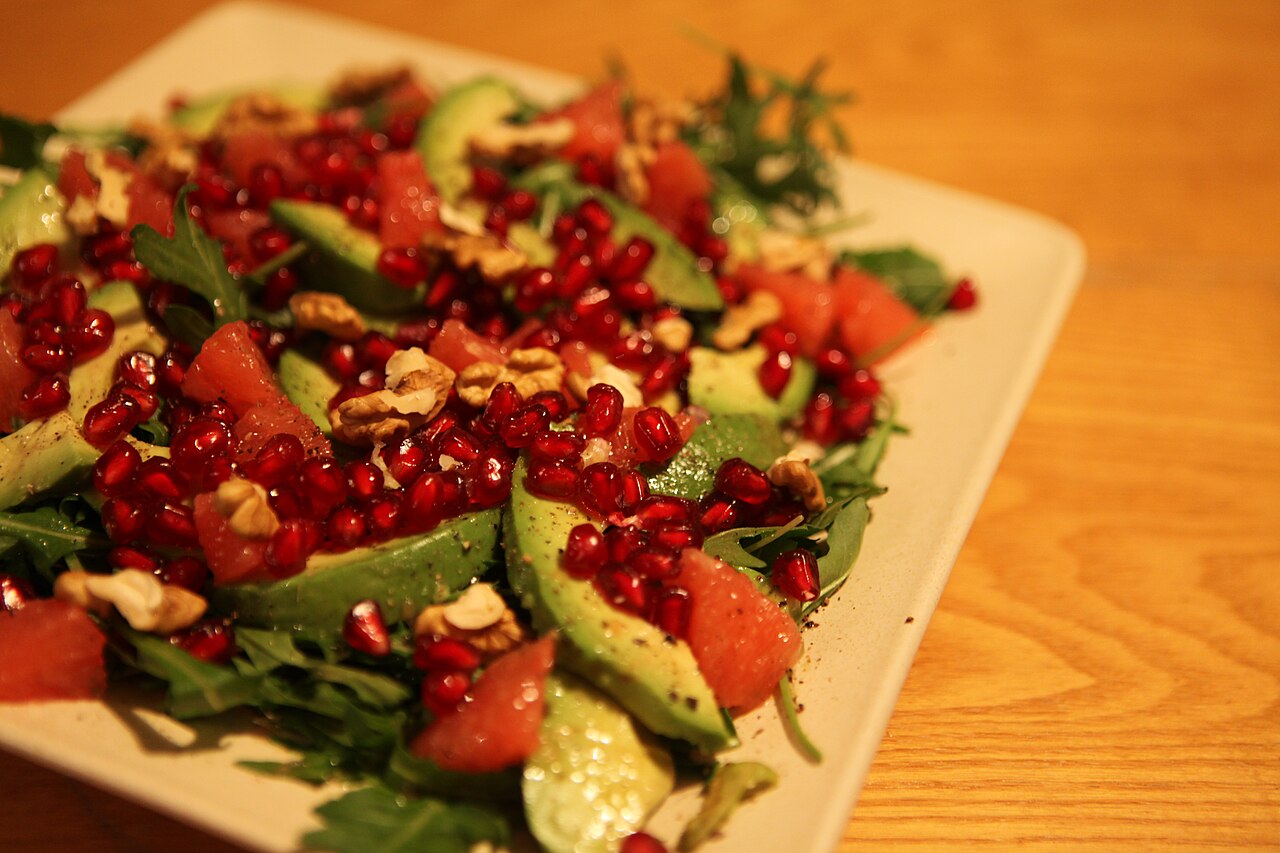
A 2025 controlled-feeding crossover trial
Researchers assigned adults with elevated triglycerides to two three-week diets: an average American pattern or a pattern in which one avocado daily replaced equal calories from solid fats and added sugars. Prepared foods helped standardize the comparison, and green dye supported blinding.
Non-HDL cholesterol, VLDL cholesterol, triglycerides, small LDL cholesterol, and the total-to-HDL ratio improved more during the avocado condition. Blood pressure, glucose, insulin, and several other lipids did not differ significantly. The trial was small and short, with 42 participants randomized.
The triglyceride result needs context
Triglycerides fell about 17% more from baseline in the avocado condition than in the control condition. Participants began with elevated triglycerides, so results may not apply to people with normal levels. The controlled replacement of sugars and solid fats likely contributed.
A triglyceride change is not direct evidence of fewer cardiovascular events. Alcohol, refined carbohydrate, weight, diabetes control, fasting status, and genetics also influence triglycerides. A single food cannot resolve every cause.
Other avocado trials are not identical
Earlier feeding studies tested moderate-fat diets containing avocado and reported favorable LDL-related changes. Larger free-living studies have examined weight, waist circumference, and overall diet quality with mixed or narrower effects. Different comparators and adherence make the results difficult to merge into one promise.
An avocado supplement, oil, or powder also differs from whole fruit. Fiber and food structure change satiety and nutrient delivery. Evidence from whole-avocado diets cannot automatically validate an extracted product.
Portion and calorie tradeoffs
One medium avocado can supply roughly 250 to 300 calories depending on size. Replacing mayonnaise, cheese, butter, or a sugary snack can keep energy stable. Adding it on top of usual meals may lead to weight gain if other intake does not adjust.
Half an avocado may be a more practical portion for some people. The exact amount is less important than the substitution and overall calorie pattern. Salted guacamole, chips, and restaurant portions can alter the sodium and energy picture substantially.
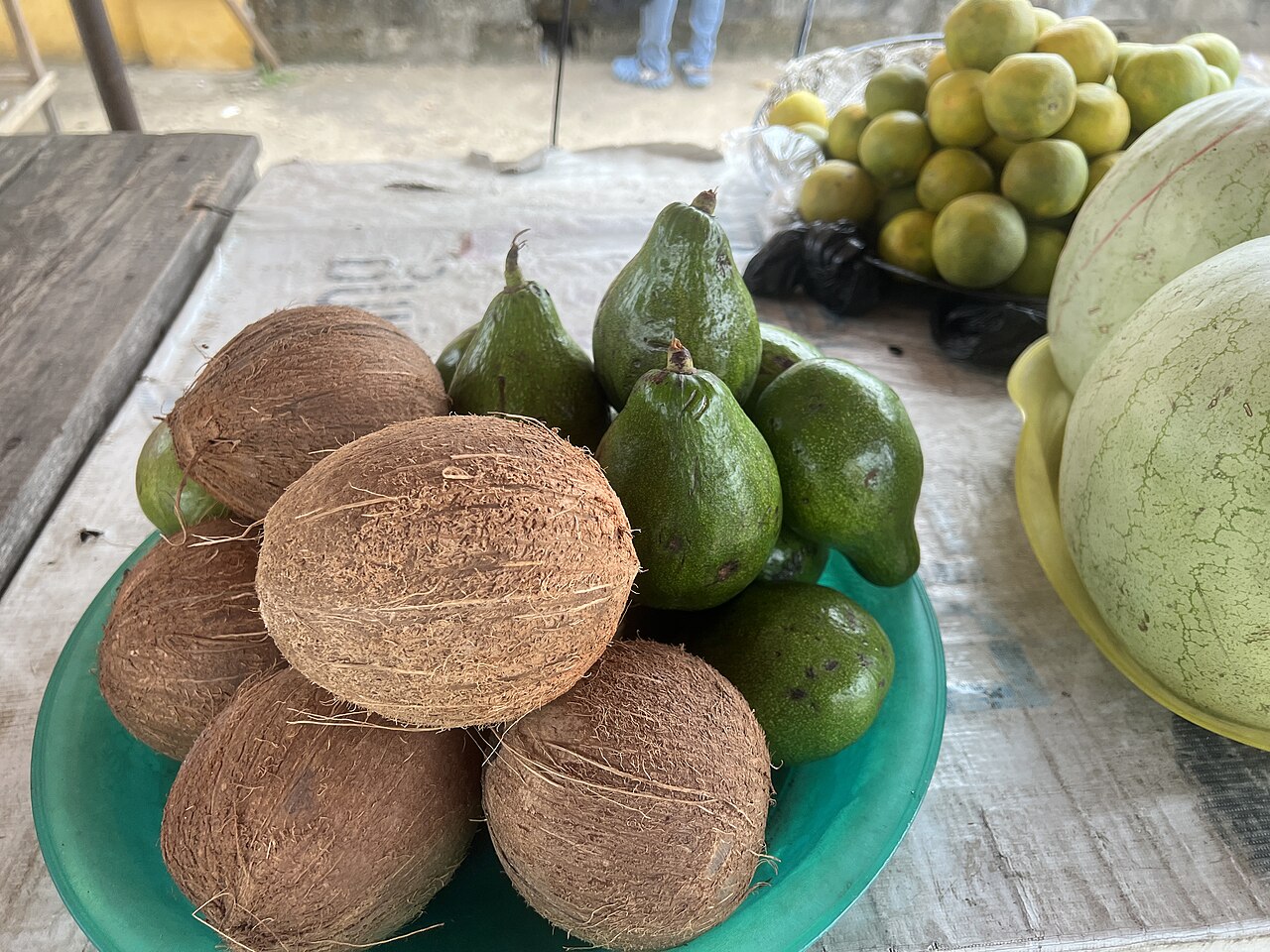
Potassium, allergy, and medication issues
Avocados are potassium-rich. That is useful in many diets but may conflict with individualized kidney-disease guidance or medicines that raise potassium. People with latex-fruit syndrome can also experience avocado allergy.
Warfarin users do not generally need to avoid avocado, but they should keep dietary patterns consistent and follow anticoagulation guidance. Any major dietary change deserves discussion when INR stability is difficult.
The evidence-based use
Use avocado as a replacement for a less favorable calorie source, not as a magic addition. The strongest recent trial supports selected lipid improvements in adults with elevated triglycerides under controlled substitution conditions.
That finding fits a broader principle: unsaturated fats and fiber can improve diet quality when they displace solid fats and refined carbohydrates. It does not justify unlimited portions, treatment claims, or assuming that avocado alone prevents heart disease.
Why controlled feeding helps
Free-living nutrition research struggles with inaccurate food recall and inconsistent adherence. Providing standardized muffins, dressings, salsas, and other foods allowed the 2025 investigators to keep calories and background diet more comparable. The crossover design also let each participant serve as their own control.
Those strengths come with limits: a three-week controlled menu may not predict long-term adherence, cost, food enjoyment, or weight change. The prepared-food delivery also differs from choosing avocados independently. A useful translation preserves the substitution principle while allowing portions and recipes to fit a sustainable real-world pattern. Long-term studies should confirm whether the short lipid changes persist without unwanted calorie gain.
Sources & further reading
This article provides educational information. Ask a qualified clinician or pharmacist about your symptoms, medical conditions, medicines and supplement interactions.