Added Sugar and Triglycerides: Why Sweet Drinks Hit the Liver Fast
Learn how frequent sweet drinks can raise post-meal triglycerides, why fructose metabolism matters, and which practical swaps make the biggest difference.
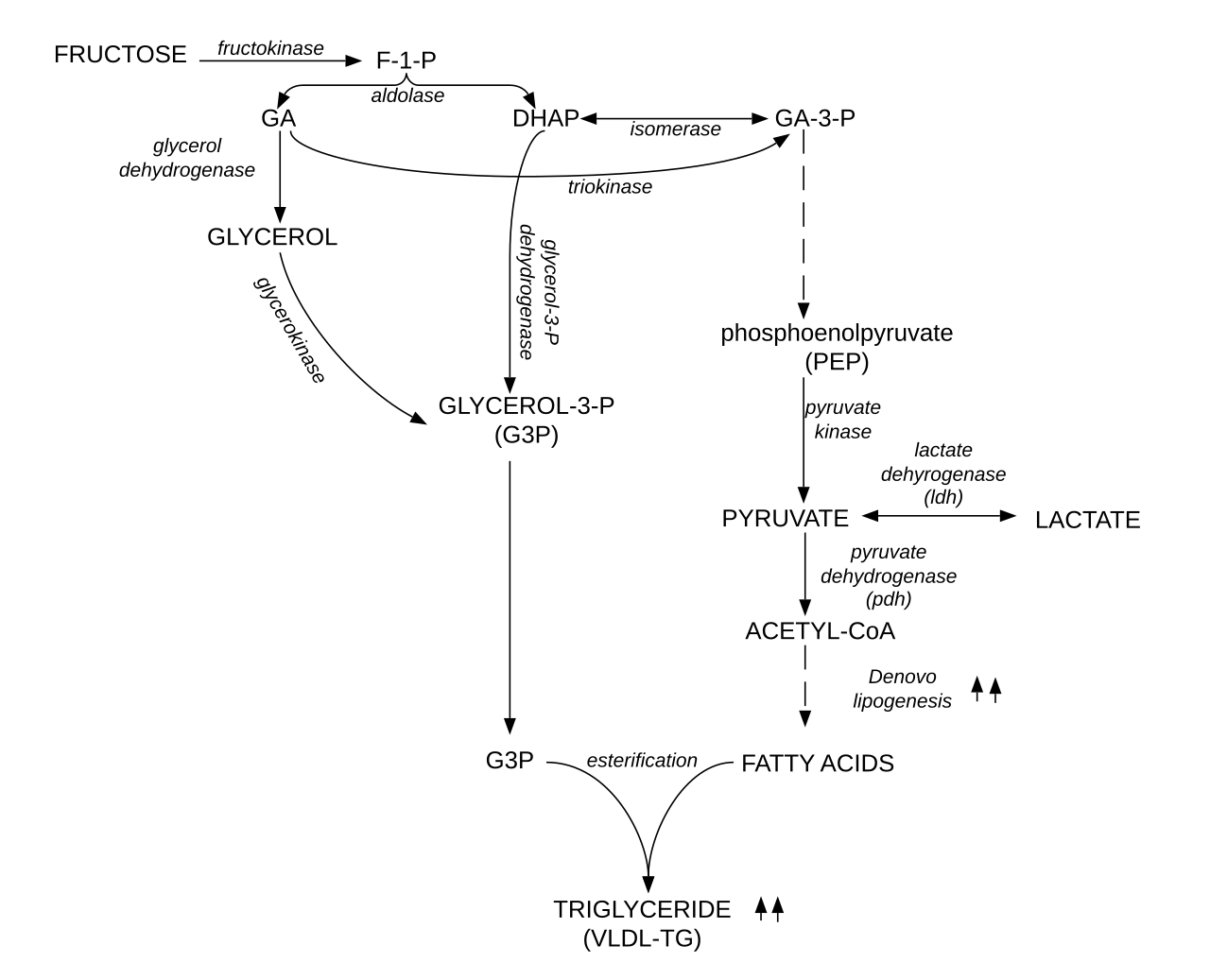
Frequent sugar-sweetened drinks can raise post-meal triglycerides and related lipoproteins; reducing liquid added sugar is a practical first step without blaming one molecule for the whole diet.
Liquid sugar reaches the liver with very little friction
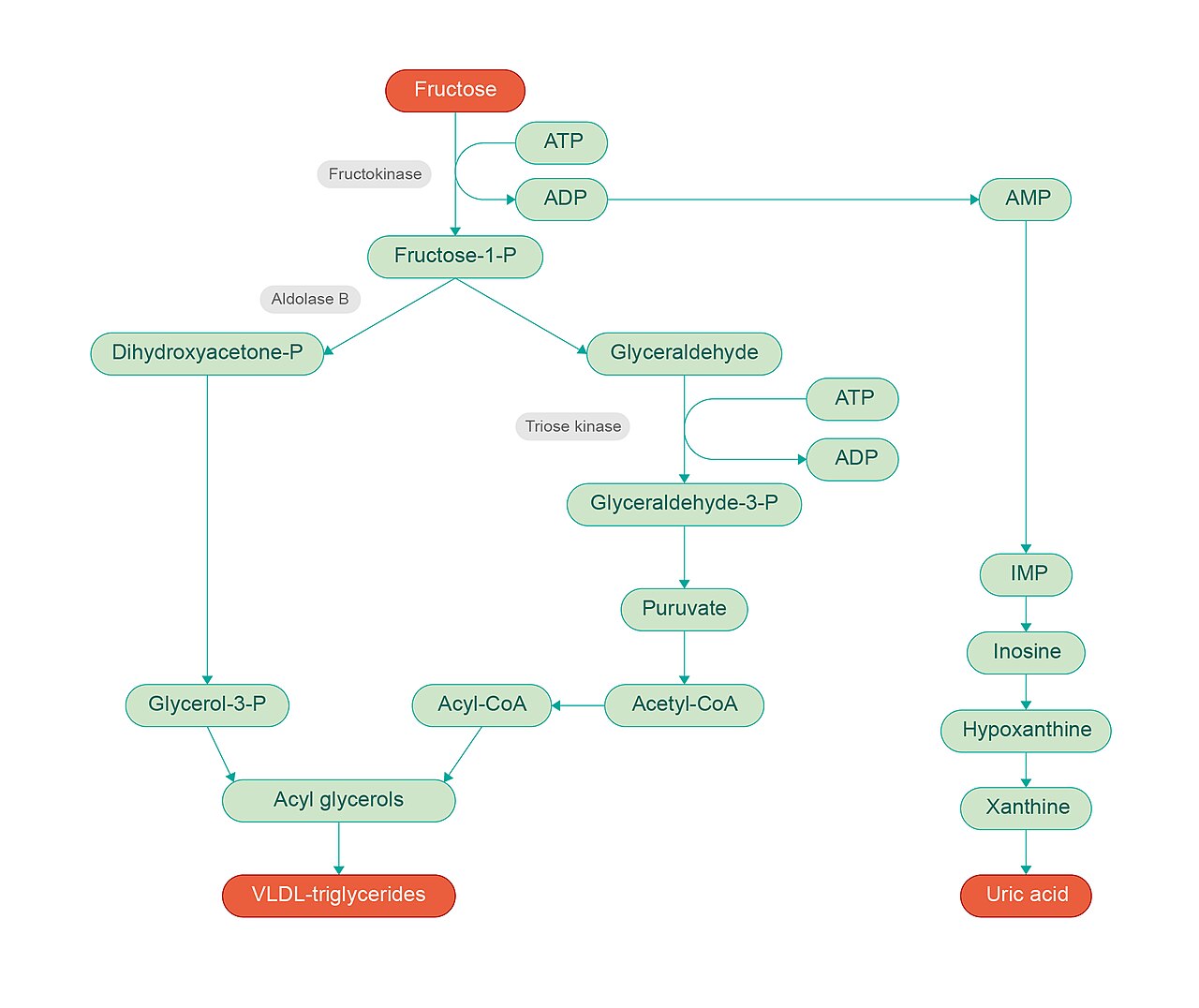
A sweet drink is easy to consume quickly and easy to add on top of a meal. That combination matters for triglycerides, the fat particles the liver packages and releases into blood. Fructose is handled largely by the liver, while glucose has broader tissue use, but real-world table sugar and high-fructose corn syrup contain both. Dose and calorie surplus remain central.
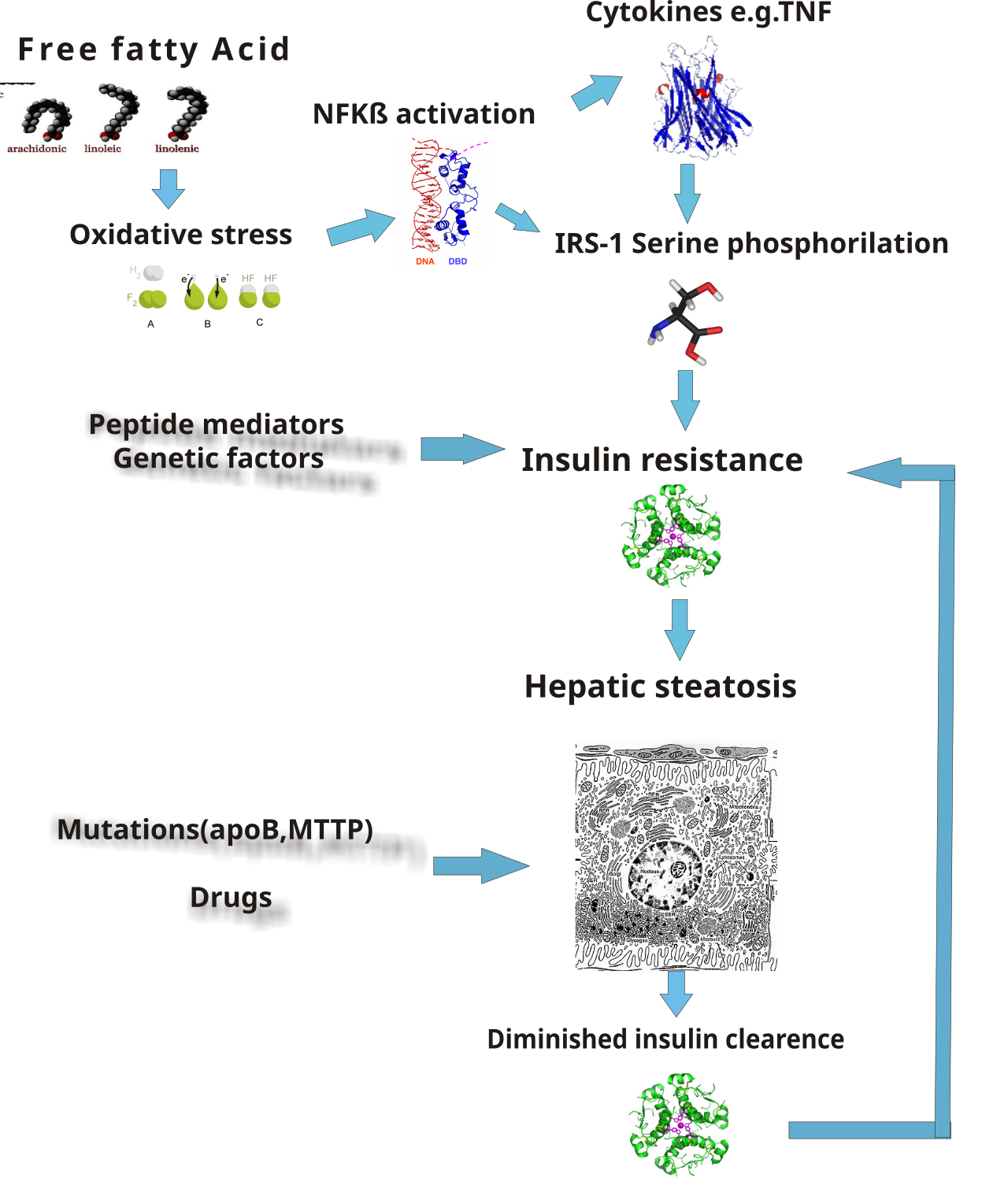
Triglycerides naturally rise after eating. The concern is a repeated, exaggerated post-meal response and a fasting level that stays high over time. Those patterns can travel with insulin resistance, fatty liver, and a more atherogenic lipoprotein profile. A single soda is not a diagnosis; a daily liquid-sugar habit is a useful place to look.
Controlled feeding studies show a consistent direction
In a randomized trial of healthy young men, several weeks of low-to-moderate sugar-sweetened beverages worsened parts of glucose and lipid metabolism, with differences among fructose, glucose, and sucrose conditions. The experiment was short and used set beverage doses, so it does not predict an individual heart event. It does show that normal-weight participants are not metabolically invisible to frequent sweet drinks.
Another controlled study compared beverages providing 25% of energy as fructose, high-fructose corn syrup, or glucose. Fructose and high-fructose corn syrup increased 24-hour post-meal triglyceride exposure, while glucose did not in the same way. ApoB and LDL-related measures also moved unfavorably in the fructose-containing groups. The dose was high, which is important when applying the result.
Fructose is not a reason to fear whole fruit
Whole fruit packages sugar with water, fiber, chewing, and a lower energy density. A large sweetened beverage delivers a concentrated dose quickly and does not produce the same fullness for many people. Controlled beverage findings therefore should not be turned into a blanket warning against berries, apples, or oranges. Food form and the surrounding diet change the exposure.
Likewise, honey, agave, cane sugar, and fruit-juice concentrates still contribute sugars. A natural-sounding source does not cancel the liver load. Juice retains some nutrients but removes much of the structure that slows intake. For triglyceride reduction, the most useful distinction is usually unsweetened versus frequently sweetened—not one fashionable sweetener versus another.
Read the number that reflects the full container
The Nutrition Facts panel lists total sugars and added sugars. Added sugars are the better clue for soda, energy drinks, sweet tea, flavored coffee, sports drinks, and many bottled smoothies. Check servings per container before doing the math. A product with 20 grams per serving and two servings in the bottle delivers 40 grams if you finish it.
Alcohol can also raise triglycerides, especially in susceptible people, and excess refined starch may contribute. Hypothyroidism, diabetes, kidney disease, genetics, and medications can be involved too. When triglycerides are very high, the priority shifts from lifestyle fine-tuning to prompt medical care because pancreatitis risk rises sharply.
Make the first swap easy to repeat
Replace the most frequent sweet drink with water, sparkling water, unsweetened tea, or coffee without added sugar. If a complete switch feels unrealistic, reduce size and frequency first. Pair that with activity, weight management when needed, adequate fiber, and a review of alcohol. These changes work together better than hunting for a triglyceride-lowering supplement.
Recheck a fasting lipid panel on the schedule your clinician recommends. If triglycerides stay elevated, review secondary causes and the entire pattern rather than assuming sugar is the only driver. The liver responds to repeated inputs. Removing the fastest, least filling sugar source is a practical benefit-led step, not a moral judgment about dessert.
A fasting result of 500 mg/dL or higher deserves timely medical attention, and much higher levels may require urgent management to reduce pancreatitis risk. At that point, diet changes remain useful but may not be enough. Prescription therapy, diabetes control, alcohol avoidance, and evaluation for genetic causes can become central. The exact plan depends on the number and the person’s full medical picture.
Sources & further reading
- Low to moderate sugar-sweetened beverage consumption impairs glucose and lipid metabolism and promotes inflammation in healthy young men: a randomized controlled trial ↗
- Consumption of fructose and high fructose corn syrup increase postprandial triglycerides, LDL-cholesterol, and apolipoprotein-B in young men and women ↗
- Added Sugars on the Nutrition Facts Label ↗