Energy Drinks, Blood Pressure, and the QT Interval: What Controlled Trials Found
Controlled trials found short-term blood pressure and ECG changes after large energy drinks. Learn what the results mean and who should be cautious.
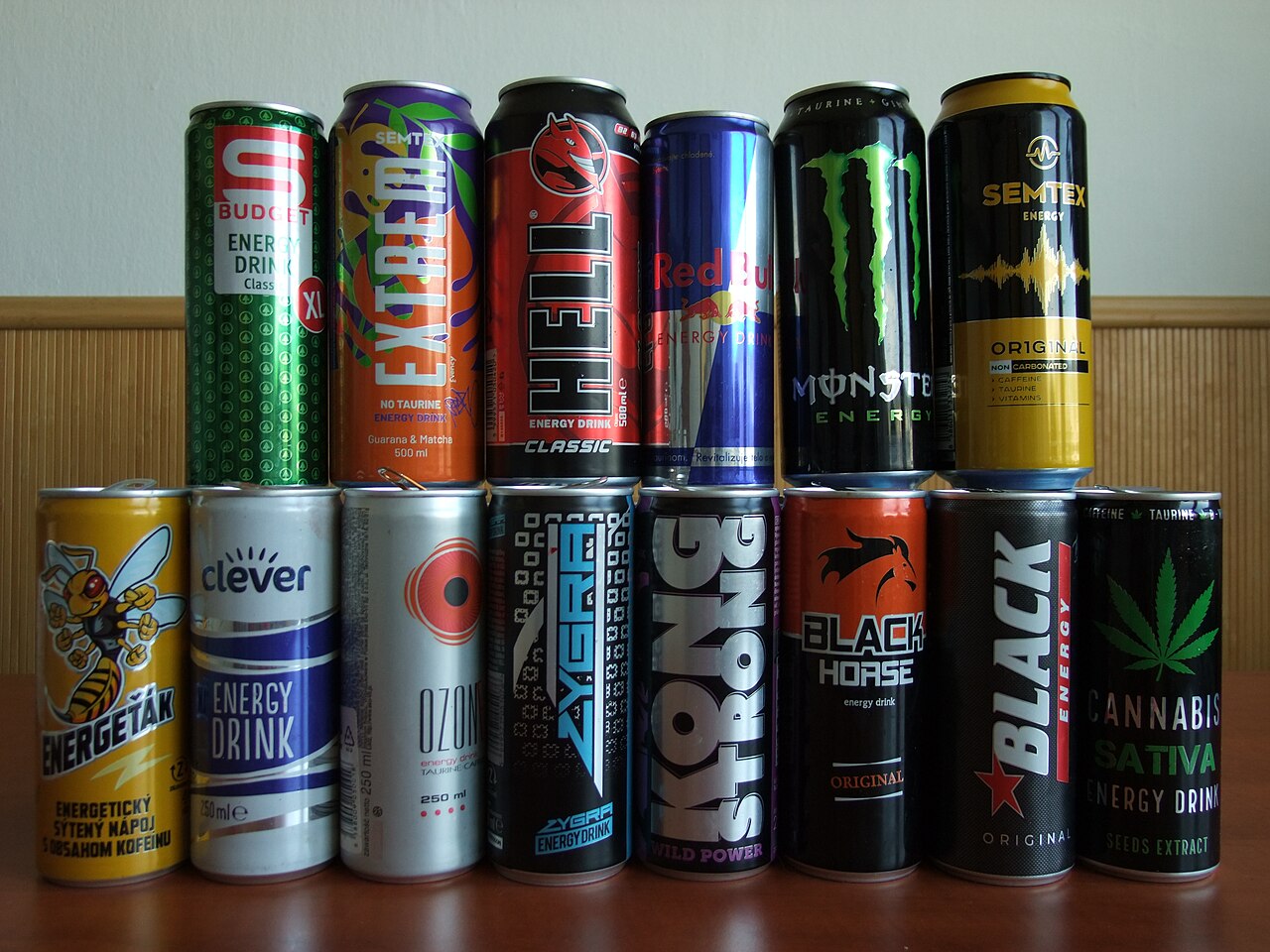
Large energy-drink servings can raise blood pressure and modestly alter cardiac electrical timing in short trials, especially beyond what the same caffeine dose alone produced.
The can is more than its caffeine number
Energy drinks can feel predictable—caffeine goes in, alertness goes up—but the heart sees the whole formula. A large can may combine caffeine with sugar, taurine, guarana, and other ingredients, sometimes across more than one labeled serving. Controlled trials suggest that this mixture can produce short-term cardiovascular changes that are not fully explained by caffeine alone.
That does not mean every can triggers an arrhythmia. Most trials enrolled small groups of healthy young adults and measured blood pressure or electrocardiograms for hours, not years. They are best at answering a narrow question: what happens shortly after a high-volume serving? They cannot tell us the long-term event rate for every formula or person.
What the randomized comparisons found
In one double-blind crossover trial, 18 healthy volunteers consumed 32 ounces of an energy drink or a caffeinated control, both providing 320 mg caffeine. The energy drink produced a larger QTc change at two hours and higher systolic pressure at six hours. The difference was temporary, and the authors called for larger trials rather than claiming clinical harm from one exposure.
Another randomized crossover study compared a 32-ounce energy drink with placebo and Panax ginseng. The energy drink raised systolic pressure and lengthened QTc modestly at two hours. Again, this was a controlled physiological signal, not proof that a healthy person will experience a dangerous rhythm. The important pattern is that large-volume products deserve more respect than ordinary caffeinated drinks.
QT is electrical timing, not a diagnosis
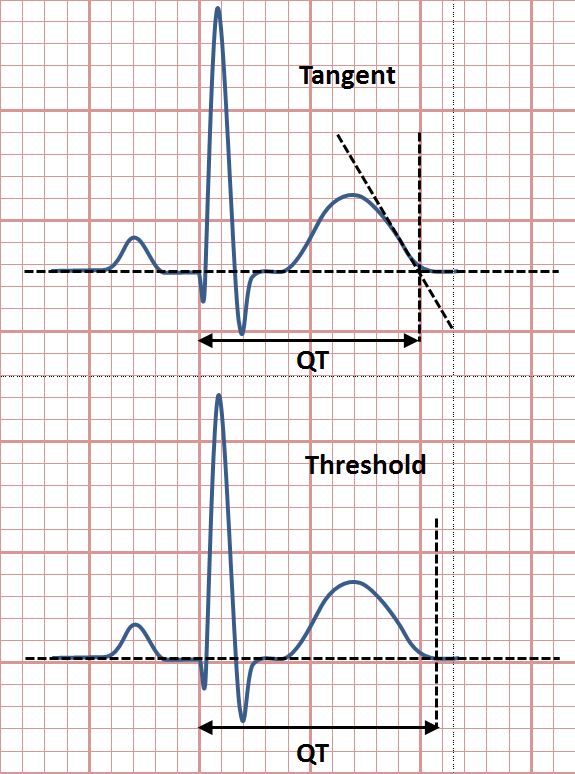
The QT interval covers the time the ventricles activate and reset electrically. Because heart rate changes that interval, researchers use a corrected value, QTc. Major prolongation can increase susceptibility to a dangerous rhythm, but a small average trial change is not the same as long-QT syndrome. Individual medication use, genetics, electrolytes, and heart disease can change the risk.
This matters for people taking medicines that already prolong QT, including some antiarrhythmics, antibiotics, antipsychotics, and antidepressants. Vomiting, diarrhea, or heavy sweating can also lower potassium or magnesium. Combining those factors with a large stimulant drink is a different situation from a healthy adult slowly drinking a small serving after food.
Sugar and serving size add separate concerns
A label may list caffeine per serving while the container holds two servings. Guarana can contribute additional caffeine, and concentrated shots make fast intake easy. Sugar raises another issue: it may add a large carbohydrate load even when the immediate stimulant effect feels identical. Sugar-free formulas remove that load, but they do not erase caffeine or other stimulant effects.
Mixing energy drinks with alcohol is especially unhelpful because stimulation can make impairment feel less obvious without reversing it. Heavy exercise adds dehydration and sympathetic activation. The safest comparison is not brand against brand; it is total caffeine, total volume, speed of intake, other stimulants, medications, and the setting in which the drink is used.
Use the label before you use the can
Check caffeine for the full container, not just one serving, and include coffee, pre-workout, tea, and medications in the same-day total. Avoid chugging a large can. People with arrhythmias, uncontrolled hypertension, congenital long-QT syndrome, pregnancy, or QT-prolonging medicines should ask a clinician before using energy drinks rather than relying on a generic caffeine limit.
Stop and seek urgent care for fainting, chest pain, or a sustained racing or irregular heartbeat. For everyone else, the practical lesson is modest: a 32-ounce energy drink is a pharmacologically busy exposure. Smaller servings, slower intake, and fewer stacked stimulants reduce uncertainty without pretending that one ingredient explains the entire cardiovascular response.
Children and adolescents need a different risk calculation because lower body size, developing sleep patterns, and accidental high intake can magnify effects. Sports and school performance are not good reasons to normalize large stimulant doses. If alertness routinely depends on an energy drink, sleep duration, medication effects, anemia, and other causes of fatigue deserve attention before the can becomes a daily solution.