Almonds, LDL, and ApoB: Small Improvements Depend on What the Nuts Replace
Review randomized almond trials, 2025 lipid evidence, portion sizes, calorie substitution, allergy safety, and limits of cardiovascular claims.

Almonds modestly improve LDL-related measures on average, especially as a substitution, but they are calorie-dense and do not independently prove event prevention.
A food substitution is the real intervention
Almonds provide unsaturated fat, fiber, protein, vitamin E, magnesium, and plant sterols. Their effect depends partly on what they replace. Swapping almonds for cookies or chips changes several nutrients at once; adding them to an unchanged diet creates extra calories.
Randomized feeding trials usually control or guide replacement more carefully than everyday eating. A product claim should disclose whether weight was maintained and what the control food contained. The word almond alone does not identify the dietary comparison.

The newest broad review found modest lipid changes
A 2025 meta-analysis included 36 publications and 48 almond-control comparisons involving 2,485 adults without cardiovascular disease. Almond consumption reduced LDL, total cholesterol, non-HDL cholesterol, ApoB, and several lipid ratios. HDL and lipoprotein(a) did not change significantly.
The average LDL reduction was about 0.13 mmol/L, or roughly 5 mg/dL. ApoB fell by about 4.6 mg/dL. These are modest changes, not evidence that almonds match medication or prevent a heart attack in an individual.
ApoB adds context but not an event outcome
ApoB approximates the number of atherogenic lipoprotein particles, making it a useful risk marker. A favorable ApoB change strengthens the biological relevance of an almond intervention, but it remains an intermediate endpoint.
No almond feeding trial large enough to test cardiovascular events was included. Marketing should not convert better ApoB or LDL values into guaranteed artery protection. The proper statement is that selected lipid risk markers improved modestly under trial conditions.
Dose and food form matter
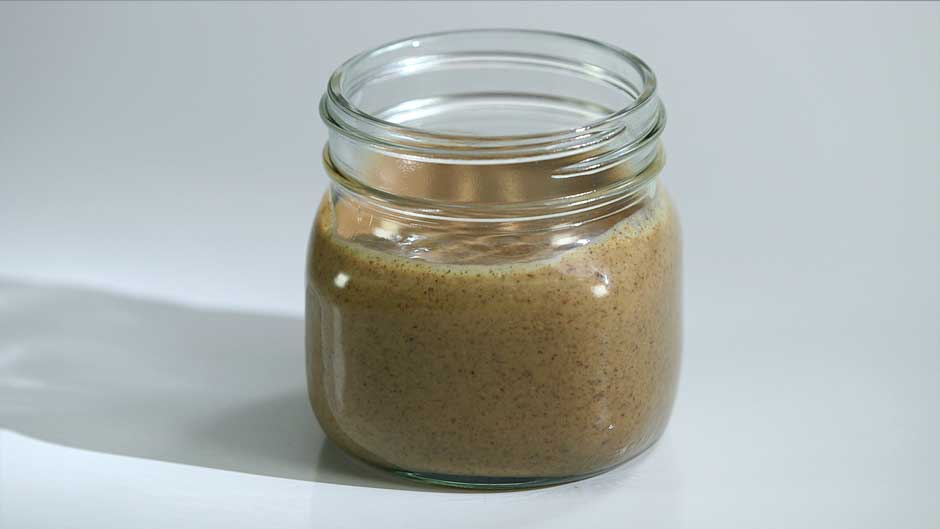
Trials commonly use about one to two ounces daily, though amounts vary. Whole almonds, almond butter, flour, sweetened beverages, and candy-coated almonds differ in fiber structure, added sugar, sodium, and calories. Almond milk often contains little almond protein unless fortified or concentrated.
Compare the actual serving, not the front-label image. A pastry made with almond flour may still be high in calories and saturated fat. A salted snack may add substantial sodium, while raw or dry-roasted nuts keep the comparison simpler.
Weight and satiety are part of the result
Nuts are energy-dense, yet some trials show little weight gain when participants naturally compensate by eating less elsewhere. That compensation cannot be assumed for everyone. Portioning and substitution help preserve the lipid benefit without creating an unwanted calorie surplus.
Eating almonds slowly or pairing a measured portion with fruit may improve satiety. Drinking calories from almond-based products may have a different effect. Track body-weight trend and hunger rather than assuming nutrient density makes portions irrelevant.
Allergy and digestive considerations
Tree-nut allergy can cause severe reactions, and cross-contact matters. People with an almond allergy should not experiment because a cardiovascular article describes potential benefit. Those with dental or swallowing limitations may need a safe alternative texture.
Larger portions can cause digestive discomfort, especially when fiber intake rises quickly. Flavored products may include sugar alcohols or inulin that add symptoms. The full ingredient list is necessary before blaming the almonds themselves.
A realistic conclusion
Almonds are a reasonable replacement for less favorable snacks or saturated-fat foods and may produce a small improvement in LDL and ApoB. The evidence does not show that more is always better or that every almond product is equivalent.
People with high LDL still need individualized cardiovascular risk assessment. Almonds can contribute to an evidence-based eating pattern while proven treatment addresses higher-risk disease. Presenting the effect at its actual scale makes the recommendation more credible and usable.
Industry funding and trial quality
Many nut trials receive commodity-board support because feeding studies are expensive. Funding alone does not determine whether a result is valid, but it makes preregistration, prespecified outcomes, complete reporting, and independent replication especially important. Reviewers should disclose sponsorship and distinguish investigator-controlled analysis from sponsor involvement.
The 2025 meta-analysis reported that lipid effects persisted in higher-quality studies, which increases confidence in a modest average benefit. It still cannot establish event prevention. Readers should look for controlled comparators, weight stability, attrition, and whether participants knew which food they received, since blinding whole foods is difficult.
Sources & further reading
This article provides educational information. Ask a qualified clinician or pharmacist about your symptoms, medical conditions, medicines and supplement interactions.