Oat Beta-Glucan and LDL Cholesterol: Dose, Processing, and the Limits of a Heart Claim
Learn how oat beta-glucan trials measured LDL changes, why molecular weight and serving size matter, and how food differs from isolated fiber.
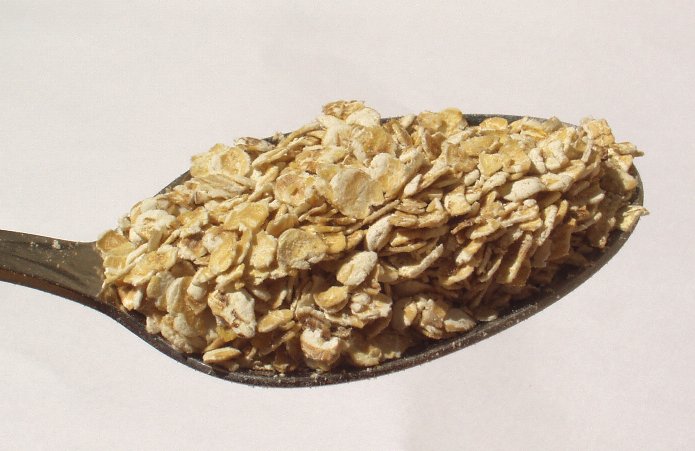
About 3 grams daily of oat beta-glucan can modestly lower LDL, but processing and product dose matter, and lipid change is not proof of event prevention.
The active fiber is specific
Oats contain beta-glucan, a soluble, viscous fiber that can alter bile-acid recycling and cholesterol metabolism. A package labeled whole grain does not reveal how much beta-glucan it supplies. Rolled oats, oat bran, cereals, beverages, and isolated powders can deliver different amounts and physical properties.
Viscosity and molecular weight influence how beta-glucan behaves in the digestive tract. Heavy processing can reduce molecular weight, so two products listing the same grams may not produce identical effects. A heart claim should identify the actual beta-glucan dose rather than relying on an oat image.
Meta-analyses support a modest LDL effect
A meta-analysis of randomized trials found that at least 3 grams of oat beta-glucan daily reduced LDL cholesterol by about 0.25 mmol/L, roughly 10 mg/dL, on average. Total cholesterol also fell, while HDL and triglycerides did not change significantly.
The trials generally lasted two to twelve weeks and included people with different starting LDL levels and health conditions. Participants with higher baseline LDL sometimes had larger reductions. The pooled average is useful for planning, but it does not guarantee the same response in every person.
A blinded beverage trial tested the dose directly
A double-blind randomized trial assigned 207 adults with borderline-high LDL to 1 gram of high-molecular-weight oat beta-glucan three times daily or rice powder for four weeks. LDL fell about 6% relative to control, and non-HDL cholesterol also improved.
Both groups reported temporary gastrointestinal symptoms. The intervention was a standardized beverage powder, not ordinary oatmeal. The result supports the importance of dose and molecular weight, but it should not be used to claim that any oat snack produces an identical effect.
Whole oats and isolated fiber are different choices
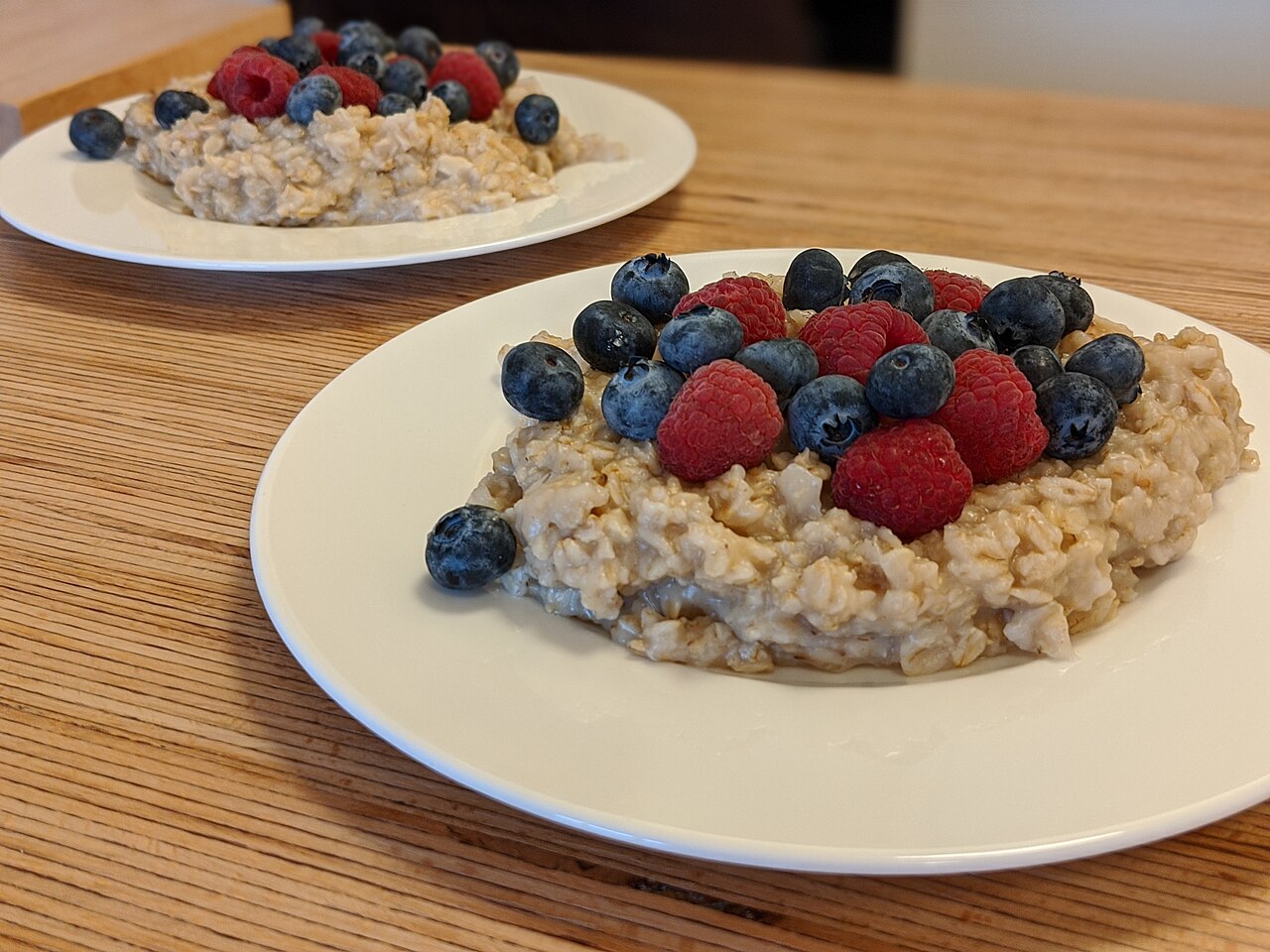
Whole-oat foods provide protein, micronutrients, and other fiber, while an isolated beta-glucan powder targets a narrower exposure. A 2023 review found lipid improvements with both whole oats and isolated beta-glucan, but the food format can change calories, sugar, sodium, and satiety.
Sweetened cereal may supply enough beta-glucan while also adding substantial sugar. Instant packets can vary widely. Compare beta-glucan grams, serving size, added sugar, sodium, and calories instead of assuming that every bowl is equally heart supportive.
Fiber tolerance and medicine timing
Increasing viscous fiber quickly can cause bloating, gas, or changes in bowel habits. Gradual introduction and adequate fluid may improve tolerance. People with swallowing difficulty, bowel narrowing, or unexplained digestive symptoms should seek individualized advice before using concentrated powders.
Fiber can affect the timing or absorption of some oral medicines. A pharmacist can give product-specific instructions. A universal two-hour rule should not replace directions for a particular medicine, especially when narrow therapeutic dosing is involved.

LDL reduction is not event proof
LDL is an established cardiovascular risk factor, but these oat trials measured laboratory changes rather than heart attacks or strokes. The effect is also smaller than that of indicated lipid-lowering medicines. Oats can complement treatment without replacing it.
A product should not turn a short-term LDL result into claims that it clears arteries or prevents cardiovascular events. The precise evidence is already useful: a standardized amount of viscous oat beta-glucan can modestly lower LDL within a broader eating pattern.
Using the evidence practically
Choose a product that states beta-glucan content, then calculate the daily amount from the serving actually eaten. Replace a refined breakfast or snack rather than adding calories automatically. Monitor the whole diet, because saturated fat and weight change can overwhelm a small fiber effect.
If LDL is high, discuss overall risk and repeat testing with a clinician. A measured food intervention can be worthwhile, but the decision about medication, familial hypercholesterolemia, or secondary prevention cannot be made from an oat label alone.
Processing can change viscosity
Beta-glucan works partly by forming a viscous solution in the gut. Baking, extrusion, freezing, fermentation, and enzymatic treatment can change molecular size and viscosity even when the nutrition panel lists the same fiber grams. Research products sometimes characterize these properties more carefully than commercial foods.
Consumers usually cannot calculate molecular weight from a label, so the practical safeguard is to choose products that disclose oat beta-glucan grams and cite a comparable trial. If a product makes a cholesterol claim with only total fiber listed, ask whether the relevant soluble fiber amount is actually present. Texture, convenience, and tolerance also affect whether the daily dose is sustainable.
Sources & further reading
This article provides educational information. Ask a qualified clinician or pharmacist about your symptoms, medical conditions, medicines and supplement interactions.