Soy Protein and LDL Cholesterol: A Small Average Effect, Not a Standalone Heart Treatment
Understand soy protein trials, FDA claim controversy, product forms, food substitution, and the difference between LDL changes and heart events.
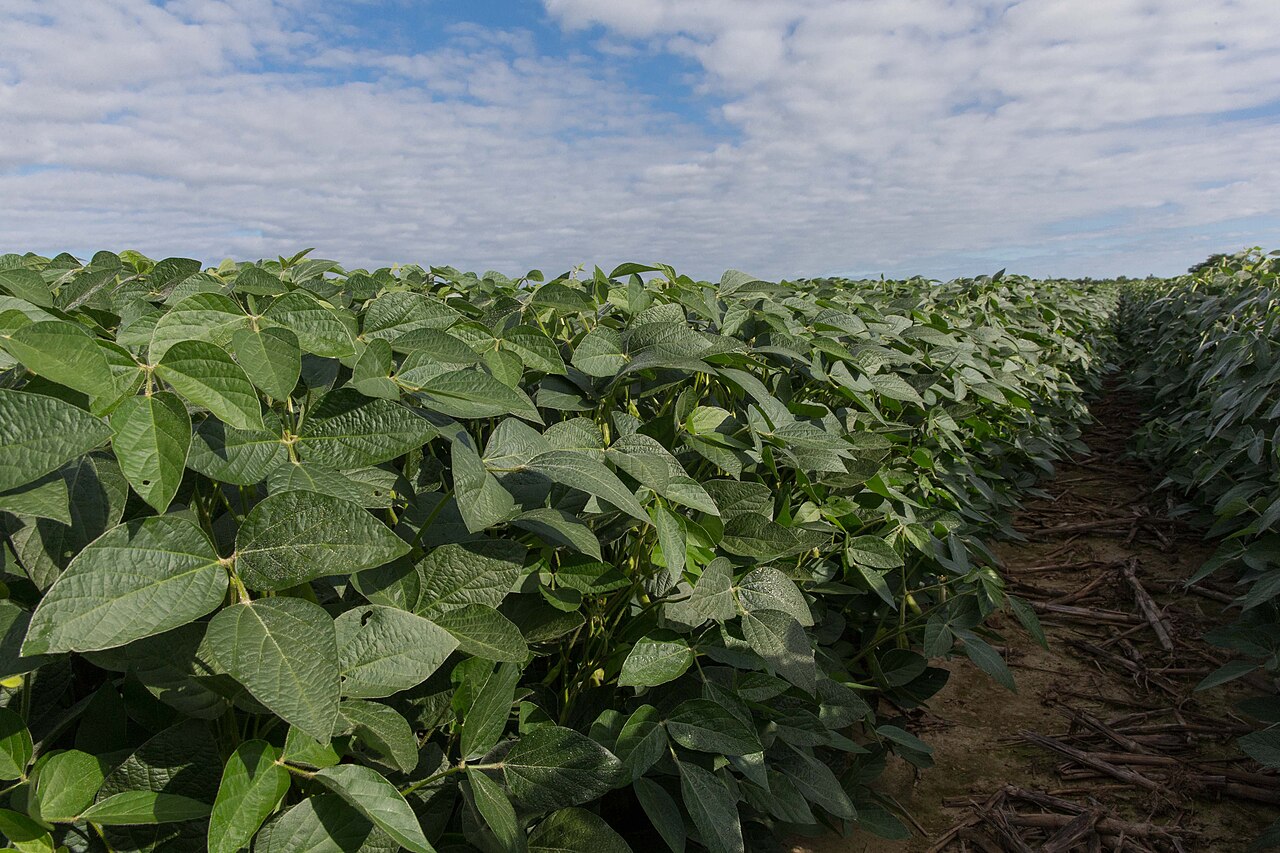
Soy protein can modestly lower LDL on average, especially when it replaces animal protein, but products and trial results vary and event prevention is unproven.
Soy foods and isolated protein are not identical
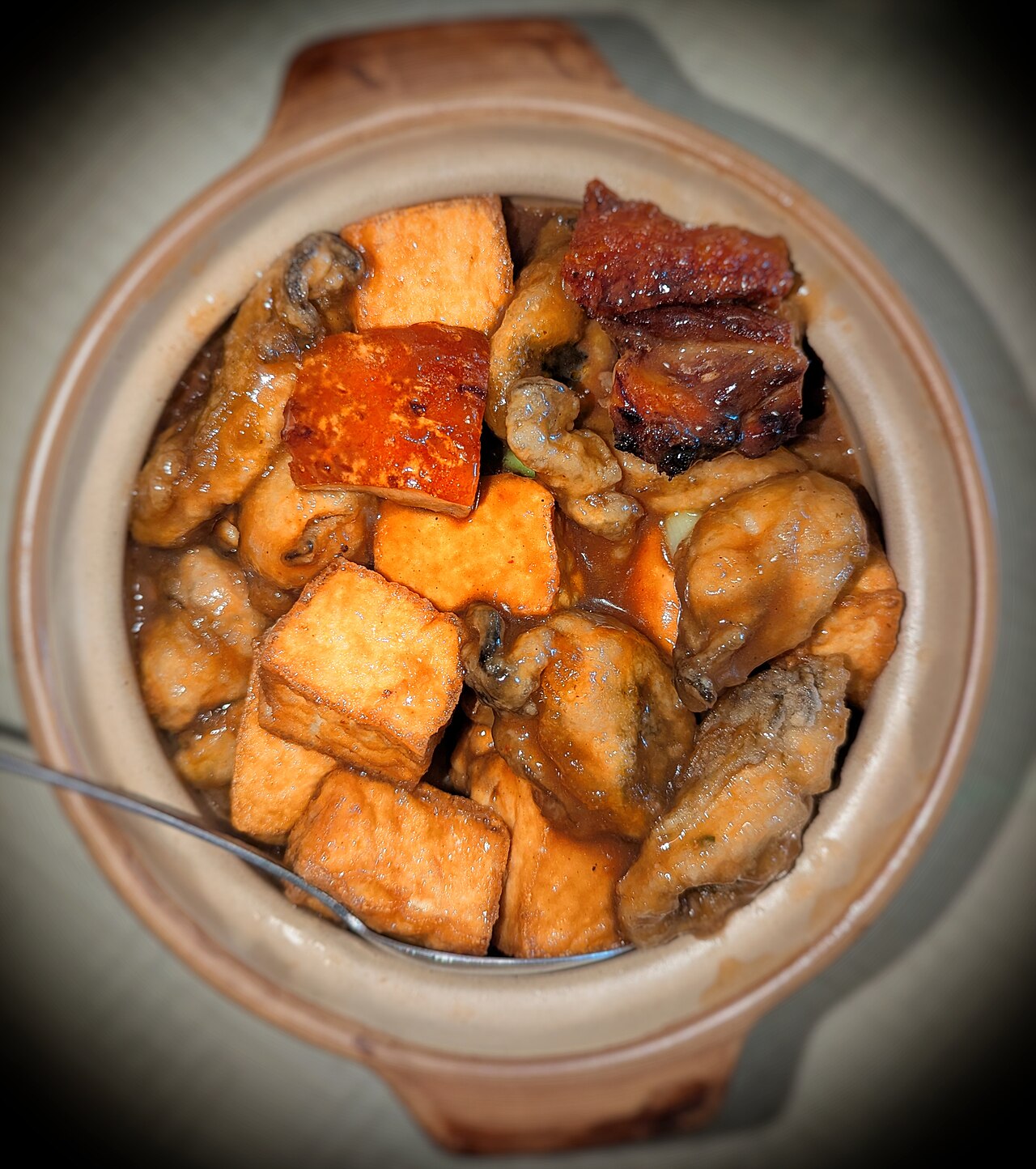
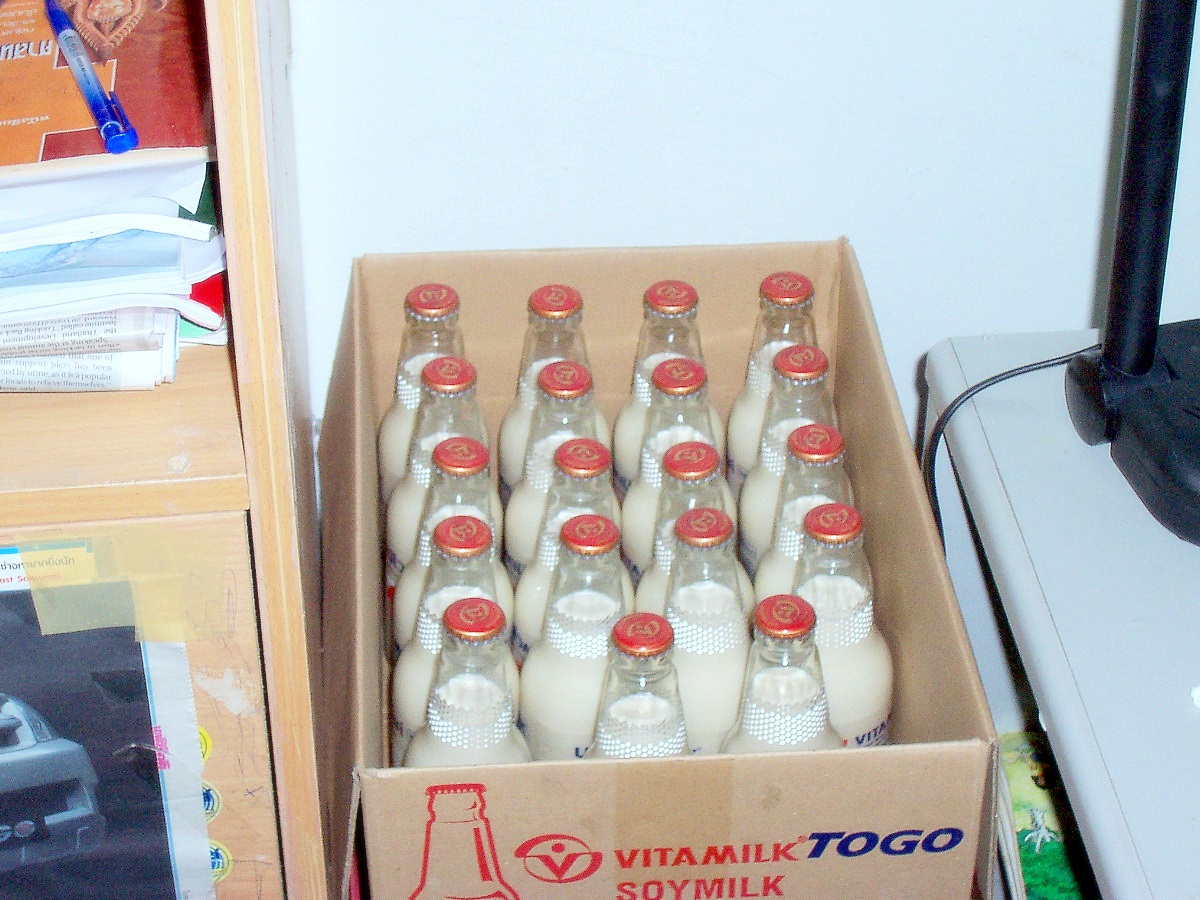
Tofu, tempeh, edamame, soy milk, soy flour, and isolated soy protein provide different amounts of protein, fiber, fat, isoflavones, sodium, and added ingredients. A trial of isolated protein powder cannot automatically validate a sweetened beverage or a small amount of soy flour in a snack.
The comparator also matters. Replacing cheese or fatty meat with tofu changes saturated fat and calories along with soy exposure. Adding a soy product without removing anything asks a different question. Heart-health claims should identify both what was added and what it displaced.
The average LDL effect is modest
A meta-analysis of 46 trials identified during FDA’s review found that soy protein lowered LDL cholesterol by roughly 3% to 4% on average. Most individual estimates pointed toward benefit, but many trials were small and not independently statistically significant. The pooled result describes an average, not a guaranteed response.
Earlier reviews of about 25 grams of soy protein daily also found small reductions in LDL and total cholesterol. This amount is much larger than the token soy content in some processed foods. The effect is clinically narrower than a claim that soy prevents heart disease.
Individual trials illustrate variability
A randomized trial comparing soy and milk protein supplementation found lower LDL with soy under controlled conditions. Another double-blind trial using whole soy flour in muffins did not lower LDL in adults with high cholesterol. Differences in preparation, dose, comparator, participant characteristics, and background diet may help explain inconsistent findings.
This variability is not evidence that all studies are wrong. It shows why a seller should cite research on a comparable form and amount rather than assembling a bibliography of unrelated soy interventions. A proprietary blend should disclose how much soy protein it actually provides.
An LDL claim is not an event claim
Lower LDL is an established treatment target, but the magnitude and method matter. Soy-food trials generally measure lipids over weeks or months; they do not demonstrate that one packaged product prevents myocardial infarction or stroke. The expected change is also smaller than that produced by indicated lipid-lowering medicines.
People with high cardiovascular risk should not substitute soy powder for prescribed therapy. Soy can contribute to a dietary pattern while medication addresses a different level of risk. Both statements can be true without inflating a food effect into a treatment equivalence.
Labels, allergies, and thyroid medicine
Choose products by protein amount, added sugar, saturated fat, sodium, and overall ingredients. Soy is a major allergen, so cross-contact and ingredient labeling matter. Highly processed meat substitutes can vary widely in sodium and fat despite a plant-based front label.
Soy foods can interfere with absorption of levothyroxine when timing is inconsistent. People using thyroid hormone should follow their prescriber’s instructions and maintain a stable routine rather than avoiding soy automatically. Individual iodine status and thyroid disease questions should be handled separately from cholesterol claims.
A realistic use of the evidence
The research supports soy protein as one candidate substitution that may modestly improve LDL. It does not show that isoflavone pills, every soy food, or a few grams hidden in a snack will do the same. Compare the tested dose and form before applying a result.
A useful plan replaces a less favorable protein source with minimally processed soy foods while monitoring total diet quality and clinical risk. If LDL remains high, seek appropriate assessment. Modest nutritional effects matter, but they become more credible—not less—when presented at their true scale.
Isoflavones are a separate question
Soy protein naturally contains varying amounts of isoflavones, while some supplements isolate or concentrate them. Evidence that soy protein modestly lowers LDL does not prove that an isoflavone pill has the same effect. Protein displacement and isoflavone exposure are different mechanisms.
People with a history of hormone-sensitive conditions often encounter conflicting advice. Food amounts and concentrated supplements should be discussed separately with the treating clinician. A broad statement that all soy is either protective or dangerous is less useful than identifying form, dose, health history, and the specific outcome under consideration.
Sources & further reading
This article provides educational information. Ask a qualified clinician or pharmacist about your symptoms, medical conditions, medicines and supplement interactions.