Antiseptic Mouthwash and the Nitrate Pathway: A Small Blood Pressure Tradeoff to Know
How strong antiseptic mouthwash can interrupt oral nitrate conversion, what small human trials found, and how to protect oral health without overreacting.
Antiseptic mouthwash can temporarily reduce nitrate-to-nitrite conversion and slightly raise blood pressure in small studies, but it should not be stopped when a dentist recommends it for a clear reason.
Your mouth helps finish the nitrate story
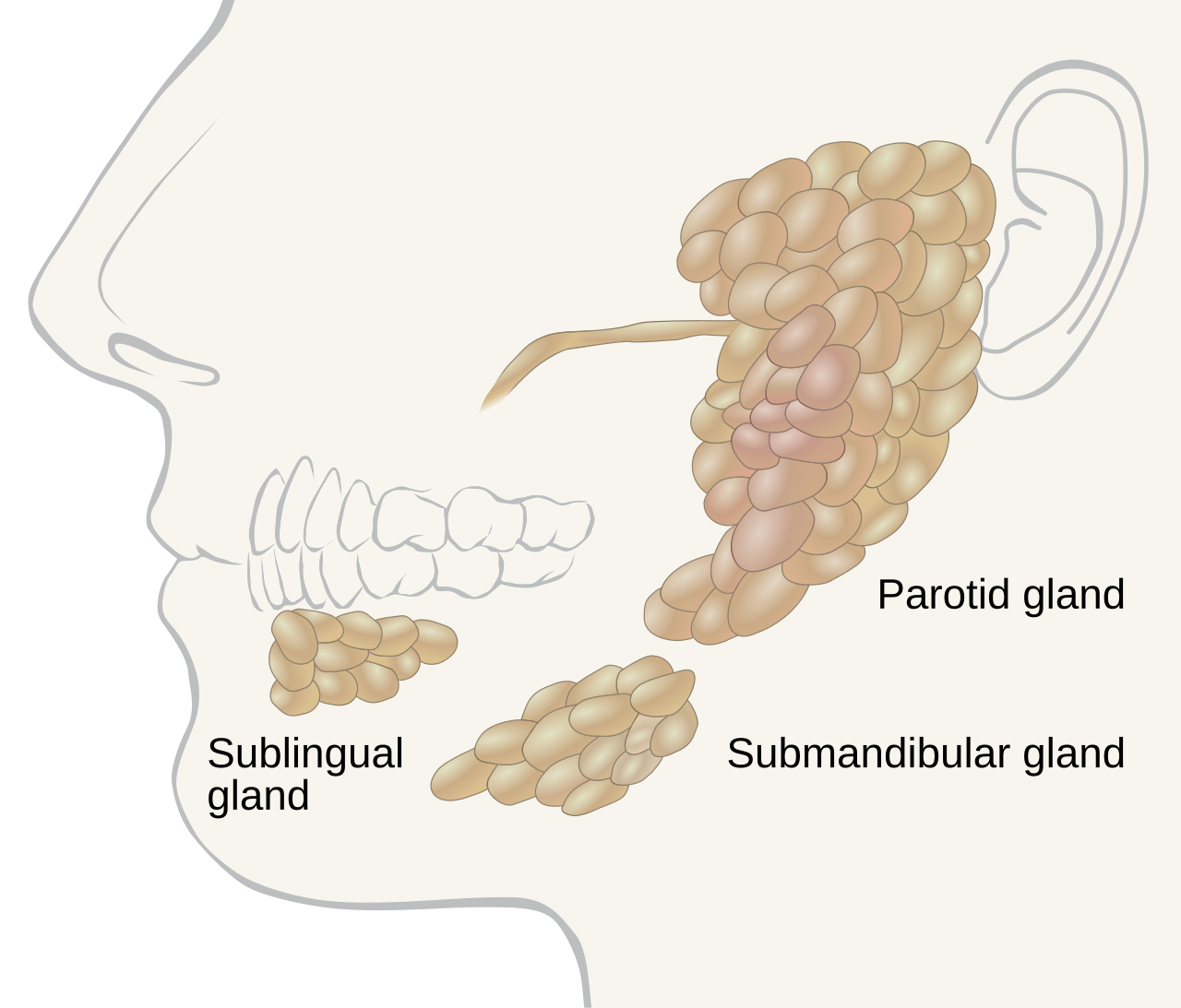
A serving of nitrate-rich vegetables does not act alone. After nitrate enters the bloodstream, the salivary glands concentrate some of it back into saliva. Bacteria on the tongue then reduce nitrate to nitrite. Once swallowed, that nitrite can contribute to nitric oxide, a short-lived signal that helps blood vessels relax. This mouth-to-blood loop is why oral hygiene products have entered the blood pressure conversation.
The key word is contribute. Nitric oxide also comes from an enzyme pathway built around arginine, and blood pressure reflects many systems at once. Mouthwash is therefore not a hidden on-off switch for circulation. It is one influence on a specific pathway, and controlled studies have looked mainly at short-term biochemical changes and small shifts in pressure—not heart attacks, strokes, or long-term treatment outcomes.
What antiseptic mouthwash changed in human studies
In a seven-day crossover experiment, Kapil and colleagues found that twice-daily antiseptic mouthwash lowered salivary and plasma nitrite and raised clinic blood pressure. The design was useful because the same participants experienced both conditions, but it was small and short. It showed that oral bacteria have a measurable physiological role; it did not show that ordinary mouthwash use causes cardiovascular disease.
A separate three-day crossover study in treated hypertension reached a similar direction. Antibacterial mouthwash reduced oral nitrate conversion and raised systolic pressure by an average 2.3 mm Hg compared with water, while diastolic pressure did not significantly change. That is a modest average effect, and individual responses may differ. The finding is best read as a pathway signal, not a reason to replace prescribed blood pressure care.
Not every rinse has the same purpose
A strong antiseptic rinse used daily is different from fluoride rinse, a mild cosmetic rinse, or a short course prescribed after dental work. Formulas, active ingredients, timing, and frequency matter. If a dentist recommends chlorhexidine or another antimicrobial for gum disease or surgery, the oral-health benefit may outweigh a theoretical nitrate concern. Untreated periodontal disease is not a heart-friendly alternative.
The studies also do not prove that moving mouthwash to a different hour preserves nitrate benefits. It is reasonable to avoid treating a powerful antiseptic as an automatic daily habit when there is no clear need, but timing tricks remain less certain than the basic evidence. Ask what the rinse is for, how long to use it, and whether a non-antiseptic option can meet the same dental goal.

Beetroot products still need a real dose check
Beetroot is a familiar nitrate source, yet beetroot powder weight is not the same as nitrate content. Farming, processing, storage, and testing can change the amount delivered. A capsule listing milligrams of beetroot without quantified nitrate cannot be matched directly to a beverage used in a clinical trial. That distinction matters more than a bright front-label circulation claim.
People taking nitrate medications, multiple blood pressure drugs, or medicines that affect potassium or kidney function should not stack circulation products casually. Low pressure, dizziness, and drug interactions deserve more attention than chasing a bigger nitric oxide number. A home cuff can provide useful context, but repeated readings and clinician guidance are more informative than reacting to one measurement.
A practical way to use the evidence
VitaVein is a beetroot capsule positioned around heart health and circulation. Its presence in this category makes the mouthwash question relevant, but the finished product should be judged by its actual label; a beetroot amount is not automatically a standardized nitrate dose, and ingredient research is not proof that the capsule prevents cardiovascular events.
Keep the practical order simple: maintain brushing and interdental cleaning, use an antiseptic when a dental professional gives a clear reason, and do not stop prescribed dental or blood pressure treatment on the strength of a small trial. If a daily rinse is optional, ask whether a gentler product is enough. That preserves oral care while respecting a surprisingly useful role for tongue bacteria.