Garlic Supplements for Cholesterol: Small Effects and an Important Bleeding Question
Review garlic supplement evidence, modest cholesterol effects, formulation differences, bleeding concerns, and the distinction between food and concentrated products.
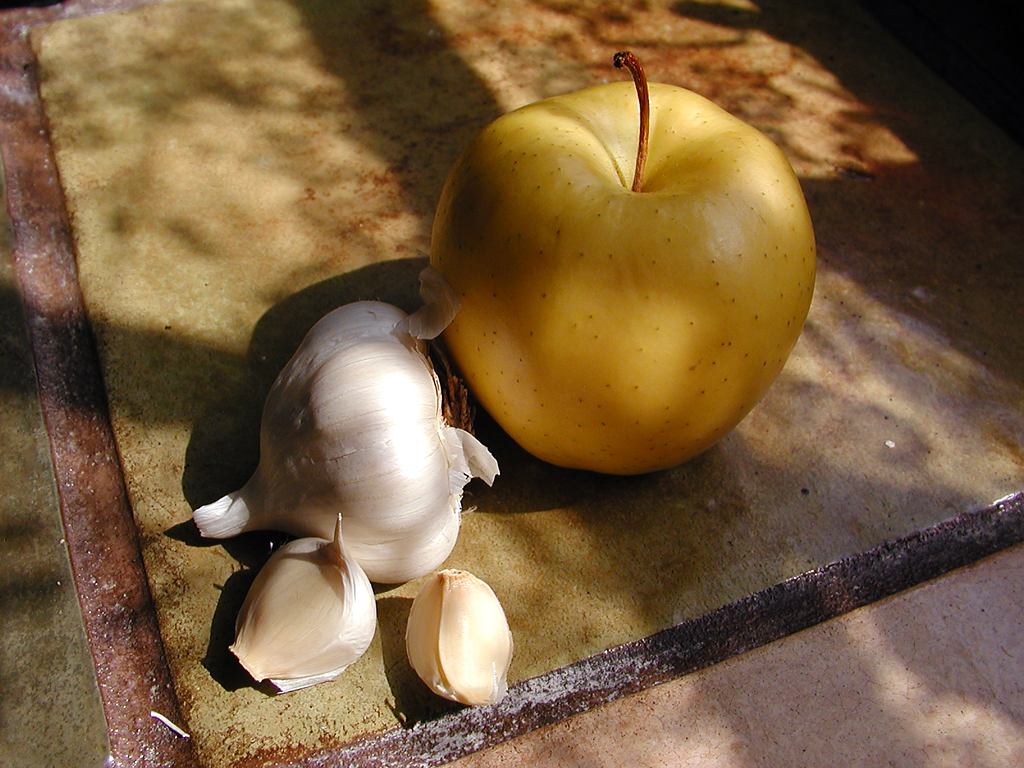
Garlic supplements may have small effects on cholesterol in some people, but formulation and bleeding-related interactions deserve attention.
Cooking with garlic is not the same decision
Garlic is a familiar food ingredient, which can make a concentrated supplement seem like an ordinary extension of cooking. Yet a capsule can deliver a different preparation and exposure. The evidence and safety discussion should identify that difference before borrowing the familiarity of a food to support a clinical claim.
A person might choose garlic for flavor without asking it to change a laboratory result. Someone buying a supplement for cholesterol is asking a different question. That question requires research on the relevant preparation, population, and outcome, rather than a general history of how long garlic has been used in meals or traditional practices.
Keep the scale of the effect visible
NCCIH reports that garlic supplements may reduce total and LDL cholesterol to a small extent in people with high cholesterol. It also describes limited evidence for small blood pressure effects in people with high blood pressure. These are qualified findings, not a promise that a garlic product will replace a treatment plan.
Read the amount of change rather than only whether a study found a statistical difference. A modest average can be useful to understand while still falling short of a buyer's expectations. A responsible article preserves the words indicating scale and uncertainty instead of presenting a broad claim that garlic protects the heart.
Preparations can change the comparison
Garlic powders, oils, aged extracts, and other preparations should not be assumed to have interchangeable composition. Processing can influence the substances delivered. If a study is cited, identify the tested preparation and whether the retail product resembles it in a meaningful way.
A seller's bibliography may contain research on several forms without demonstrating that the marketed formulation produced the advertised result. Ask for the direct evidence. Also check the serving size and other ingredients, since a heart health blend may add minerals or additional botanicals. Those details create a different product from garlic alone, with separate questions about effectiveness and unwanted effects.
The bleeding concern belongs near the top
NCCIH warns that garlic supplements may increase bleeding risk, particularly in relation to anticoagulants, aspirin, or surgery. This is a practical reason to disclose supplement use to health professionals. The issue can matter even when the product is bought for cholesterol rather than for an effect on bleeding.
Bring the actual label and describe how often it is used. Do not independently stop medicines or alter a procedure plan based on a general article. The treating team can evaluate the specific situation. Natural origin and long culinary use do not answer the question of how a concentrated preparation interacts with a person's current treatment.

Other effects and circumstances also matter
NCCIH lists possible digestive complaints, odor, and allergic reactions with oral garlic. It also notes uncertainty or safety concerns for amounts beyond ordinary food use during pregnancy and breastfeeding. These considerations show why the product and the person both need to be identified before giving reassurance.
A useful safety conversation includes all supplements, not only the one most recently purchased. Several products can affect the same clinical issue, and their brand names may not reveal the overlap. FDA's guidance on mixing medicines and supplements emphasizes discussing combinations with a health professional. Product quality information can help, but it cannot substitute for reviewing relevant interactions.
Evaluate a defined contribution to care
The meaningful purchase question is what this formulation is likely to add, how strong the evidence is, and whether that potential contribution is appropriate given existing treatment. Include cost and the practical burden of continued use. A modest possible effect should be presented as modest before an automatic subscription turns it into an ongoing expense.
Garlic research can be discussed without either dismissing it or inflating it. The balanced conclusion is that some cholesterol findings are favorable but small, formulations differ, and bleeding-related interactions deserve prominent attention. Keeping those points together gives readers a clearer basis for a clinician or pharmacist conversation than a general promise of natural cardiovascular support.
Sources & further reading
This article provides educational information. Ask a qualified clinician or pharmacist about your symptoms, medical conditions, medicines and supplement interactions.