Licorice Can Raise Blood Pressure and Lower Potassium: The Glycyrrhizin Connection
Real licorice can raise blood pressure and lower potassium. Learn how glycyrrhizin works, where it hides, and who needs extra caution.
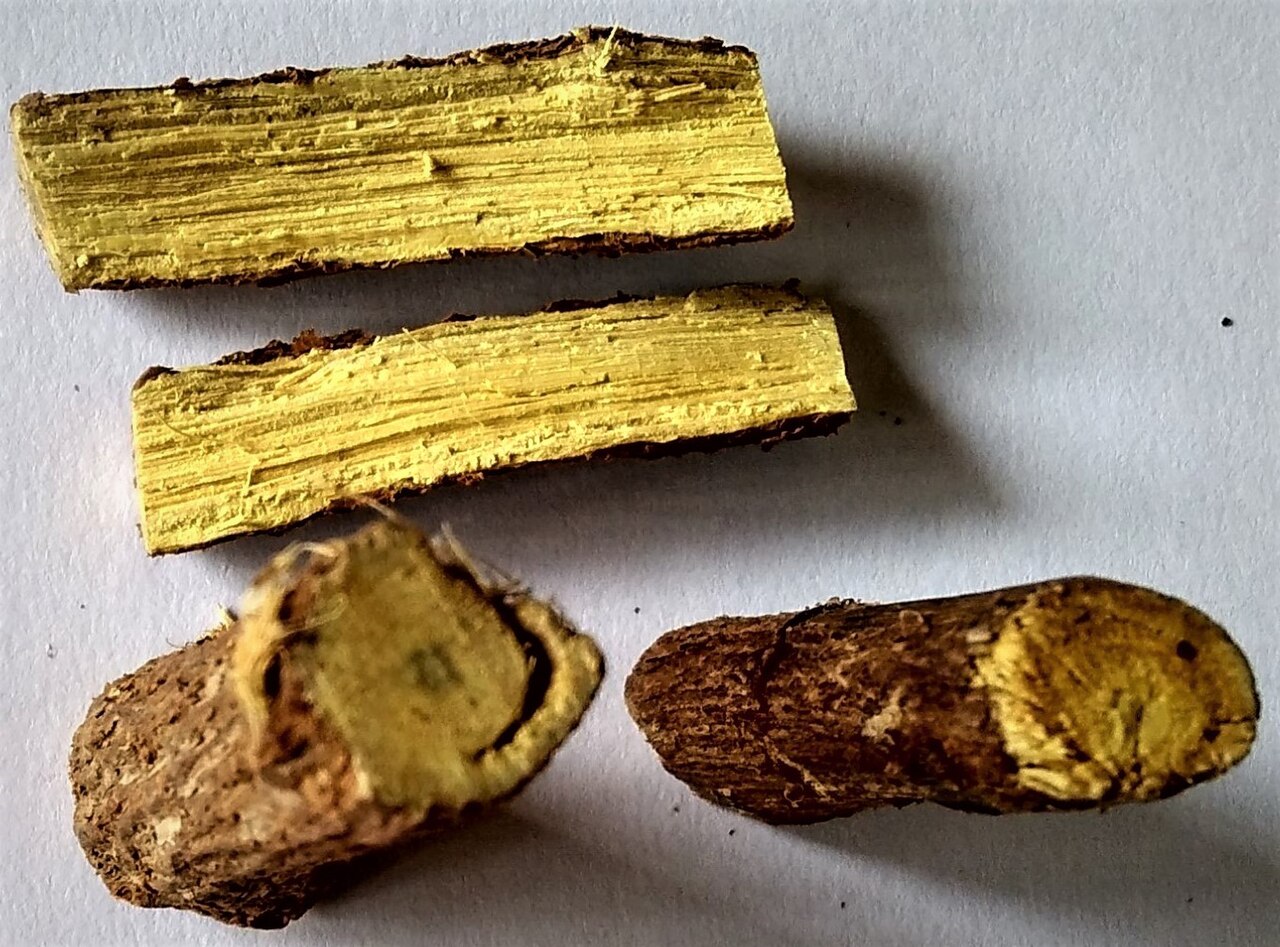
Repeated intake of glycyrrhizin-containing licorice can retain sodium, lower potassium, and raise blood pressure—even at amounts some people may consider modest.
Licorice can act more like a drug than a flavor
Real licorice root is not just a sweet herbal note. Its glycyrrhizin can change kidney hormone signaling, causing the body to retain sodium and water while losing potassium. The result may be higher blood pressure, swelling, weakness, or an abnormal heart rhythm. That is a more specific risk than the vague warning that too much candy is unhealthy.
Not every black candy contains licorice root; many use anise flavor. The ingredient list is decisive. Look for licorice, liquorice, Glycyrrhiza glabra, licorice root extract, or glycyrrhizin. Teas, herbal blends, chewing tobacco, digestive products, and supplements can contribute too, so the total exposure may be less obvious than one bag of candy.
A 2024 trial found an effect at a lower dose
In a randomized crossover trial, 28 healthy adults consumed licorice providing 100 mg glycyrrhizic acid daily or a control product for two weeks. Home systolic pressure rose by about 3.1 mm Hg during licorice compared with control, while renin and aldosterone were suppressed. The trial was small and short, but the controlled design makes the physiological effect hard to dismiss.
Older dose-response work also found systolic pressure increases across licorice doses consumed for two to four weeks. Responses varied, yet the average rise tracked the dose. These studies do not establish one universally safe candy amount because glycyrrhizin content differs between products and susceptibility differs between people. They do show why a front label saying natural is not enough.
The kidney mechanism explains the warning signs
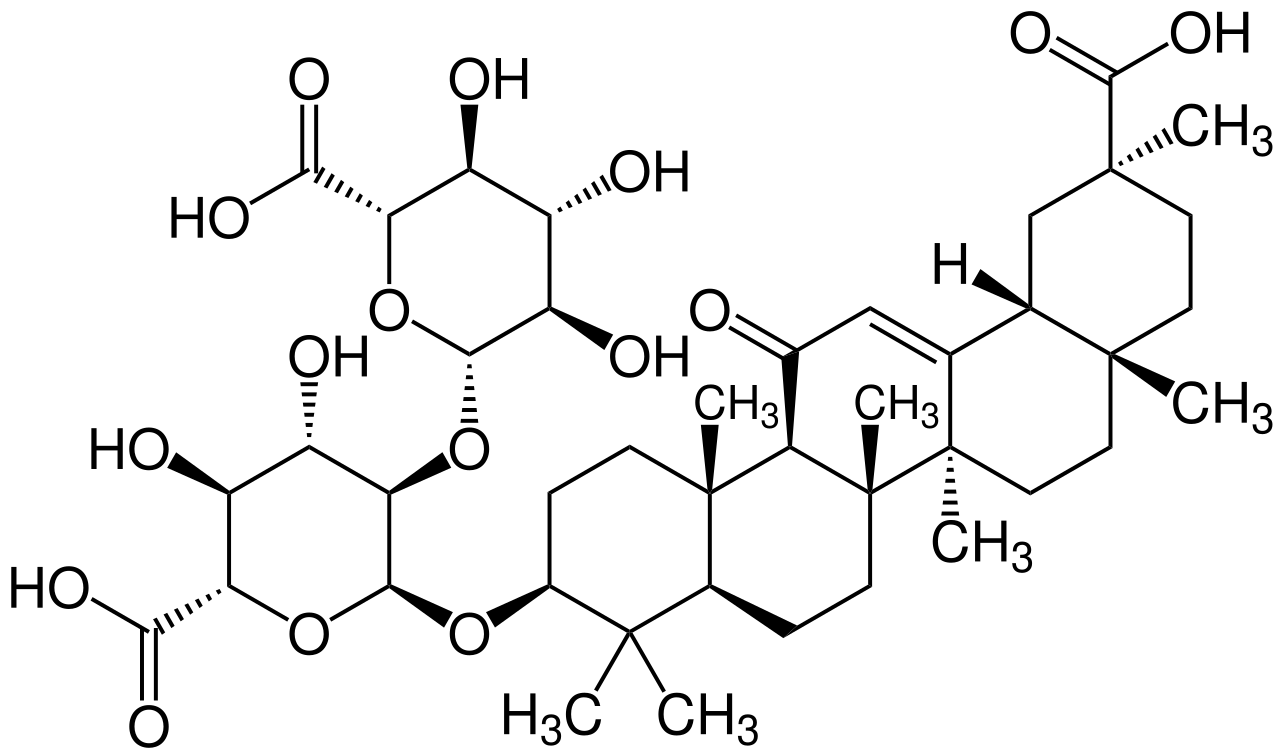
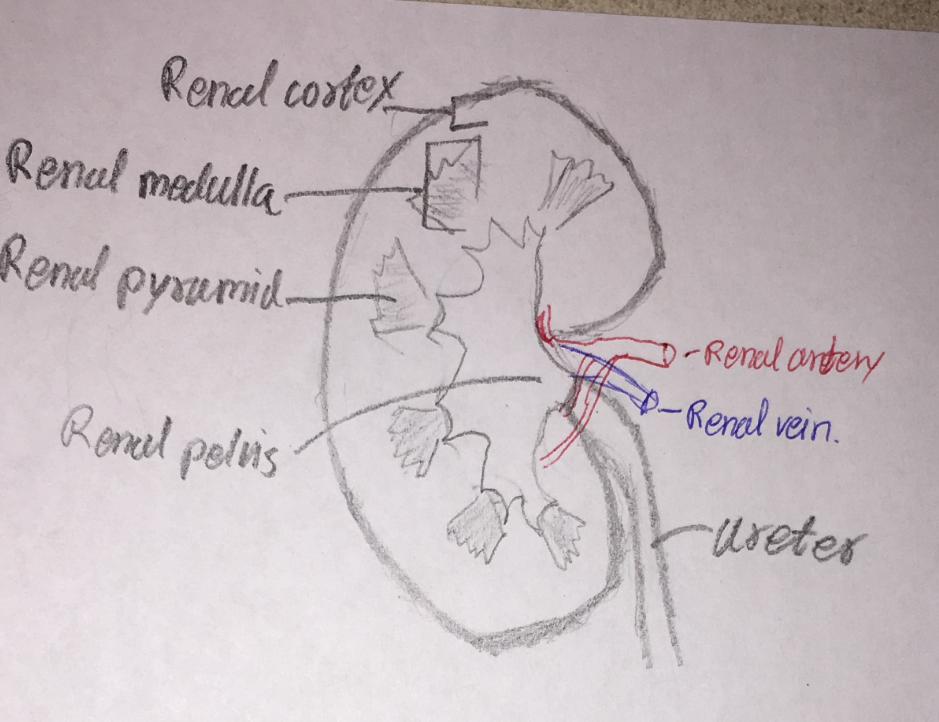
Glycyrrhizin is converted to glycyrrhetinic acid, which inhibits an enzyme called 11-beta-hydroxysteroid dehydrogenase type 2. Normally, that enzyme protects the kidney’s mineralocorticoid receptor from cortisol. When inhibition occurs, cortisol can act more like aldosterone: sodium and water stay, potassium leaves, and blood pressure can climb. Renin and aldosterone then fall because the body senses the expanded volume.
Low potassium may cause fatigue, muscle weakness, cramps, palpitations, or constipation, although symptoms are not reliable enough to screen exposure. Severe cases can produce dangerous rhythms. A normal feeling therefore does not guarantee a harmless effect, especially when licorice is used every day or combined with medicines that already alter potassium or fluid balance.
Some people have less room for error
Extra caution is warranted with hypertension, heart failure, kidney disease, low potassium, or a history of arrhythmia. Diuretics, digoxin, corticosteroids, stimulant laxatives, and some blood pressure medicines can make the situation more complicated. Pregnancy is another reason to avoid casual medicinal intake. A clinician or pharmacist can check the complete combination rather than evaluating licorice in isolation.
Deglycyrrhizinated licorice, often labeled DGL, has most glycyrrhizin removed, so its blood pressure concern is different. Still, verify the actual label and serving. A product name alone does not prove the remaining amount, and DGL evidence for digestive symptoms should not be stretched into a heart-health benefit.
The practical move is label awareness
If you enjoy licorice candy occasionally, first determine whether it contains real licorice and avoid turning it into a daily large serving. Do the same for herbal tea and supplements. People monitoring hypertension can note whether pressure changes after starting or stopping a glycyrrhizin-containing product, but medication changes should remain clinician-led.
Seek prompt care for marked weakness, fainting, a sustained irregular heartbeat, or very high blood pressure. For routine decisions, the simplest rule works: licorice root is an active botanical, not a neutral flavor. Knowing the ingredient and limiting repeated exposure can prevent a surprisingly avoidable blood pressure and potassium problem.
If a clinician suspects licorice-related effects, useful checks may include blood pressure, potassium, kidney function, and a review of renin or aldosterone in selected cases. Do not try to correct suspected low potassium with a supplement before getting advice; kidney function and medications determine whether extra potassium is safe. Removing the source and confirming recovery is more important than guessing at an antidote.