Walnuts and LDL Cholesterol: Useful Food-Trial Evidence Without a Heart-Protection Guarantee
Review randomized walnut trials, LDL changes, calorie substitution, allergy concerns, and why lipid outcomes are not cardiovascular-event proof.
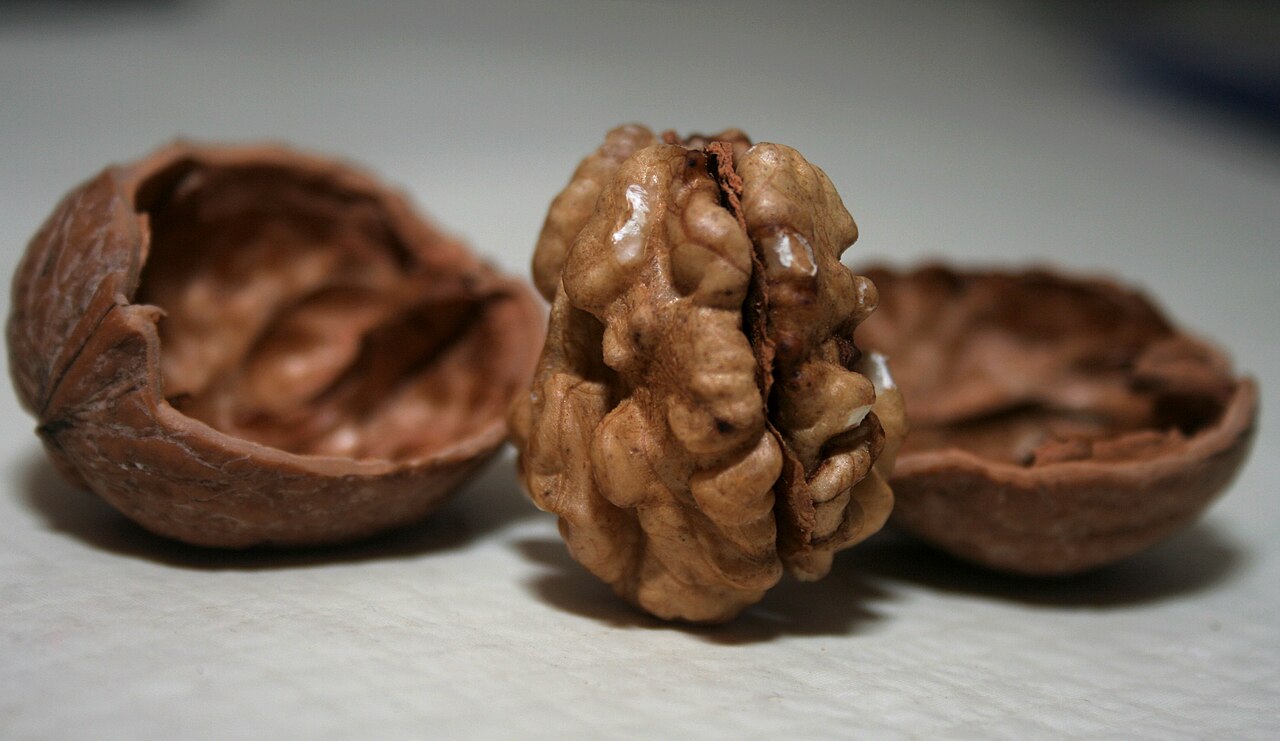
Regular walnut intake can modestly improve LDL-related measures when it replaces other calories, but trials do not establish that unlimited walnuts prevent heart attacks.
Walnuts are a food package
Walnuts provide polyunsaturated fats, alpha-linolenic acid, fiber, minerals, and plant compounds. Their effect depends partly on what they replace. Adding several hundred calories of nuts to an unchanged diet asks a different question from substituting walnuts for refined snacks, butter, cheese, or processed meat.
This replacement principle is easy to lose in marketing. A trial that maintains calories cannot justify telling consumers to add walnuts without adjusting anything else. The nutrient profile may be favorable, but energy balance, allergies, chewing ability, cost, and the rest of the eating pattern still shape practical value.
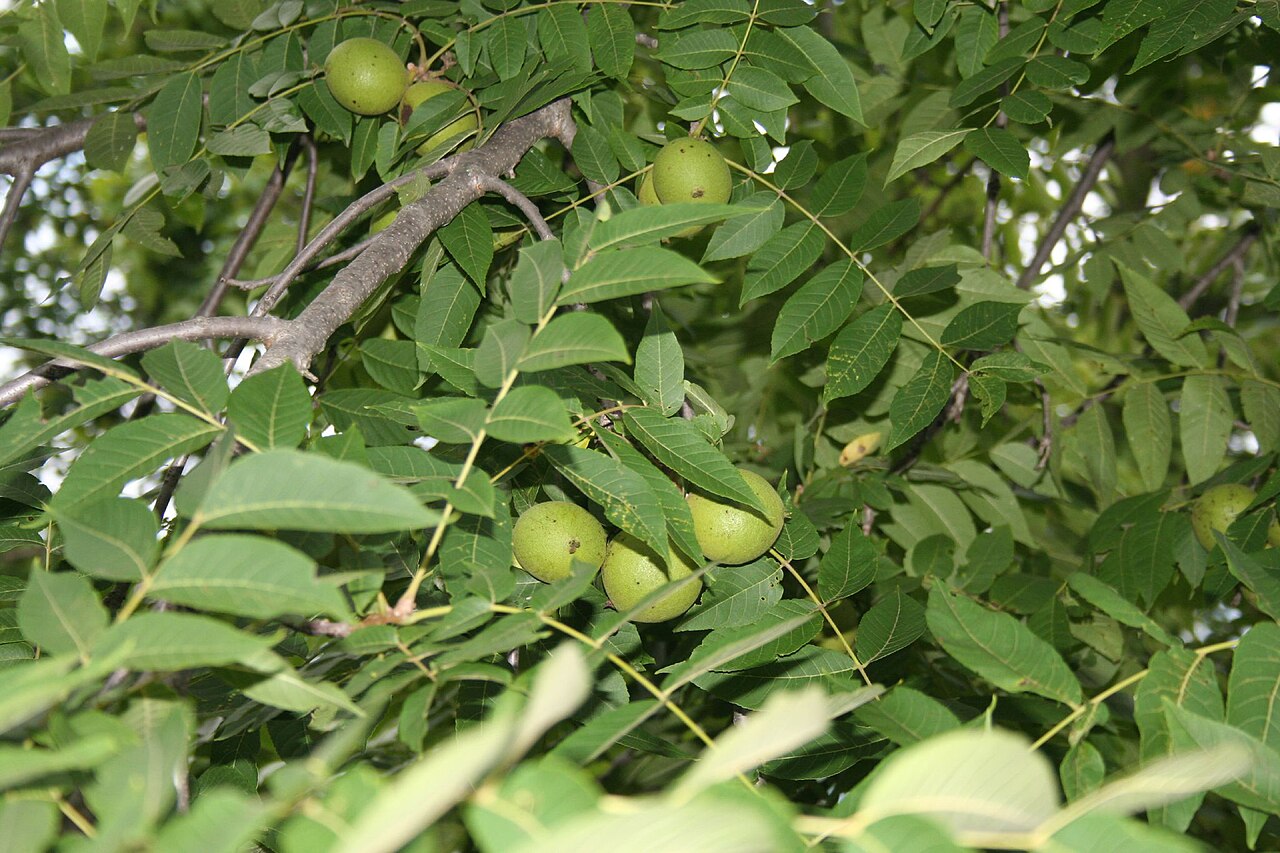
What the WAHA trial measured
The Walnuts and Healthy Aging study randomly assigned adults ages 63 to 79 to a walnut-enriched diet or a walnut-free control diet for two years. The intervention supplied walnuts at roughly 15% of daily energy. Analyses found modest reductions in total and LDL cholesterol and favorable changes in some lipoprotein measures.
WAHA was not designed or powered to prove fewer heart attacks or strokes. Lipoprotein changes are relevant risk markers, but they are not direct event evidence. The participants were older adults in Spain and the United States, and the structured intervention may not match casual use of a handful of nuts.
Shorter crossover research supports a lipid effect
A randomized crossover trial in 194 adults compared a walnut-enriched diet providing 43 grams daily with a nut-free diet. LDL cholesterol, non-HDL cholesterol, triglycerides, and apolipoprotein B were lower during the walnut phase. Timing the walnuts as a meal or snack did not materially change the result.
The trial lasted eight weeks per phase and focused on laboratory outcomes. Its controlled substitution instructions are important: participants reduced other macronutrients to accommodate walnuts. A front-label claim that mentions the LDL finding without the amount, duration, or calorie replacement leaves out the conditions that made the comparison interpretable.
Nuts in PREDIMED were part of a pattern
One PREDIMED arm received mixed nuts while following a Mediterranean diet, and that group had fewer composite cardiovascular events than the control group. The finding does not isolate walnuts. Participants changed a broader pattern, received counseling, and consumed a mixture of walnuts, almonds, and hazelnuts.
It is therefore inaccurate to assign the entire event reduction to one nut or to a walnut-oil capsule. Whole nuts include fiber and food structure that oil lacks. Likewise, a sugary walnut pastry is not equivalent to the trial food simply because walnuts appear in the ingredient list.

Portion and safety questions
About one ounce is a common food portion, though research doses vary. Nuts are calorie-dense, so using them instead of another food is more practical than treating them as a free extra. Sodium, sugar, and added oils differ across flavored products and should be included in comparisons.
Tree-nut allergy can be severe, and cross-contact labeling matters. People with swallowing difficulty may need another form, while those on individualized potassium or phosphorus restrictions should consult their care team. Rancid odor or taste signals poor storage, not a beneficial increase in omega-3 fats.
A measured conclusion
Walnut research supports a modest LDL-related benefit within a controlled diet, particularly when walnuts replace less favorable calories. It does not prove that more is always better, that every walnut product is equivalent, or that cholesterol improvement guarantees fewer events for a particular person.
Use the trial evidence to guide a food substitution, not a treatment promise. People with high LDL or established cardiovascular disease still need risk assessment and proven therapy when indicated. A nutritious food can contribute to care without carrying the entire burden of cardiovascular prevention.
How to read a walnut headline
Check whether the study measured LDL, lipoprotein particles, inflammatory markers, cognitive outcomes, or cardiovascular events. These endpoints cannot be substituted for one another. A biomarker result should remain a biomarker result even when it fits a plausible heart-health story.
Also identify who funded the study and whether walnuts were supplied. Industry funding does not invalidate a trial, but transparent reporting and independent replication improve confidence. The practical question is whether the observed effect persists in ordinary diets without unwanted weight gain.
Sources & further reading
This article provides educational information. Ask a qualified clinician or pharmacist about your symptoms, medical conditions, medicines and supplement interactions.