Selenium Supplements for Heart Disease Prevention: Enough Is Different From More
Review NIH selenium guidance, randomized cardiovascular evidence, SELECT findings, deficiency context, upper limits, and toxicity signs.
Selenium is essential, but trials do not support supplements for cardiovascular prevention in selenium-replete adults, and excess intake can cause toxicity.
Essential does not mean more is protective
Selenium is incorporated into selenoproteins involved in antioxidant defense, thyroid-hormone metabolism, and other functions. Low status can be harmful, which makes a prevention claim sound plausible. Yet nutrient biology often follows a curve: correcting deficiency can help while adding more after adequacy may provide no benefit or create harm.
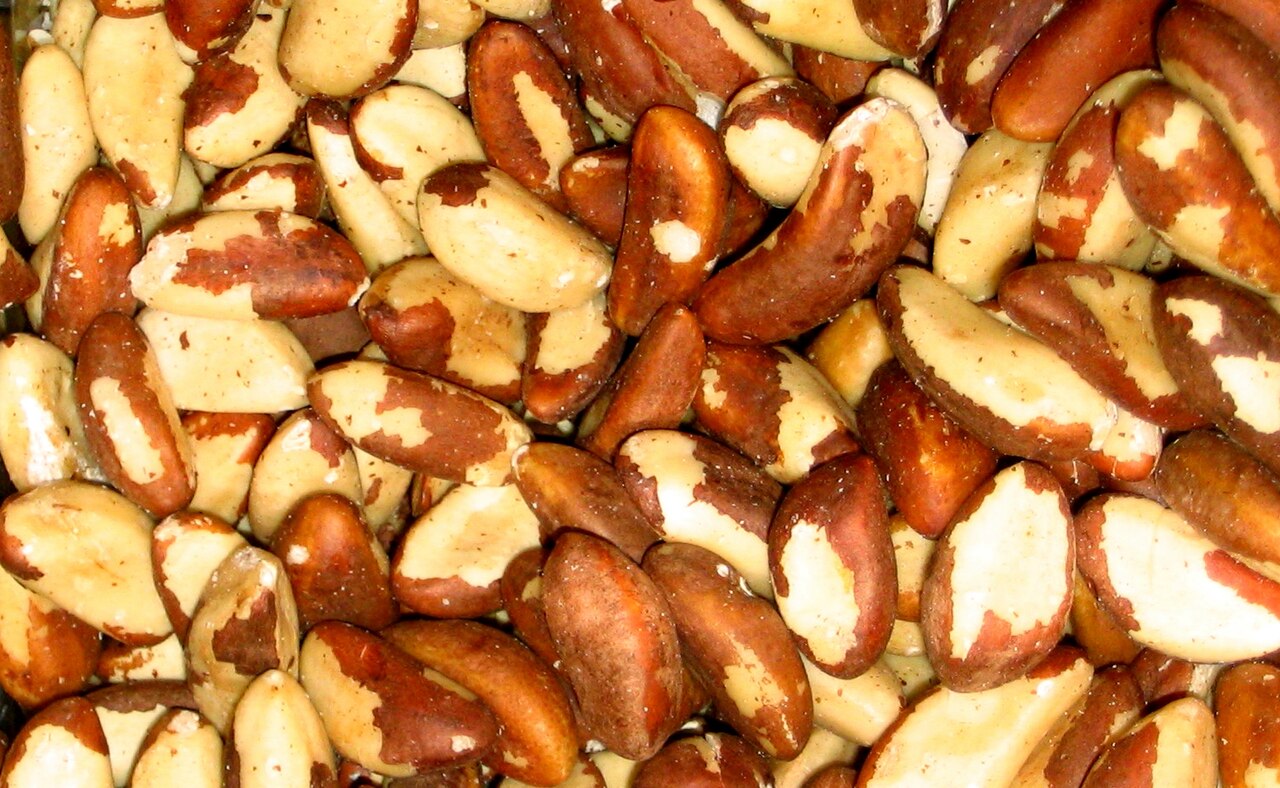
Selenium content in foods varies with soil and feed. Brazil nuts can contain especially high and variable amounts, while seafood, meats, eggs, dairy, and grains contribute to intake. A supplement decision should begin with nutritional context rather than an assumption that antioxidant activity guarantees heart protection.

Randomized evidence is neutral for cardiovascular prevention
A Cochrane review identified 12 randomized trials with 19,715 participants. Selenium supplementation did not significantly reduce cardiovascular mortality, nonfatal events, or total cardiovascular events. The two largest studies contributing clinical outcomes were conducted in generally well-nourished U.S. populations.
A secondary analysis of the Nutritional Prevention of Cancer Trial also found no significant reduction in cardiovascular incidence or mortality with 200 micrograms daily. Confidence intervals allowed uncertainty, but the point estimates did not suggest a dependable prevention benefit.
SELECT adds evidence in selenium-replete men
SELECT tested 200 micrograms of selenium daily, vitamin E, both, or placebo in men primarily for prostate-cancer prevention. Cardiovascular outcomes were secondary, and selenium did not reduce cardiovascular events over long follow-up. The population was generally well nourished, which is relevant to many U.S. supplement users.
A neutral result in selenium-replete adults does not answer every question about severe deficiency or populations with low soil exposure. It does directly challenge routine use by people who already meet requirements. Baseline status is central when interpreting a nutrient trial.
Small lipid changes are not event proof
Some short trials reported modest changes in total or non-HDL cholesterol at selected selenium doses. NIH’s Office of Dietary Supplements notes that the clinical significance is unclear. A laboratory shift should not be used to override neutral cardiovascular-event results.
Combination antioxidant formulas create another interpretation problem. If a multi-ingredient product changes an outcome, the result cannot be assigned to selenium alone. It also cannot validate every formula with different doses and ingredients.
Upper limits and toxicity
The adult tolerable upper intake level in the United States is 400 micrograms daily from all sources. Chronic excess can cause hair and nail brittleness or loss, garlic-like breath, metallic taste, skin rash, nausea, diarrhea, fatigue, irritability, and nervous-system abnormalities.
A few Brazil nuts plus a multivitamin and standalone selenium can produce unexpectedly high intake because nut content varies. Supplements should list the chemical form and micrograms per serving. More precise-looking numbers do not eliminate biological variability.
Who might need assessment
People receiving kidney dialysis, living with certain malabsorption conditions, or consuming specialized diets may have different selenium concerns, but routine testing is not necessary for everyone. Thyroid disease does not automatically justify supplementation, and treatment claims require condition-specific evidence.
The evidence supports meeting selenium needs without chasing high antioxidant doses. Review all products, avoid stacking, and seek clinical advice when deficiency or toxicity is suspected. Cardiovascular prevention should rely on interventions with demonstrated outcomes rather than an essential-nutrient narrative alone.
The antioxidant shortcut failed before
Oxidative stress participates in cardiovascular disease, but that does not mean every antioxidant supplement improves outcomes. Antioxidants can act differently by dose, chemical form, tissue, and baseline status. Redox biology is a regulated system rather than a bucket that more supplement can simply fill.
Observational associations with selenium may reflect diet quality, geography, smoking, illness, or socioeconomic factors. Randomization is especially valuable because it tests the supplement itself. When large trials are neutral in replete adults, mechanism and association should not be promoted above the direct experiment. This is why nutrient trials must be interpreted by starting status. A result in deficient participants cannot be assumed for replete users, and a neutral trial in replete adults does not deny the importance of correcting a true deficiency. Geographic differences in food selenium also make imported dose recommendations unreliable without local nutritional context.
Sources & further reading
This article provides educational information. Ask a qualified clinician or pharmacist about your symptoms, medical conditions, medicines and supplement interactions.