Vitamin E Supplements for Heart Disease Prevention: Antioxidant Logic Versus Trial Outcomes
Why antioxidant mechanisms and observational studies did not translate into cardiovascular prevention in major vitamin E trials.
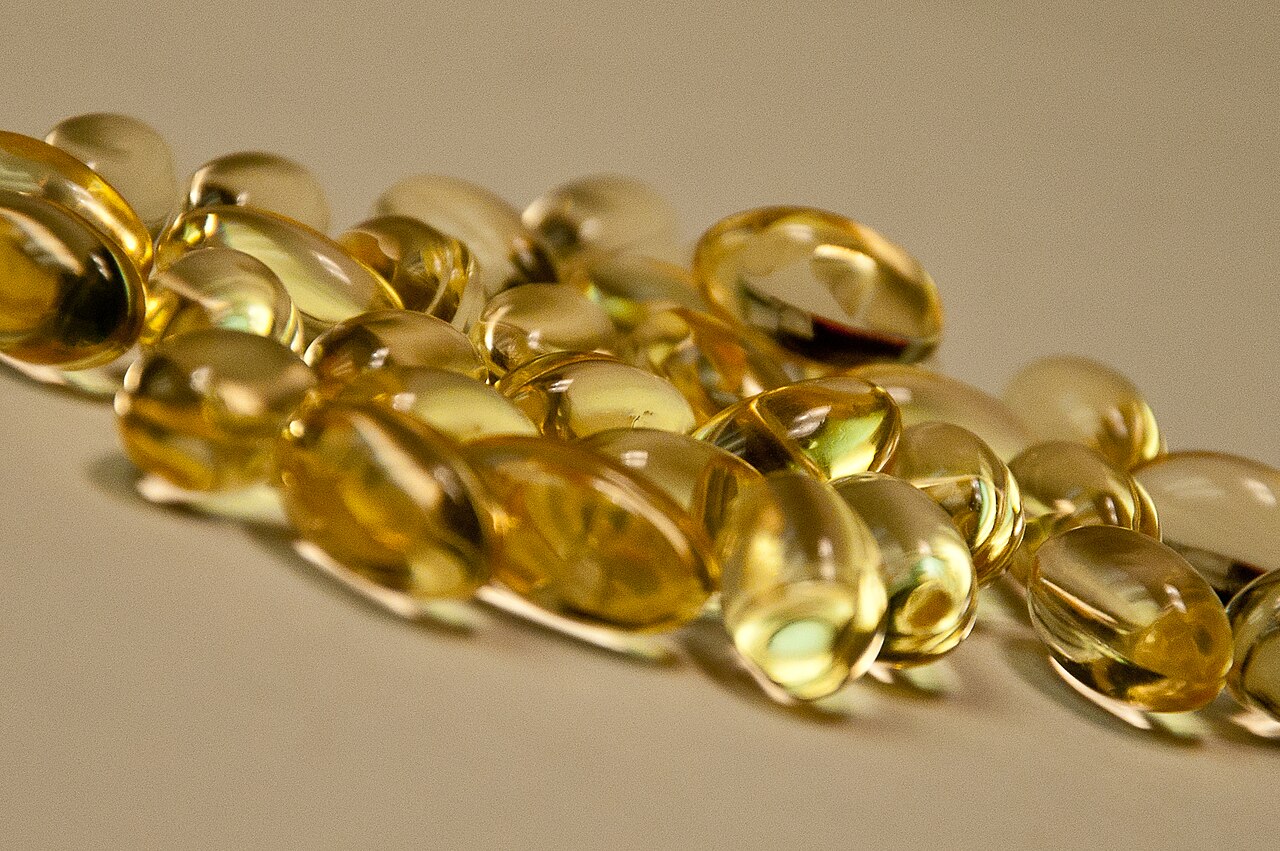
Major randomized trials do not support routine vitamin E supplements for cardiovascular prevention, and some found potential harms at supplemental doses.
Antioxidant biology created a compelling hypothesis
Vitamin E helps protect cell membranes from oxidative damage, and laboratory work suggested that limiting LDL oxidation might slow atherosclerosis. Observational studies also linked higher vitamin E intake with lower heart-disease risk. These clues justified clinical trials, but they could not prove that a high-dose supplement would prevent events.
People who consume vitamin E-rich diets may differ in many ways from people who do not, including food patterns, activity, smoking, and access to care. Randomization helps separate the supplement’s effect from those characteristics. It is therefore possible for a plausible mechanism and favorable observational association to fail in a controlled outcomes trial.

HOPE and HOPE-TOO did not show protection
The HOPE trial assigned adults at high cardiovascular risk to 400 IU of natural-source vitamin E daily or placebo. Vitamin E did not significantly reduce cardiovascular death, myocardial infarction, or stroke. Extended follow-up in HOPE-TOO still found no significant protection against major cardiovascular outcomes or mortality.
HOPE-TOO reported an unexpected increase in heart failure and heart-failure hospitalization with vitamin E. That signal was not the original rationale for the trial and has not appeared uniformly across all studies, but it matters when evaluating net benefit. A supplement intended for prevention should not be judged solely by whether the proposed mechanism sounds harmless.
Physicians’ Health Study II added another neutral result
Physicians’ Health Study II randomized nearly 15,000 male physicians age 50 or older to vitamin E, vitamin C, both, or placebo. Over about eight years, vitamin E did not reduce major cardiovascular events, myocardial infarction, stroke, or cardiovascular mortality. It was associated with an increased risk of hemorrhagic stroke.
The participants were male physicians, so the trial does not represent every population. However, its scale, duration, and randomized design add substantial evidence against routine supplementation for broad cardiovascular prevention. A small favorable subgroup from another trial should not override the consistent neutral primary results of large studies without confirmation.
Food sources and pills answer different questions
Nuts, seeds, and vegetable oils contribute vitamin E along with unsaturated fats and other nutrients. Evidence about dietary patterns cannot be assigned to alpha-tocopherol capsules alone. Meeting the recommended intake through food is also different from taking hundreds of international units in a supplement, where the dose and chemical form may differ substantially.
NIH’s Office of Dietary Supplements notes that high-dose vitamin E can increase bleeding risk and interact with anticoagulant or antiplatelet medicines. The upper limit is not a target, and a product below it is not automatically beneficial. Multivitamins, single-nutrient capsules, and fortified foods can all contribute to total intake.

Who should discuss supplementation
True vitamin E deficiency is uncommon in healthy people and is usually related to disorders of fat absorption or rare genetic conditions. Treatment of a diagnosed deficiency is a clinical question, not a cardiovascular prevention strategy. People receiving chemotherapy or radiation, preparing for surgery, or using blood-thinning medicines should disclose vitamin E supplements.
The evidence-based message is narrow but clear: routine high-dose vitamin E has not prevented cardiovascular disease in major trials. That conclusion does not make vitamin E unnecessary as a nutrient. It keeps nutritional adequacy, deficiency treatment, and disease-prevention claims in their proper lanes so consumers are not sold a pharmacologic dose on the strength of food-based associations.
Form and units can confuse shoppers
Vitamin E labels may use milligrams, international units, natural-source d-alpha-tocopherol, or synthetic dl-alpha-tocopherol. These forms do not convert one-for-one, so comparing only the largest number can be misleading. The current Daily Value is expressed in milligrams of alpha-tocopherol.
A mixed-tocopherol product is also not automatically superior because it sounds broader. Clinical benefit must be demonstrated, not inferred from a more complex ingredient list. When a trial used one form and dose, sellers should not generalize its findings to a chemically different blend. Form matters. So do duration, baseline risk, other antioxidant use, and whether the endpoint was a laboratory measure or a cardiovascular event experienced by participants.
Sources & further reading
This article provides educational information. Ask a qualified clinician or pharmacist about your symptoms, medical conditions, medicines and supplement interactions.