Taurine and Blood Pressure: Promising Trials, but Not a Do-It-Yourself Treatment
Taurine lowered blood pressure in small clinical trials, but doses, populations, and long-term outcomes limit what supplement users can conclude.
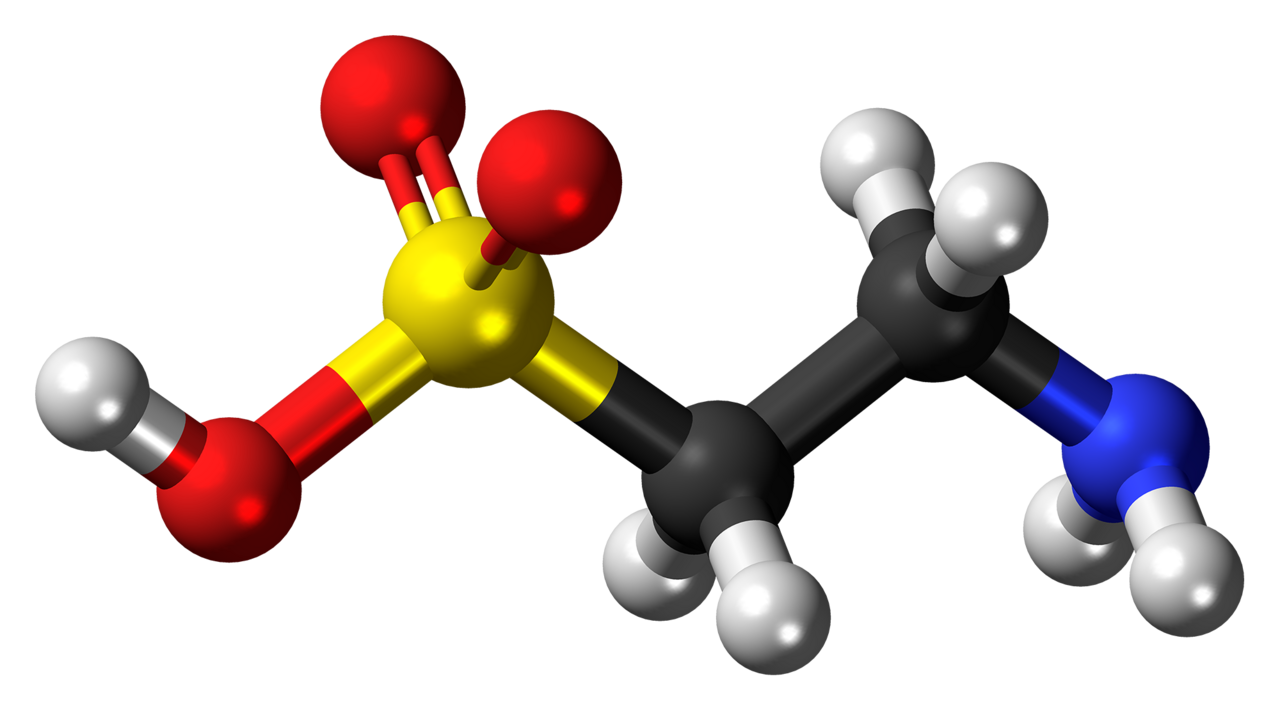
Taurine has produced encouraging blood pressure and vascular signals in several controlled trials, but it has not been proven to prevent heart attacks or replace hypertension treatment.
Taurine is not the stimulant in an energy drink
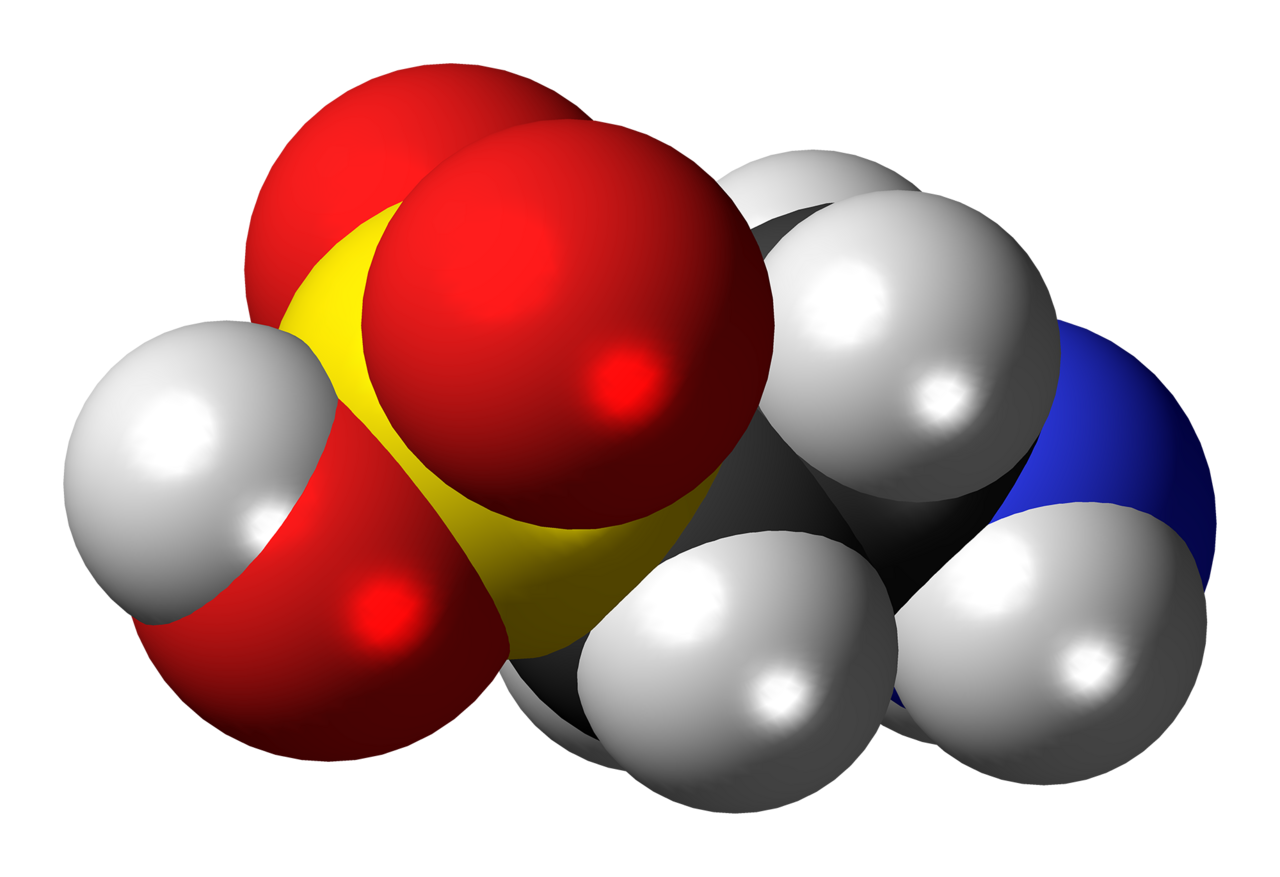
Taurine often appears next to caffeine on an energy-drink label, which gives it a stimulant reputation it does not deserve. It is an amino sulfonic acid found throughout the body, including the heart, brain, and muscle. Human trials have studied purified taurine by itself, so their findings cannot be assigned to a multi-ingredient drink with caffeine and sugar.
The appealing question is whether taurine can support vessel relaxation and lower pressure. The harder question is whether that small physiological effect leads to better long-term cardiovascular outcomes. Current evidence is much stronger for the first question than the second. No taurine trial has established it as a substitute for standard hypertension care.
A well-known trial found meaningful short-term reductions
A 2016 double-blind trial randomly assigned 120 people with prehypertension to 1.6 grams taurine daily or placebo for 12 weeks. Clinic and 24-hour ambulatory pressure fell more in the taurine group, and tests of vessel dilation improved. The researchers also reported higher hydrogen-sulfide signaling, offering a plausible mechanism for relaxed blood vessels.
The study was encouraging, but it was conducted in a specific population over three months. Baseline diet, genetics, medication use, and blood pressure stage can change results. A fall in a controlled trial average does not mean every user experiences the same change, and a biomarker mechanism does not prove fewer strokes or heart attacks.
Newer research adds support without closing the case
A newer randomized, double-blind trial in adults with type 2 diabetes also reported improved blood pressure and vascular measures with taurine compared with placebo. That strengthens the idea that taurine has measurable vascular activity. It does not make the evidence universal: diabetes changes vascular biology, and the study still evaluated intermediate outcomes rather than cardiovascular events.
An older placebo-controlled experiment in 19 young patients with borderline hypertension found lower pressure after seven days of high-dose taurine. Its size and brief duration limit confidence, but the direction aligns with later work. Across studies, the signal is worth researching further while remaining too narrow for a treatment promise.
Dose and product context matter
Trial doses are defined amounts of purified taurine. Energy-drink labels may list taurine inside a blend, and a supplement can vary by serving or testing quality. More is not automatically better. Taurine may affect blood pressure, so combining it with antihypertensive medicines could increase dizziness or lightheadedness in some people, especially with dehydration or rapid position changes.
Kidney disease, pregnancy, complex medication regimens, and very low baseline pressure are reasons to ask a clinician before experimenting. Taurine is also not a first response to severe hypertension. Very high readings with chest pain, neurologic symptoms, shortness of breath, or severe headache require urgent evaluation, not an over-the-counter workaround.
Start with what has proven outcome benefits
For high blood pressure, prioritize accurate home readings, prescribed therapy when needed, lower sodium, a DASH-style eating pattern, physical activity, sleep, and weight management where relevant. Those steps have broader evidence than taurine alone. A supplement discussion can come afterward, with a clear dose, reputable product, and a plan to monitor pressure rather than guessing from how someone feels.
If you and a clinician decide to try taurine, change one variable at a time and record several seated readings under consistent conditions. Stop for troublesome dizziness or other adverse effects. The fair conclusion is hopeful but bounded: taurine is a legitimate research lead with human trial data, not a proven cardiovascular prevention strategy.
Use an upper-arm cuff that fits correctly, sit quietly for five minutes, and take repeated readings rather than chasing a single low number. Bring the log and the supplement bottle to the next visit. If pressure improves, that still does not establish taurine as the cause without a controlled comparison, but it gives the clinician safer information for deciding whether the experiment should continue.
Sources & further reading
- Taurine Supplementation Lowers Blood Pressure and Improves Vascular Function in Prehypertension: Randomized, Double-Blind, Placebo-Controlled Study ↗
- Taurine ameliorates blood pressure and vascular function in patients with type 2 diabetes: Randomized, double-blind, placebo-controlled trial ↗
- Effects of increased adrenomedullary activity and taurine in young patients with borderline hypertension ↗