Vitamin K and Warfarin: Consistency Matters More Than Avoiding Greens
People taking warfarin usually do not need to ban leafy greens. Learn why steady vitamin K intake and INR monitoring matter more than avoidance.
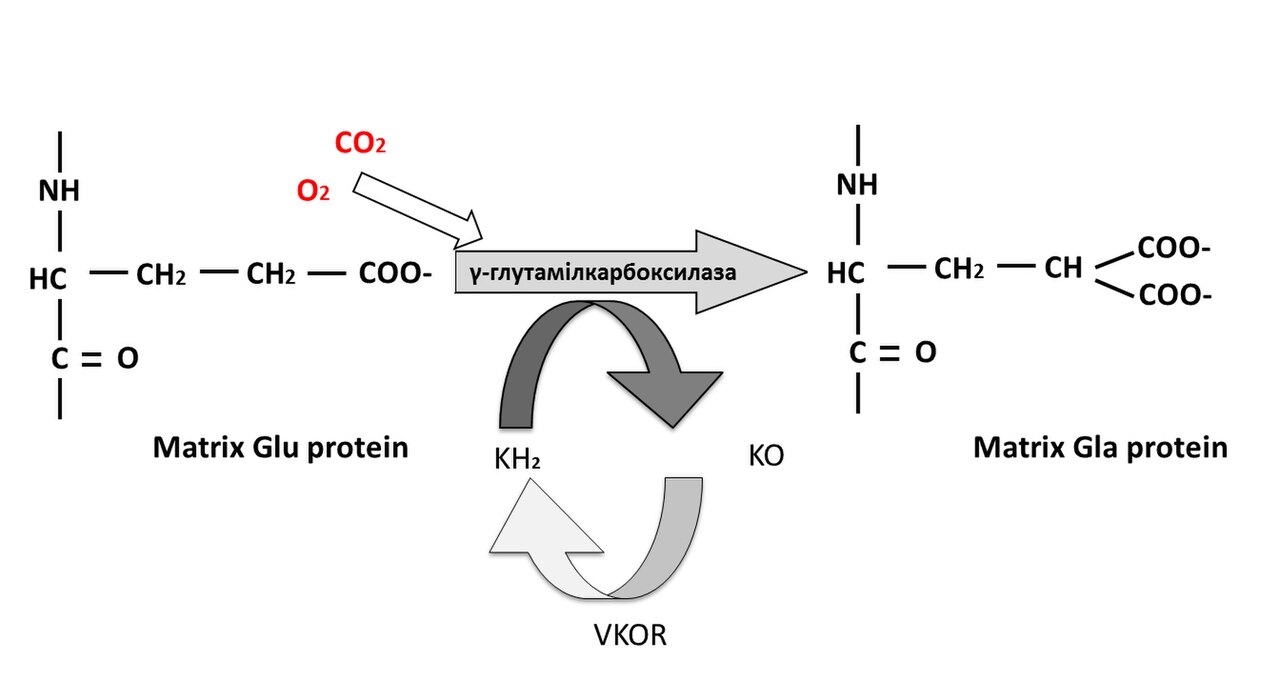
Warfarin dosing works best with a reasonably consistent vitamin K pattern; sudden changes in greens or supplements can move the INR in either direction.
Greens are not automatically off the menu
A warfarin prescription can make spinach, kale, and broccoli feel forbidden. That is usually the wrong lesson. Vitamin K helps activate clotting proteins, while warfarin interferes with vitamin K recycling. The goal is not zero vitamin K; it is a stable eating pattern that allows the warfarin dose and INR target to be matched to real life.
A sudden jump in vitamin K intake can lower the INR and reduce warfarin’s effect. A sudden drop can raise the INR and increase bleeding risk. Both directions matter. Consistency does not require eating the exact same food every day, but it does mean avoiding abrupt swings, cleanse-style diets, or new concentrated supplements without involving the anticoagulation team.
Small trials tested a counterintuitive idea
In a double-blind trial of 70 warfarin-treated patients with unstable control, 150 micrograms of vitamin K daily improved INR stability more than placebo. The likely explanation was not that extra vitamin K strengthened warfarin. A fixed small dose may have reduced the percentage variation caused by an inconsistent low intake, making the system more predictable.
A separate 200-person trial using the vitamin K antagonist phenprocoumon found a modest improvement in anticoagulation stability with 100 micrograms vitamin K daily. These studies do not justify self-starting vitamin K. They show that clinician-supervised consistency can be useful in selected unstable patients, with INR monitoring and dose adjustment built into the plan.
Food vitamin K and supplements are different decisions
Leafy greens supply vitamin K1 along with fiber, folate, potassium, and other nutrients. Removing them can make the overall diet worse. A supplement delivers a concentrated amount, sometimes as vitamin K1 or K2, and multivitamins may change formulas. Nutrition shakes, green powders, and meal replacements can also add a repeatable—or suddenly changed—dose.
Read labels for vitamin K, phylloquinone, menaquinone, MK-7, and MK-4. The exact interaction and monitoring plan belongs with the anticoagulation clinician, not a supplement salesperson. If a daily multivitamin is already part of a stable routine, do not stop it abruptly without reporting the change; stopping can matter just as much as starting.
Illness and medicines can move the INR too
Vitamin K is only one source of INR variability. Antibiotics, amiodarone, antifungals, alcohol changes, diarrhea, poor appetite, liver illness, and many other factors can alter warfarin response. Herbal products may add bleeding effects or change metabolism even when they contain no vitamin K. A complete medication and supplement list is therefore more useful than focusing on salad alone.
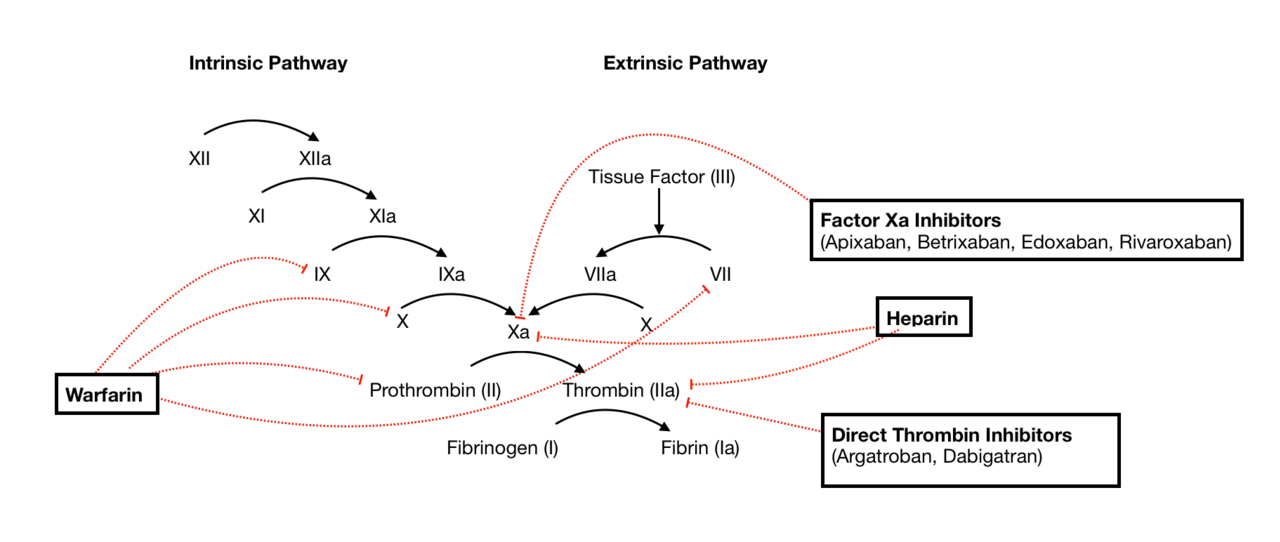
Direct oral anticoagulants such as apixaban and rivaroxaban work differently and do not have the same vitamin K food interaction, but they have their own dosing, kidney, and interaction rules. Never switch anticoagulants to simplify a diet without a prescriber. The reason for anticoagulation, valve status, kidney function, cost, and adherence all affect the choice.
Build a pattern your INR team can dose around
Choose a realistic weekly pattern for greens and keep portions in the same general range. Tell the clinic before a major diet change, weight-loss program, supplement, nutrition drink, or prolonged illness. Follow the monitoring schedule, and ask whether an earlier INR check is needed after a meaningful change. That is more protective than trying to memorize a forbidden-food list.
Seek urgent help for serious bleeding, black stools, vomiting blood, severe headache after a fall, sudden weakness, or trouble speaking. For everyday management, the message is calmer: nutritious vegetables can fit. Warfarin care works best when the dose is adjusted to a consistent life—not when a healthy food group disappears out of fear.
Keep the anticoagulation clinic’s contact information easy to find and report missed or extra doses honestly. Never double a dose unless the prescriber gives that instruction. A food diary can help when the INR becomes unexpectedly unstable, but it should record supplements, alcohol, illness, and medication changes too. The pattern, not a single spinach serving, is what makes the investigation useful.