Yohimbe Supplements for Male Enhancement: Label Accuracy and Blood Pressure Risks
Yohimbe supplements can contain unpredictable yohimbine amounts and affect blood pressure, heart rate, and anxiety. Learn how to read the risk.

Yohimbe bark supplements are not equivalent to prescription-standardized yohimbine; variable alkaloid content and cardiovascular effects make self-treatment risky.
A bark extract and a measured drug are not the same thing
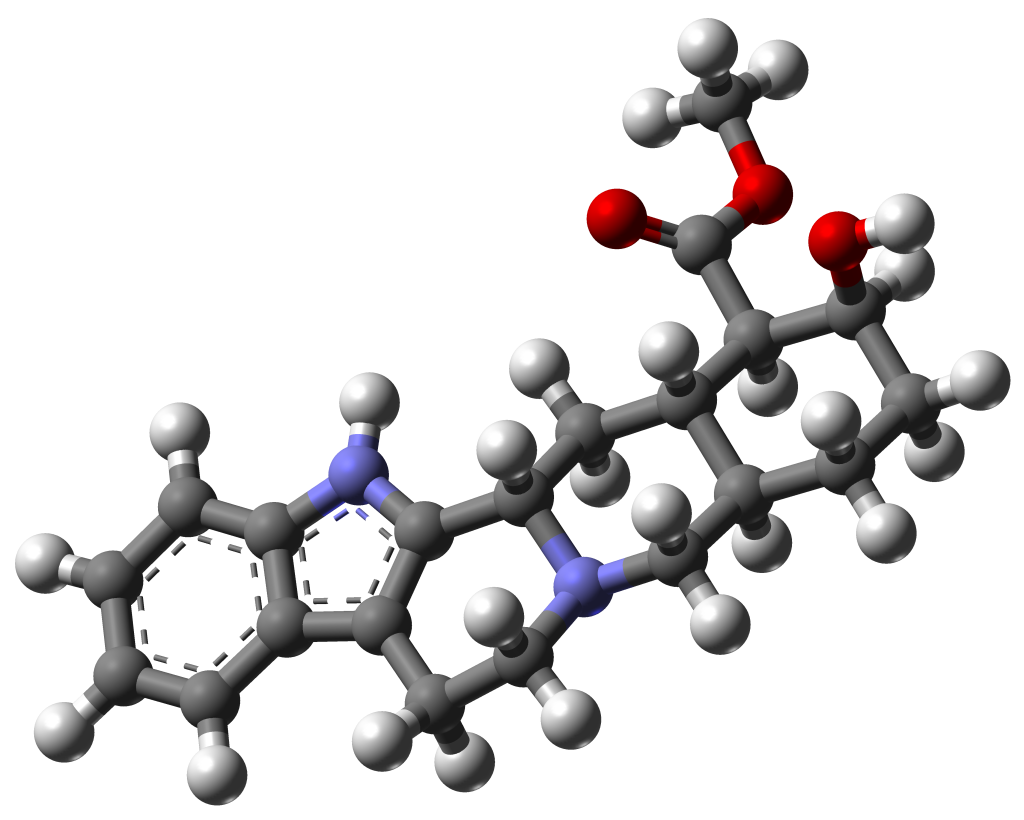
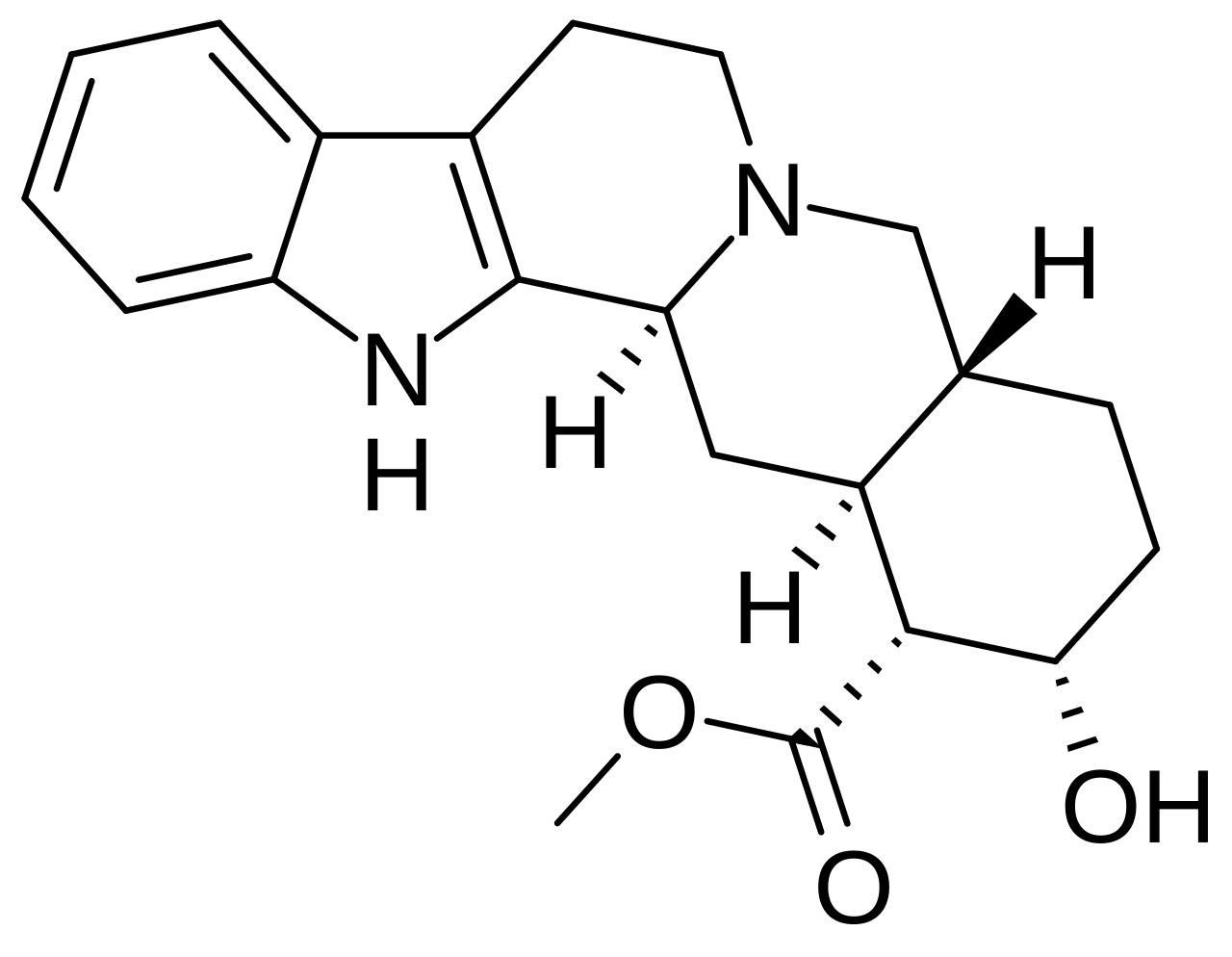
Yohimbe comes from the bark of Corynanthe johimbe and contains yohimbine plus related alkaloids. Purified yohimbine hydrochloride was studied as a drug at defined doses. A botanical supplement may provide an extract, bark powder, or a proprietary blend with uncertain alkaloid content. That difference is central to both effectiveness and safety.
Yohimbine blocks alpha-2 adrenergic receptors, increasing sympathetic nervous system activity. That mechanism can raise heart rate and blood pressure and may cause sweating, tremor, headache, nausea, agitation, or anxiety. In a person using stimulants or carrying cardiovascular risk, the same mechanism marketed as energy can become the reason the product is a poor fit.
A label-analysis study found large variation
Researchers tested 49 yohimbe supplements sold in the United States. The amount of yohimbine varied widely, and only 11 labels listed a specific quantity. Some products delivered pharmacologically substantial amounts, while most labels did not provide the information needed to compare exposure with a clinical trial. Many also lacked adequate adverse-effect information.
This was a market analysis, not an outcomes trial, but it answers an important practical question: can the buyer reliably know the dose? Often, the answer was no. A proprietary blend makes that problem harder because total blend weight does not reveal yohimbine content. Third-party testing may improve confidence in identity, but it does not make the ingredient appropriate for every user.
Older ED trials do not validate today’s supplements
A double-blind placebo-controlled trial in 86 men with nonorganic erectile dysfunction found a higher response rate with 30 mg daily purified yohimbine hydrochloride over eight weeks. Participants were selected and monitored, and the study used a measured pharmaceutical preparation. It does not prove that an unstandardized bark supplement will deliver the same dose, effect, or safety profile.
ED treatment has also changed since that 1997 trial. Prescription phosphodiesterase-5 inhibitors have far more extensive evidence and established dosing, contraindications, and quality controls. Yohimbine is not a substitute for cardiovascular screening, diabetes care, medication review, or evaluation of persistent erectile dysfunction.
Several combinations increase the downside
Yohimbe deserves particular caution with hypertension, arrhythmia, coronary disease, kidney disease, anxiety or panic disorder, bipolar disorder, and pregnancy. Stimulants, decongestants, large caffeine doses, ADHD medicines, and some antidepressants can add to sympathetic effects or interactions. A pharmacist can review the complete list more accurately than a warning copied from one bottle.
Seek urgent care for chest pain, fainting, severe headache with very high pressure, or a sustained rapid or irregular heartbeat. Poison-control consultation is appropriate after an uncertain or excessive dose. Because product content can be variable, waiting for symptoms to prove the amount was too high is not a sound safety strategy.
Choose transparency over a dramatic promise
For any male-enhancement supplement, look for exact ingredient amounts, a clear manufacturer, lot information, testing, and realistic claims. Avoid products implying guaranteed erections, enlargement, or drug-like speed. FDA warnings about tainted sexual-enhancement products are another reason to avoid mystery blends, although absence from a warning list is not proof that a product is safe or effective.
Persistent ED belongs in a medical conversation because vascular disease, diabetes, medication effects, hormones, and mental health can contribute. The practical yohimbe conclusion is straightforward: a plausible mechanism and an old purified-drug trial do not solve modern supplement variability. When dose transparency is missing, the cardiovascular uncertainty is part of the product—not a minor labeling detail.
Report adverse effects through FDA MedWatch and keep the package, lot number, and receipt if a product causes a concerning reaction. Those details can help identify a contaminated or mislabeled batch. A marketing page may disappear, but a preserved label documents what was promised. For future purchases, independent certification is useful for identity and contamination checks, not proof of sexual-health effectiveness.
If the goal is better erections, improving sleep, exercise, smoking status, diabetes control, and blood pressure can support both sexual and cardiovascular health. Those changes are slower than a stimulant promise, but they address causes that a variable bark extract cannot diagnose or repair.